By Brian Marckx, CFA
OTC:LEDIF
TSX:LMD.V
Q2 2015 Financial Results: Revenue Ramp, Stable OpEx Getting Co Closer to Goal of Positive Cash Flow
LED Medical (TSX:LMD.V) (OTC:LEDIF) reported financial results for the second quarter ending June 30. Revenue was about 6% better than our estimate despite our upward revision following the company’s revenue preannouncement in July which prompted our upward revision from $2.7M to $3.1M. Q2 sales actually came in at $3.3M, up 106% yoy. LED also beat on OpEx which came in about 8% lower than our estimate. The ramping top-line and stabilizing operating expense levels are resulting in much greater operating leverage and illustrating scalability in the business model that were not as apparent in earlier periods. The numbers are reflecting management’s goal of diversifying and growing revenue through additional product introductions as well as a more determined focus to control expenses – the latter despite building a larger and more productive sales force.
And the company continues to build on its operating milestones, including recently launching new products and entering into new distribution agreements, building a one-stop solution for practices to convert from film to digital imaging, working to further expand their already vast VELscope customer base and footprint and a bigger push towards awareness building (including a full schedule of exhibitions at trade shows and other industry events).
Q2 revenue was $3.3M, up 106% yoy and 34% better than Q1 2015. LED noted that the growth was driven by expansion of their digital imaging product portfolio as well as consistent VELscope and related consumables sales. We continue to look for a steepening of revenue in the back half of the current year and are maintaining our $15.3M full revenue forecast. The company continues to hope to hit their previously issued revenue guidance of $15M - $16M in 2015.
As we noted recently, substantial growth is not the only major positive as it relates to the top-line. The other is that the sources of revenue are now much more diversified since the disaggregation of the company’s distribution network and related build-out of their own sales force. This is illustrated by just 14% of revenue coming from customers representing 10% of more of sales in Q2, down from 67% in the prior year comparable period. Through the first six months 13% of revenue was represented by this 10%+ revenue demographic, down from 65% in the first six months of 2014. Diversification of the customer base is meaningful as it significantly reduces reliance on just a few major customers and has the potential to smooth revenue volatility, particularly over the longer term.
Q2 gross margin and OpEx were 31% and $2.3M, both coming in better than our 30% and $2.5M respective estimates. These compare to $2.2M in OpEx and GM of 26% in Q1 of this year. One of the company’s main objectives is to “optimize the cost structure to position for future positive cash flow”. With OpEx remaining fairly stable over the last five quarters, revenue ramping and gross margin holding just about steady (since late 2014), LED is now seeing the fruits of their labors turn into an improving bottom line. Operating loss improved from $1.6M in Q1 to $1.2M in Q2. We model further improvement in operating loss/income for the foreseeable future, which is based on the company continuing to deliver on milestones.
We are maintaining our $2.00/share price target and Buy recommendation.
Operational Progress Continues….
Per our recent update, on the operational front LED continues to be aggressive in exploring opportunities to grow both the VELscope and dental imaging business lines and has recently made more progress in both areas.
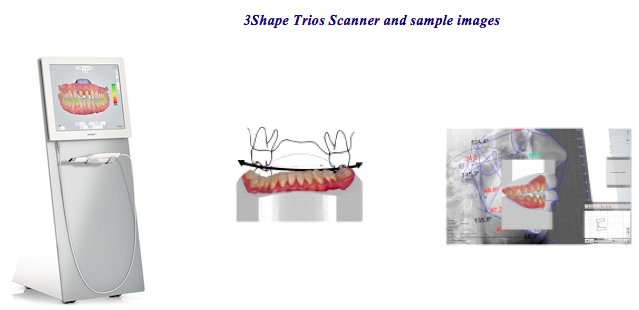
Recent operational highlights include another addition to LED's growing digital imaging product portfolio and integration capability of VELscope with Apple iPOD touch. In mid-June the company announced that they will begin distribution of 3Shape's 3D intraoral digital impression and desktop scanner to the orthodontic market. The TRIOS 3 digital impressioning system further beefs up the company's burgeoning digital imaging product portfolio and provides more headway towards exploiting the high potential opportunity in the orthodontics space which has seen growing demand for higher quality imaging.
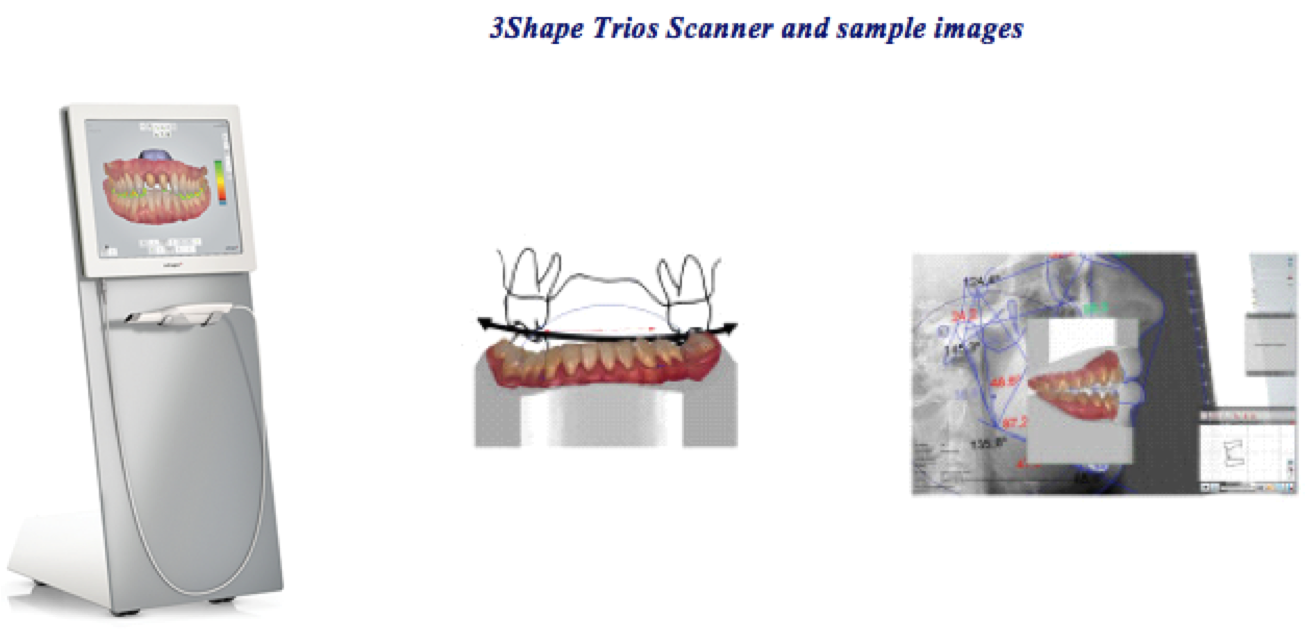
This follows launch of LED Imaging Cloud, a new cloud-based imaging solution which the company unveiled at CDA Presents in Anaheim in late April/early May. LED Cloud works with both 2D and 3D applications, allows for syncing of data between workstations as well as between practices and is a seamless fit for LED’s imaging software which the company launched in the Spring of 2014.
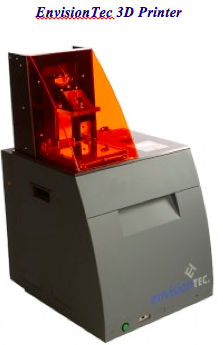
The company’s latest announced digital imaging-related offering was made in early August. LED penned an agreement with EnvisionTec to distribute that company’s EnvisionTec 3D printers. The printers are used by dental and orthodontic practitioners and laboratories to make a variety of implants, materials and tools including crowns, bridges, models, surgical guides and other dental and orthodontic products. The addition of a 3D printer to LED’s product portfolio further enhances their ability to be a one-stop shop for dental imaging and related products and a full-product provider for practices converting from film to digital imaging. And with 3D being one the fastest growing segments in dental and orthodontics, their burgeoning product portfolio continues to strengthen their position to leverage one of the most attractive areas in the industry.
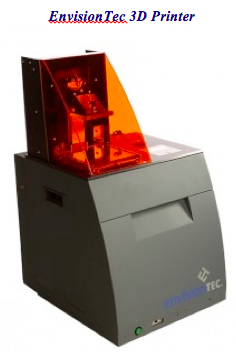
LED also recently launched the RIOSensor Intraoral Radiography System. They also entered into a potentially significant partnership with OrthoSynetics which puts them in front of 350 or more orthodontic practices that utilize OrthoSynetics for administrative and other support services. This deal, which provides OrthoSynetics clients with preferred pricing of LED’s dental imaging products, could have the effect of further steepening the revenue curve but, perhaps just as important, providing greater awareness and validation of Ray Co’s product line and result in even broader industry-wide adoption of their products over the long-term.
And relative to VELscope, LED has recently begun looking at more “outside-of-the-box” ways to expand adoption and the user base. This has most recently included partnering with the Oral Cancer Foundation in that organization’s recent initiative to promote more oral cancer screening. Under this relationship, LED will provide a VELscope free of charge to dental practices that agree to perform at least three daily oral screenings over three years. While LED will provide the instrument at no cost, they will charge the practices for the single-use consumable (i.e. disposable caps), which is where most of the margin is. While LED recently made significant changes by bringing on the digital imagining portfolio, VELscope remains an important piece of their growth strategy. The device continues to be recognized as tops in the industry and for the fifth straight year received the “Best of Class” technology award from Pride Institute.
LED also recently partnered with London Drugs, a pharmacy chain in Canada, in a 3-day pilot program held last week whereby London Drug customers were offered free oral cancer screenings with VELscope by dentists at twelve of the pharmacy locations. Depending on the success of the pilot program, LED and London Drugs will consider rolling it out further which would be offered at little or no cost. And while if expanded it will likely not be a financial contributor to LED, it has the potential to increase awareness and possibly drive further adoption at the dental practice level.
While these types of non-traditional marketing initiatives may not result in immediate ROI, they have the potential to broaden the user base over the long-term. And a larger user base is particularly valuable to a company like LED that uses a razor/razor blade revenue model in their VELscope segment which affords the potential for revenue and profitability to exponentially improve with just incremental growth in the installed base.
And the company is also ramping up more traditional awareness-building activities. This includes a full schedule of attendance and exhibiting at various trade shows and association meetings. Between now and the end of the year they plan to be attending eight significant events where they will exhibit and demonstrate both their VELscope and digital imaging product lines.
LED Returns to Growth Via Exploiting Changes in Dental Imaging Market, Reviving VELscope
As we have highlighted in our ongoing coverage of LED, the company's recent shift strategy aimed at reviving revenue and earnings growth includes a beefing up of their product portfolio. New additions to LED's leadership including CEO Dr. David Gane and Lamar Roberts (President of the newly formed LED Dental division) came from high level positions with major dental imaging and dental technology companies.
Along with regaining growth of the company's proprietary VELscope oral cancer screening device, one of the first orders of business of the new leadership was to diversify their revenue base via high-potential new product offerings. Gane and his team, relying on their expertise, experience and first-had knowledge of market dynamics of the dental industry see certain changes within the dental imaging space as offering opportunities that hold potential for outsized growth. Market research supports their view of a changing landscape in dental imaging, specifically an ongoing shift to greater demand for digital imaging. The U.S., LED's major focus, is also where the bulk the opportunity lies as it is the largest dental imaging market and is expected to grow from $991M in 2012 to $1.6B in 2022 (per Millennium Research Group).
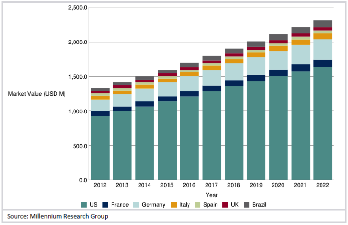
During 2014 the company formed a new operating subsidiary, LED Imaging, which is charged with exploiting these changes, specifically growth of dental digital imaging. These growth opportunities include the rapid adoption of 3D imaging, the ongoing switch from film to digital imaging methods and the increasing use of advanced software for design and manufacturing of dental restorations.
CBCT Fastest Growing Dental Imaging Modality, LED Riding the Wave…
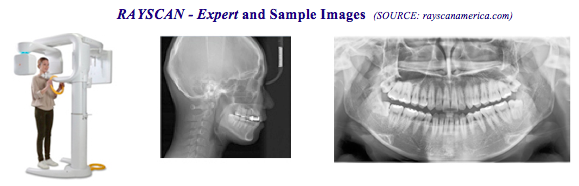
Cone beam computed tomography, or CBCT, are extraoral (i.e. - outside the mouth) scanners which rotate around the head during an exam, providing a 3600 view and with 3D images. Extraoral imaging is used to examine both the teeth and bones of the face and jaw, largely for the purposes of implantology (i.e. - assessment and planning of dental implants) and orthodontics. CBCT's ability to provide 3D images is viewed as a significant advantage to the 2D images provided by conventional extraoral imaging modalities. Unlike 2D X-rays, 3D imaging provides the benefit of viewing adjacent and anomalous structures which provides better accuracy and allows for improved visualization and treatment planning, particularly for more complex diagnoses.
A paper published in the October 2010 issue of The Journal of The American Dental Association titled Practical Applications of Cone-Beam Computed Tomography in Orthodontics[if !supportFootnotes][1][endif] cites several advantages of CBTC over conventional 2D imaging in orthodontics which provide for improved diagnosis and planning. And relative to utility in implantology, in June 2012 the American Academy of Oral and Maxillofacial Radiology updated their guidelines for dental implant imaging, recommending CBCT as the preferred method for presurgical assessment of dental implant sites.
In September 2013 Millennium Research Group published a research study on dental imaging industry trends titled Global Markets for Dental Imaging Systems 2014. The authors expect growth in the dental implant market and increasing demand for higher quality images will drive future sales of CBCT systems, which they predict will expand at a CAGR of approximately 15% globally and 16% in the U.S. over the ten year period of 2012 - 2022. The report further notes that CBCT is the fastest growing segment in dental imaging and is expected to continue to be so as dental professionals
LED is looking to capitalize on the expected significant growth in demand for CBCT systems. In April 2014 the company announced that it entered an agreement with Ray Co, Ltd, a former subsidiary of Samsung (which was recently spun off), to sell that company's RAYSCAN-Expert CBCT instrument in North America. And with roughly 60% of all CBCT systems residing in the U.S., the domestic market is where the lion's share of the business is.
Film-Based Imaging Being Replaced By Digital Imaging…
According to the 2013 Millennium Research Group report the global market for dental imaging will grow from $1.4B in 2012 to $2.3B in 2022, a CAGR of 5.5% which will be driven in part by the transition of film-based to digital-based imaging. Other factors also expected to facilitate this growth are greater demand for technologies that can increase patient flow (which also relates to the switch from film to digital imaging) as well as growing popularity of cosmetic dentistry procedures, such as veneers and orthodontics.
Intraoral imaging is used for the detection of cavities, to look at the roots of the tooth and to evaluate the health of area around tooth. There are two types of digital intraoral imaging systems; photostimulable phosphor plate systems (PSP plate systems) and digital X-ray sensors. PSP plate systems are indirect and involves a small plate (that is used in place of film) that is inserted into the mouth and then removed and digitally scanned. Digital sensors are direct, meaning that the sensor sends the data directly to a computer. PSP plate systems are more economical in terms of upfront costs but have disadvantages to digital sensors including that while sensors provide immediate results, scanning time with PSP plate systems can take up to two minutes.
Millennium Research expects film based modalities to be replaced by digital systems and for PSP plate systems to increase at a CAGR of about 2.6% in the U.S. over the next ten years. However, as practitioners are increasingly demanding improved workflow and patient throughput, the minutes lost waiting for scanning via PSP will drive even greater interest in digital X-ray sensors. Another advantage of digital X-ray sensors is their easy integration with electronic medical record systems. Millennium expects these advantages to push the U.S. digital X-ray sensor market up at a CAGR of about 4.4% over the next ten years.
LED is also participating in this market. In May 2014 the company announced the introduction of LED IS100, a digital intraoral sensor, which the company is distributing in the U.S. The sensor is manufactured by Owandy, a France-based digital imaging company which has a presence in Europe but insignificant sales in the U.S., providing LED with a wide-open opportunity to exploit the domestic market. LED also introduced two intraoral cameras, IC100 and IC200.
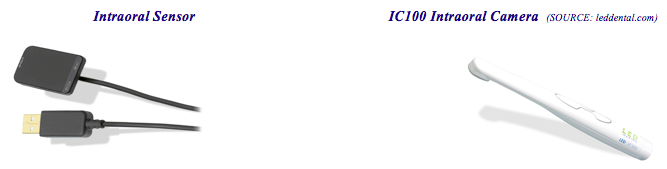
Ray Co.and LED Dental expect a fairly regular flow of new product introductions and in April 2015 launched their latest intraoral sensor system, RIOSensor Digital Radiography System.
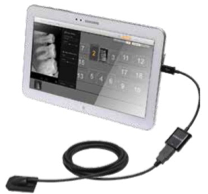
Imaging Software Ties In Intraoral / Extraoral Imaging
Imaging software is used to generate and store the images produced by intra- and extra-oral imaging modalities. In April 2014 LED announced the launch of open-architecture imaging software. The software is compatible not only with RAYSCAN-Expert but also with intraoral and extraoral devices from a variety of manufacturers. It also can be seamlessly integrated with any dental practice management suite.
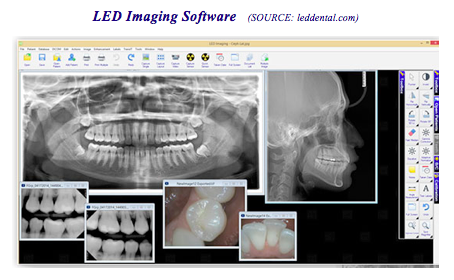
And as a complement to their software, April 2015 LED announced the launch of “LED Imaging Cloud” which provides dentists secure and easily accessible cloud storage of patient records and clinical data. Similar to personal and business computing, onsite data storage of medical and dental records via hard drives and servers is undergoing a rapid and massive shift to the cloud given the benefits of ease of access from any location, security and greater capacity. LED Imaging Cloud is compatible with both 2D and 3D data, allows for housing of all patient records on all workstations in one location and can be integrated with most imaging systems.
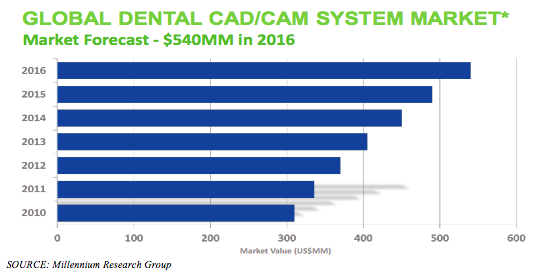
Software is a key piece in patient diagnosis and treatment planning. It is also used for computer-aided design/computer-aided manufacturing (CAD/CAM), a rapidly growing area in dentistry. CAD/CAM is used to design dental restorations such as veneers, crowns and prostheses but is still considered to be in the early adoption phase, leaving significant room for growth. Millennium Research expects the global CAD/CAM market to grow from approximately $320M in 2010 to $540M in 2016 (9% CAGR).
And LED made even more recent additions to its product portfolio, building on its quest to become a one-stop shop for dental imaging and related products and a full-product provider for practices converting from film to digital imaging.
In mid-June the company announced that they will begin distribution of 3Shape's 3D intraoral digital impression and desktop scanner to the orthodontic market. The TRIOS 3 digital impressioning system further beefs up the company's burgeoning digital imaging product portfolio and provides more headway towards exploiting the high potential opportunity in the orthodontics space which has seen growing demand for higher quality imaging.
The company’s latest announced digital imaging-related offering was made in early August. LED penned an agreement with EnvisionTec to distribute that company’s EnvisionTec 3D printers. The printers are used by dental and orthodontic practitioners and laboratories to make a variety of implants, materials and tools including crowns, bridges, models, surgical guides and other dental and orthodontic products. The addition of a 3D printer to LED’s product portfolio further enhances their ability to be a one-stop for dental imaging and related products and a full-product provider for practices converting from film to digital imaging. And with 3D being one the fastest growing segments in dental and orthodontics, their burgeoning product portfolio continues to strengthen their position to leverage one of the most attractive areas in the industry.
LED Making Rapid Progress in Tapping Imaging Market
The company has already made significant strides in tapping the digital imaging market since LED Imaging was formed in April 2014. They have signed partnership deals to distribute high potential digital imaging products throughout North America and commenced building a sales infrastructure to promote the products. LED is also in a somewhat unique and advantageous position in terms of distribution as they can leverage their already established VELscope customer base, which currently stands at approximately 12k dental practices.
And while the company has already brought several third-party digital imaging products under its distribution umbrella, management has indicated that they remain highly engaged with existing and other potential new partners with an eye on further expanding their dental imaging and technology product suite and expect their LED Imaging business to be a major driver of long-term growth of the company.
This early progress has already culminated in a significant increase in orders and revenue. Revenue grew 256% to $9.0M in 2014, is up 116% in the first half of 2015 and management’s revenue guidance for the full year 2015 is growth of 67% - 79% ($15M - $16M).
VELscope Also Remains a Focus
And while LED has dedicated considerable energy on building its imaging division, reviving sales of the company's proprietary oral cancer screening device, VELscope, also remains a priority. VELscope continues to hold the title of the world's leading adjunctive screening device for oral tissue abnormalities, including oral cancer. There are currently about 13k devices in use. But despite success in building a sizeable installed base, VELscope sales have recently lagged. Revenue fell from $6.3M in 2012 to $2.5M in 2013 in the midst of a change in distribution model.
Since then the new management team has implemented changes related to VELscope distribution and optimized sales and marketing. This has included changing their distribution - from one which was heavily reliant on a single distributor to one which now will include several sales organizations. LED has made considerable progress in this regard. Since late 2013, the company has penned new distribution agreements with eight distributors including "majors" Patterson Dental, Henry Schein and DenMat Holdings. Optimization of the distribution model along with expected forthcoming additional clinical evidence supporting the use of VELscope for oral cancer detection, is expected to culminate in a resurgence of growth in sales of the device. Early indications are that the revamped distribution strategy is already paying off. LED noted in their 1/21/2015 revenue preannouncement that much of ~$6.4 million revenue growth (+256%) from 2013 to 2014 was driven by a significant increase in contribution from VELscope products.
And LED has recently begun looking at more “outside-of-the-box” ways to expand adoption and the user base. This has most recently included partnering with the Oral Cancer Foundation in that organization’s recent initiative to promote more oral cancer screening. Under this relationship, LED will provide a VELscope free of charge to dental practices that agree to perform at least three daily oral screenings over three years. While LED will provide the instrument at no cost, they will charge the practices for the single-use consumable (i.e. disposable caps), which is where most of the margin is.
LED also recently partnered with London Drugs, a pharmacy chain in Canada, in a 3-day pilot program held last week whereby London Drug customers were offered free oral cancer screenings with VELscope by dentists at twelve of the pharmacy locations. Depending on the success of the pilot program, LED and London Drugs will consider rolling it out further which would be offered at little or no cost. And while if expanded it will likely not be a financial contributor to LED, it has the potential to increase awareness and possibly drive further adoption at the dental practice level.
While these types of non-traditional marketing initiatives may not result in immediate ROI, they have the potential to broaden the user base over the long-term. And a larger user base is particularly valuable to a company like LED that uses a razor/razor blade revenue model in their VELscope segment which affords the potential for revenue and profitability to exponentially improve with just incremental growth in the installed base.
And the company is also ramping up more traditional awareness-building activities. This includes a full schedule of attendance and exhibiting at various trade shows and association meetings. Between now and the end of the year they plan to be attending eight significant events where they will exhibit and demonstrate both their VELscope and digital imaging product lines.
Financial Model
With RAYSCAN-Expert retailing for approximately $100k, the instrument could be a very significant revenue source for LED. LED's $15M - $16M revenue guidance for 2015 includes the expectation that sales of their digital imaging products show a much more substantial contribution compared to 2014. Furthermore, the company has indicated that they expect the digital imaging products will continue to be a significant contributor to total sales going forward.
Revenue fell 60% in 2013 but has since done an about-face, increasing 256% in 2014 and is up 116% in the first half of 2015. We think it is now clear that the initial portion of the company's shift in strategy, which includes a major focus on expanding distribution and complementary revenue opportunities, has already been well established - and has been done in much more rapid fashion than we had initially anticipated it would be. The architects, namely David Gane and Lamar Roberts who came to LED from Carestream with highly relevant experience in the dental products industry sales, have made obvious substantive progress (in a very short period of time) with broadening the distribution footprint, revamping the sales strategy, growing the product portfolio and returning the company to positive revenue growth. For 2015 the company has provided revenue guidance of $15M - $16M, implying growth of 67% - 79%.
We model revenue of $15.3 million in 2015, catalyzed by a greater (and full-year) contribution from the digital imaging suite of products, including RAYSCAN's cone beam computed tomography instrument. Other more recent digital imaging product launches, including the RIOSensor System and 3D printer line should also make an initial contribution during the current year. And Ray and LED expect a fairly regular flow of new product introductions which should benefit future periods. Continued investment in sales/marketing infrastructure and other costs related to the roll-out of the LED Imaging product suite as well as an increase in sales-related commissions will have the effect of pushing up operating expenses, although we model a flatter rate of growth in OpEx as compared to that of revenue.
See below for access to our updated report on LED Medical.
READ THE LATEST FULL RESEARCH REPORT HERE
SUBSCRIBE TO ZACKS SMALL CAP RESEARCH to receive our articles and reports emailed directly to you each morning. Please visit our website for additional information on Zacks SCR and to view our disclaimer.