By David Bautz, PhD
OTC:PRTX
Financial Update
On July 14, 2015, Protalex (OTC:PRTX) filed its Form 10-K and reported financial results for the fourth quarter and full year for FY 2015 that ended May 31, 2015. The company did not report any revenues in the fourth quarter. Net loss for the fourth quarter was $1.6 million and was comprised of $0.69 million in R&D, $0.79 million in G&A, and $0.1 million in D&A and other expenses. The net loss per share of $0.05 was based on 28.8 million shares outstanding. Total cash burn for the quarter was $0.92 million.
For the fiscal year, the company reported no revenues with a net loss of $11.6 million, or $0.40 per share. The net loss was comprised of $3.0 million of R&D, $8.3 million in G&A, and $0.3 million in D&A and other expenses. Total cash burn for the FY was approximately $4.0 million. The company exited FY 2015 with $0.93 million in cash, however we are unconcerned with the company’s financial needs as there is a Credit Facility Agreement for $5 million in place between Protalex and Niobe Ventures, LLC, a limited liability company controlled by Arnold P. Kling, Protalex’ president and director. Thus far, Protalex has borrowed approximately $3.3 million under this agreement.
Update in ITP
On June 16, 2015, Protalex announced that the U.S. Food and Drug Administration (FDA) has granted PRTX-100 Orphan Drug designation for the treatment of immune thrombocytopenia (ITP). The company’s application with the European Medicines Agency (EMA) for orphan drug status is still pending. We anticipate the initiation of a Phase 1/2 clinical trial of PRTX-100 in ITP during the second half of 2015.
Background on ITP
ITP is a bleeding disorder characterized by bruising and increased bleeding as a result of immune-mediated accelerated destruction of platelets and impaired production of platelets. ITP is an autoimmune-mediated condition in which the body’s own immune system attacks and destroys platelets. The disease can be brought on by bacterial or viral infections. The condition can be acute (short-term) or chronic (long-lasting) in nature, with women being two to three times as likely to develop chronic ITP as men. The bleeding can be found inside the body (internal bleeding), and underneath or from the skin (external bleeding). Signs of bleeding may include:
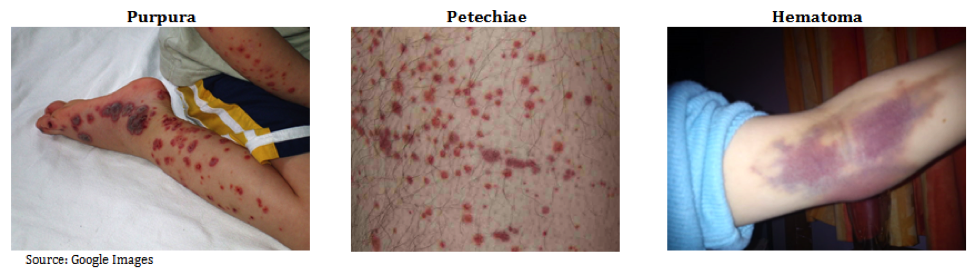
- Bruising or purplish areas on the skin or mucous membranes (such as in the mouth). These bruises are called purpura. Purpura are caused by bleeding under the skin, and they may occur for no known reason.
- Pinpoint red spots on the skin called petechiae. These spots often are found in groups and may look like a rash. Bleeding under the skin causes petechiae.
- A collection of clotted or partially clotted blood under the skin that looks or feels like a lump. This is called a hematoma.
- Nosebleeds or bleeding from the gums (for example, during dental work).
- Blood in the urine or stool (bowel movement).
The diagnosis of ITP is based upon a low platelet count, usually less than 100,000 per microliter of blood, in the absence of other possible causes of reduced platelet numbers such as an underlying illness or medication. A normal platelet count is considered to be between 150,000 and 450,000 per microliter. ITP is recognized by the FDA as an orphan disease, which is defined as a condition that affects fewer than 200,000 people nationwide. The incidence for ITP is approximately 9.5 per 100,000 people in the U.S., representing approximately 30,000 cases.
Current treatment options for ITP
There are a number of treatment options available for ITP patients depending upon the severity of symptoms and whether the patient is newly diagnosed or has a chronic condition. Treatment is typically recommended for adult patients who have significant bleeding and is not necessarily tied to an absolute platelet counts threshold, although bleeding accompanied with a platelet count < 50,000 per microliter warrants treatment.
- Glucocorticoids: These agents work by suppressing the immune system. In urgent situations, infusions of dexamethasone or methylprednisolone may be used, while less severe cases can typically be treated with oral prednisone or prednisolone. As a patients platelet count increases the glucocorticoids are gradually tapered back to limit side effects of long-term glucocorticoid use, which include osteoporosis, cataracts, and diabetes. Relapse rates are high with glucocorticoid treatment, as only 20-40% of patients will have a durable remission (Stevens et al., 2006).
- Intravenous Immunoglobulin: Another treatment option for urgent situations is the use of intravenous immunoglobulin (IVIg), which contains the pooled, polyvalent IgG antibodies extracted from over a thousand healthy donors. The mechanism of action for IVIg in autoimmune diseases is currently unknown, but the treatment is considered relatively safe although serious side effects have been reported, including anaphylaxis and venous thrombosis.
- Thrombopoietic agents: These medications work to directly stimulate production of platelets; however, unlike other treatment options they do not appear to have an effect on platelet destruction. Two of these agents are currently available:
- Romiplostim (Nplate®): This is an Fc-peptide fusion protein that increases platelet production by binding to and activating the thrombopoietin (TPO) receptor. Clinical trials showed romiplostim to be effective in chronic ITP patients, particularly in those with relapsed disease who had previously had a splenectomy (Kuter et al., 2010). The FDA approved the compound in 2008. Amgen reported revenues of $469 million for Nplate® in 2014.
- Eltrombopag (Promacta®): This is an oral TPO receptor agonist that induces megakaryocyte proliferation and differentiation from bone marrow progenitor cells. Clinical trials showed eltrombopag decreased bleeding episodes and increased platelet count in a dose dependent manner (Bussel et al., 2007). The FDA approved the compound in 2008. GlaxoSmithKline reported revenues of approximately $340 million for Promacta® in 2014.
…PRTX-100 for the treatment of ITP…
Given the high relapse rate associated with current ITP medications, there exists a significant unmet medical need for additional and effective ITP treatments. While successful in treating ITP patients, neither of the thrombopoietic drugs impacts the principal pathological mechanism of ITP, namely the destruction of platelets.
Protalex believes that PRTX-100 may have a more direct impact on ITP by limiting the destruction of platelets, thus complementing or perhaps even reducing the use of thrombopoietic agents. Research presented at the 2006 Annual meeting of the American Society of Hematology showed that PRTX-100 inhibited the phagaocytosis of platelets in an in vitro assay in a dose dependent manner, as shown in the following chart.

The assay consisted of labeling platelets with an antibody, thus signaling for the platelets to be destroyed through phagocytosis. This is similar to what occurs in a patient with ITP. Interestingly, when monocytes were treated with either 25 or 250 ng/mL PTRX-100 prior to exposure to antibody-bound platelets, the level of platelet phagocytosis was similar to that seen when platelets were not labeled with antibody (“No Ops” group), indicating that PRTX-100 eliminated most antibody-mediated phagocytosis.
Additional support for using PRTX-100 as a treatment for ITP comes from a study showing that ITP autoantibodies are almost exclusively derived from rearrangements of a single Ig heavy-chain variable region gene (VH3-30) (Roark et al., 2002). In the study, 39 unique ITP autoantibody sequences were isolated from two ITP patients, with 6/6 sequences from patient A and 29/33 sequences from patient B being derived from VH3-30. This data is important in light of the fact that SpA is known to bind almost exclusively to human antibodies derived from the VH3 gene family (Graille et al., 2000). Further support is provided by a study where SpA was administered to mice resulting in a selective reduction in VH3 gene expression and that this effect was long-lived, leading to an immunological “hole” in the B-cell repertoire where VH3-derived antibodies were significantly decreased (Silverman et al., 2000). In essence, treatment with SpA resulted in the deletion of antibodies from the VH3 gene, which are the majority of ITP autoantibodies.
One last line of data that supports the use of PRTX-100 in ITP comes from previous studies showing the effectiveness of the Prosorba® column in treating ITP patients (Snyder et al., 1992). The Prosorba® column is a medical device containing highly purified SpA covalently bound to a silica matrix. The device is used in conjunction with a plasmapheresis machine. In this ex vivo treatment, blood is withdrawn from the patient, cells are separated from plasma in the machine, and the plasma is passed through the Prosorba® column. The plasma is then recombined with the cells and returned to the patient.
In the study by Snyder et al., a total of 72 ITP patients with platelet counts < 50,000 per microliter and who had failed at least two prior therapies were treated with an average of six Prosorba treatments of 0.25 to 2.0 L of plasma per procedure over a span of two to three weeks. The treatments caused an acute increase in the platelet count to greater than 100,000 per microliter in 18 patients and to 50,000 to 100,000 per microliter in 15 patients. The response was transient in seven of those patients but no additional relapses were reported over a follow up period of up to 26 months. Clinical responses were associated with significant decreases in specific serum platelet auto-antibodies, platelet-associated immunoglobulin, and circulating immune complexes.
The mechanism of action for why the Prosoba® column is effective as an ITP treatment probably has little to do with the binding capabilities of SpA. The IgG antibody content of the human body is approximately 50 grams total, with 50% turnover every 3 weeks. The FDA approval summary for the Prosorba® column states that the antibody absorption capacity is approximately 0.56 g, suggesting that it would be impossible to have a major impact on total IgG load via absorption treatment.
Instead, the efficacy of the Prosorba® column in treating ITP is most likely predicated on the fact that up to 200 μg of SpA can leach from the column during immunoabsorption procedures (Roark et al., 2002). The SpA then likely binds to and deletes VH3 antibodies, including those that are targeting platelets.
To summarize:
- ITP antibodies are predominantly derived from the VH3 gene family.
- SpA is a superantigen that binds specifically to the variable region of the Ig heavy chain VH3 family.
- Treatment of mice with SpA results in the long-lived deletion of B-cell clones expressing genes from the VH3 family.
Those characteristics lead us to believe that PRTX-100 is likely to be successful as a treatment for ITP, with a differentiated mechanism of action from currently available therapies.
Upcoming Clinical Trial of PRTX-100 in ITP
Protalex will be testing the efficacy of PRTX-100 in ITP patients in a Phase 1/2 open-label, dose-escalation study that will begin enrolling patients in the third quarter of 2015 (NCT02401061). Previously, Protalex had tested PRTX-100 in a small clinical study in ITP patients in 2008 (PRTX-100b-103 Study) that was never completed due to a difficulty in enrolling patients. The study enrolled nine patients and no side effects or toxicities were noted with repeated weekly doses of PRTX-100 of 0.075 and 0.15 μg/kg before further recruitment of patients was suspended. It is clear that more is known today about PRTX-100 than in 2008; thus, we believe investigator interest in the drug is now high enough that enrollment in the planned 36 patient Phase 1/2 study can be achieved.
The proposed Phase 1/2 study will include patients with chronic ITP who have platelet counts of less than 30,000 per microliter and have failed at least one prior therapy. Concomitant use of corticosteroids or immune suppressive agents will be allowed. The doses being tested will range from 1.0 to 24.0 μg/kg and will be administered as single weekly doses over a four-week period. Approximately three to six patients will be enrolled per dosing cohort. The primary endpoint for the study is platelet response, which is defined as platelet count >30,000 per microliter and at least a doubling of baseline platelet count. We anticipate top-line data from the trial to be reported in mid-2016.
Upon successful completion of the Phase 1/2 study we anticipate the company being able to begin a Phase 3 trial at the end of 2016 or early 2017. Given that ITP is an orphan indication, it is likely that the Phase 3 trial will only need to enroll a few hundred patients. Nplate® was approved based on the results of two clinical trials, one with patients who had not undergone a splenectomy and one with patients who had. However, each trial only enrolled 62 and 63 patients randomized 2:1 to receive either Nplate® or placebo, thus indicating that a very large trial will likely not be necessary for PRTX-100 to gain approval.
Update In Rheumatoid Arthritis
Protalex is currently conducting the PRTX-100-105 study (NCT02330445) in rheumatoid arthritis (RA) patients, which is a continuation of the -104 study. The company has already finished dosing 8 patients with 4 weekly doses followed by 5 monthly doses of 6 μg/kg PRTX-100 with an additional 3 patients likely to begin dosing shortly. All 11 of the patients participated in the -104 study, and the purpose of the -105 study is to evaluate the safety of 6 μg/kg PRTX-100 administered for an extended period of time, since it may be required for RA therapy. Secondary objectives of the study are to evaluate clinical response to PRTX-100 treatment and what effect anti-PRTX-100 antibodies have on clinical activity. We anticipate results from this study being available in the first half of 2016.
…Awaiting next steps in RA…
In April 2015, Protalex announced final cohort analysis from the Phase 1b trial. The final analysis confirmed the previously reported safety and tolerability of the drug. The analysis also suggests that weight-based dosing and monthly maintenance doses are an important aspect of the protocol and should be considered for future trials with PRTX-100, two ideas that have been incorporated into the -105 study. With respect to the relationship between certain biomarkers and response to PRTX-100, management is now going back and re-examining the data from the South African -103 study. In addition to working with outside consultants, the company will also speak to various “Big Pharma” companies in order to obtain feedback on the design of the Phase 2 trial such that the results will be of interest to potential partners at pharmaceutical companies.
Management expects to complete this analysis and then determine the next steps for PRTX-100 in RA sometime during the second half of 2015. We feel like PRTX-100 is not far enough along in clinical development for a large pharmaceutical company to want to enter into a partnership yet, thus Protalex wants to be sure that whatever data is generated in the Phase 2 trial will be sufficient for a large pharmaceutical company to decide whether or not PRTX-100 is worth pursuing further. We also believe the more data management has with respect to the biomarker activity of the drug, the more likely a big pharma partner will be interested in moving the drug forward because the probability of success goes up as the target population becomes more defined.
Conclusion
We continue to recommend Protalex as we believe the potential for PRTX-100 is quite large. We estimate sales in excess of $1 billion alone are possible for RA in the U.S. The potential in ITP, which we peg to be around $400 million in peak sales, although significantly smaller than what we believe the drug can do in RA, is quite intriguing because ITP is an orphan indication. The company was recently awarded Orphan Drug Designation for PRTX-100 in ITP, which not only confers rock-solid market exclusivity for Protalex, it also attracts potential pharma partners thanks to strong pricing and accelerated pathways to approval.
Protalex is still flying relatively under-the-radar for most biotech investors. We believe that having two clinical programs underway in 2015, one in RA and one in ITP, should help draw investor attention to the name. With a market capitalization of approximately $150 million and a stock price near $5.00, we believe an uplisting to NASDAQ is on the near-term horizon. As more investors become familiar with the Protalex story, the stock price is likely to reflect the potential we see for PRTX-100. Our financial modeling pegs the valuation around $10 per share.
READ THE LATEST FULL RESEARCH REPORT HERE
SUBSCRIBE TO ZACKS SMALL CAP RESEARCH to receive our articles and reports emailed directly to you each morning. Please visit our website for additional information on Zacks SCR and to view our disclaimer.