By David Bautz, PhD
NASDAQ:VKTX
We are initiating coverage of Viking Therapeutics, Inc. (NASDAQ:VKTX) with a Buy rating and a $15.00 price target. Viking is a clinical stage biopharmaceutical company focused on developing treatments for metabolic and endocrine related disorders. We believe that Viking’s products represent potential best-in-class treatments due to their unique mechanisms of action and strong safety profile in early clinical testing. With a market cap of less than $50 million, we believe the market does not fully appreciate the multiple billion-dollar opportunities Viking is pursuing, thus representing a compelling investment opportunity.
VK5211
Hip Fracture
Hip fractures are a serious health threat for elderly individuals. In the U.S., there are over 300,000 hip fractures every year (U.S. Department of Health and Human Services). More than 95% of hip fractures are due to falls (Parkkari et al., 1999). The consequences of hip fracture are numerous:
- Up to 30% of those with a hip fracture will die within the next year (Goldacre et al., 2002), with some long-term studies indicating excess mortality even 5 years after the incident (Forsén et al., 1999).
- Of those who survive, only 50% walk independently again and 20% move to a long-term care facility (Landefeld, 2011).
- Only 50% of patients recover prefracture capability of activities of daily living and only 25% recover full capability of their daily activities (Magaziner et al., 1990).
Surgery is the most viable treatment option for most patients. Thromboembolic events are a common complication during recovery from a hip fracture, thus patients are typically put on low molecular weight heparin for up to 35 days after the incident. Suffering a hip fracture is a major risk factor for another hip fracture, thus some patients receive bisphosphonate therapy since studies show bisphosphonates reduce the risk of osteoporotic fractures through an increase in hip BMD (Wells et al., 2008). However, use of bisphosphonates for more than five years is associated with an increased risk of rare bone fractures (Park-Wyllie et al., 2011), thus a lot of doctors are hesitant about prescribing them to patients recovering from hip fracture.
Changes in Body Composition After Hip Fracture
Hip fracture is associated with a number of morbidities, the majority of which are the result of deleterious changes in body composition following the injury. Body mass consists of three components: lean body mass (LBM), fat body mass (FBM), and bone. Fat mass and lean mass are known to undergo opposite and deleterious changes following hip fracture. In the first year after a hip fracture, fat mass increases by up to 7% (Karlsson et al., 1996) while lean mass decreases by up to 11% (Fox et al., 2000). This is in comparison to healthy older females who lose approximately 1% of lean mass per year and gain approximately 1.7% in fat mass (Karlsson et al., 2000). In addition, bone mineral density (BMD) declines in patients who have suffered hip fracture, which is in part due to a decrease in mobility in these patients. The following figures show that the change in body composition happens very quickly after hip fracture, with a significant decrease in LBM and BMD within two months of the incident.
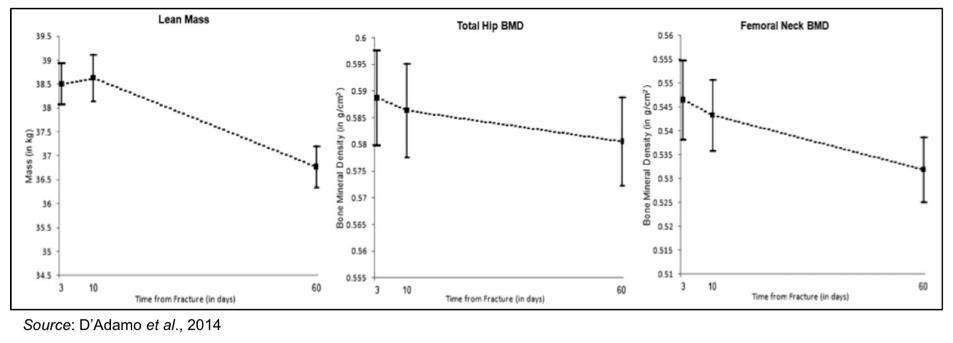
The ability to slow or prevent the loss of LBM and BMD would likely have a profound impact on patient recovery following hip fracture. Multiple studies show that while bisphosphonates have been shown to decrease the risk of hip fracture and to increase BMD (Lyles et al., 2007), no treatments are currently available that restore or preserve body composition in patients following hip fracture, thus representing a significant unmet medical need for a growing population of patients.
Selective Androgen Receptor Modulators
Androgens are a group of hormones that regulate the reproductive system as well as maintain homeostasis of the muscular, skeletal, cardiovascular, metabolic, and central nervous systems. The most prominent androgen is testosterone, which is predominantly produced in the testes in men and in the adrenal glands and ovaries in women, although at lower levels than in men. Testosterone stimulates the growth of muscle and bone (anabolic effects) as well as the prostate and sebaceous glands (androgenic effects), and is considered a non-tissue-selective androgen. Androgens act through binding to androgen receptor (AR). AR is a nuclear receptor that is activated by binding to androgenic hormones (testosterone and dihydrotestosterone) in the cytoplasm after which it is translocated to the nucleus where it acts as a DNA binding transcription factor to regulate gene expression (Roy et al., 1999).
Amongst other things, androgens inhibit fat accumulation and increase skeletal muscle growth, two properties that make them ideal therapeutic candidates for restoring or preserving body composition following hip fracture. Unfortunately, the use of testosterone therapy has a number of side effects including prostate growth (Meikle et al., 1997) and polycythemia (Snyder et al., 2000) in men and acne, alopecia, and hirsutism in women (Phillips et al., 1997). Thus, what would be most beneficial would be a product that provided the anabolic effects of androgen therapy with limited androgenic effects.
Selective androgen receptor modulators (SARMs), first described in 1998 (Dalton et al., 1998; Edwards et al., 1998), are compounds designed to act as AR agonists in muscle and bone while being partial agonists in other areas of the body (e.g., prostate). SARMs represent a novel class of compounds that could usher in a new way of treating patients that require anabolic therapy, including those suffering from hip fracture, cancer, osteroporosis, or other muscle wasting diseases.
VK5211
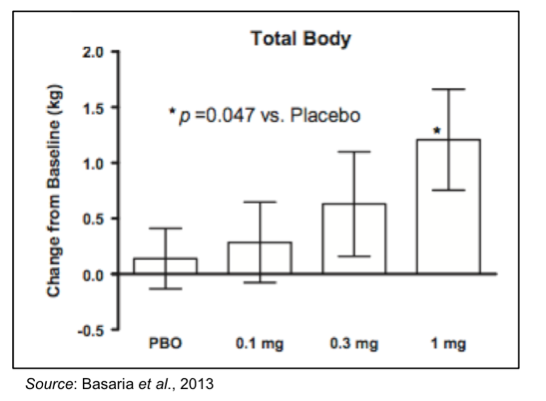
Viking’s lead drug candidate is VK5211 is a third-generation non-steroidal SARM that is being developed for maintenance or improvement of LBM, BMD, and function in patients recovering from non-elective hip fracture surgery. VK5211 (then known as LGD-4033) was originally developed by Ligand Pharmaceuticals, Inc. (LGND) and was previously tested in preclinical models and early stage clinical trials. Two Phase 1 clinical trials showed the drug to be safe and well-tolerated at all doses following daily oral administration for up to 21 days. The drug selectively activates AR in muscle and bone, stimulating muscle and bone growth, while avoiding undesirable side effects, such as unwanted hair growth, acne, or prostate growth. Viking recently reported completion of a third Phase 1 trial in healthy elderly subjects, which confirmed the safety, tolerability, and pharmacokinetic profile observed in younger subjects. The most important finding from the early studies was that VK5211 caused a dose dependent increase in LBM, as shown in the following figure.
VK5211 Clinical Development Plan
Viking is developing VK5211 as a treatment for acute hip fracture, of which there are no approved therapies to treat patients experiencing loss of LBM or BMD nor are there approved therapies to facilitate improved functional performance following surgery. The company recently initiated a Phase 2 study in patients ≥ 65 years of age who have suffered a hip fracture within the past three to seven weeks. This will be a multicenter, randomized, parallel group, double blind, placebo controlled trial, where patients will be administered placebo or 0.5 mg, 1.0 mg, or 2.0 mg of VK5211 once-daily for 12 weeks (NCT02578095). A total of 120 patients are expected to enroll in the trial evenly split between the four treatment groups. The primary outcome of the trial is the change in LBM after 12 weeks of treatment. Secondary and exploratory endpoints include assessments of functional performance, quality-of-life, and activities of daily living. We anticipate topline results being available in the second half of 2016.
VK2809/VK0214
Thyroid Hormones
Thyroid hormones play a critical role in the regulation of metabolic rate, energy consumption, and lipid metabolism (Oetting et al., 2007). The predominant thyroid hormones, L-thyroxine (T4) and L-triiodothyronine (T3), are synthesized in the thyroid gland and released bound to thryoxine-binding globulin, albumin, and thyroid-binding prealbumin. Only small amounts of unbound thyroid hormones flow freely through the bloodstream, and it is this fraction that is available to enter target cells. Most of the effects of thyroid hormones are exerted through binding to the thyroid hormone receptors (TR). There are two major isoforms of TR, TRα and TRβ, which are encoded by separate genes. TRα and TRβ also have markedly different expression patterns, with TRα expression highest in the heart and brain while TRβ expression is highest in the liver (Bookout et al., 2006).
Excess thyroid hormone (hyperthyroidism), either through overactivation of the thyroid gland or delivery of exogenous hormone, can lead to tachycardia, muscle wasting, osteoporosis, fatigue, and anxiety (Webb, 2004). However, excess thyroid hormone can also result in some beneficial effects, such as reductions in serum LDL cholesterol and body fat. In addition, hypercholesterolemia was recognized early on as a side effect of hypothyroidism, which is a condition of insufficient thyroid hormones. These observations led to a study in psychiatric patients on the use of dried thyroid extract that showed it reduced serum cholesterol (Gofman et al., 1957). Follow-up studies with D-thyroxin showed that while it caused a decrease in LDL cholesterol, the side effects were so severe (in particular cardiac complications) that the use of thyroid hormones as therapeutics had to be abandoned (Coronary drug project, 1972). These results were the impetus to identify compounds that could provide the positive lipid lowering effects of thyroid hormones without the cardiac complications.
TRα and TRβ
Studies on genetically altered mice and patients with thyroid hormone resistance have given scientists a greater understanding for the differing roles of TRα and TRβ in regulating metabolism. Patients who are resistant to thyroid hormone have a mutation in TRβ that reduces the affinity of the receptor for T3 (Yen, 2003). This leads to an increase in circulating thyroid hormone levels, which is typically enough to restore normal TRβ activity in peripheral tissues (decreased affinity means that more thyroid hormone is necessary to elicit the same TRβ activity). However, a side effect of this increase in thyroid hormone levels is increased heart rate, suggesting that TRα regulates heart rate (since TRα would not require excess amounts of thyroid hormone to function properly, excess thyroid hormones causes excess activity of TRα).
Additional evidence for the roles of TRα and TRβ come from studies of “knock-out” mice whereby either TRα or TRβ was genetically removed, with the results showing a clear role for TRα in regulating heart rate (Wikström et al., 1998) and TRβ regulating serum cholesterol levels (Weiss et al., 2002; O’Shea et al., 2002). Thus, compounds that can selectively alter TRβ function with little to no effect on TRα could have a beneficial effect on lipid metabolism while avoiding deleterious cardiac side effects.
VK2809/VK0214
VK2809 and VK0214 are novel, orally available, selective TRβ agonists that are in development for adrenoleukodystrophy (ALD) and lipid disorders such as hypercholesterolemia and fatty liver disease. VK2809 ((2R,4S)-4-(3-chlorophenyl)-2-((3,5-dimethyl-4- (4′-hydroxy-3′-isopropylbenzyl)phenoxy)methyl)-2-oxido-(1,3,2)-dioxaphosphonane; formerly known as MB07811) was originally developed by Metabasis Therapeutics, Inc., which was acquired by Ligand in 2009. The compound has been tested in multiple preclinical models as well as two Phase 1 clinical trials.
While both compounds are TRβ agonists, VK0214 has a different pharmacokinetic and pharmacodynamic profile than VK2809 (shorter half-life but higher Cmax). In addition, the drug is activated by carboxyesterases, which are ubiquitously expressed in the body, thus potentially making the drug more suitable for a disease such as ALD, which is more diffuse than hypercholesterolemia or fatty liver disease.
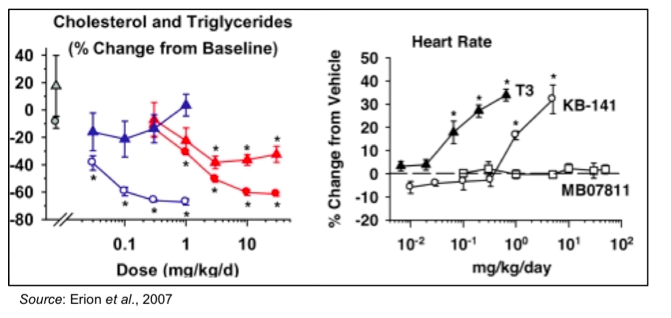
VK2809 is a prodrug of a potent TRb agonist that is converted to the active compound through cleavage by the liver specific cytochrome P450 isoenzyme CYP3A4 (Erion et al., 2007). The activated form of the drug has approximately 16-fold higher affinity for TRβ (Ki = 2.2 nM) than for TRα (Ki = 35.2 nM). The following figures show that administration of VK2809 to rats caused a decrease in plasma cholesterol (lower left) with no effect on heart rate (lower right). Note that in the following figures, the red lines indicate VK2809 (MB07811) results while results for another TRβ selective agonist are shown in blue; circles represent cholesterol level while triangles represent triglyceride level.
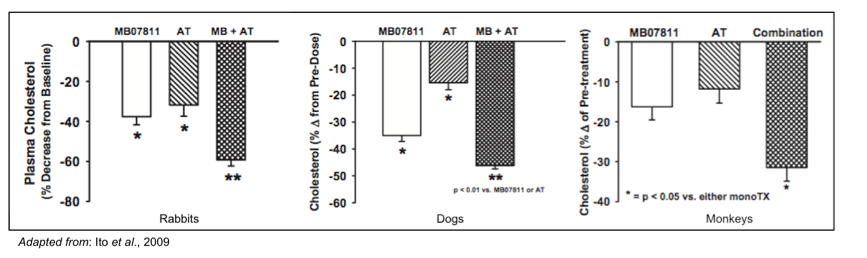
The cholesterol lowering properties of VK2809 were further exhibited in multiple studies in rabbits, dogs, and monkeys (Ito et al., 2009). The following figures show that VK2809 (MB07811) was at least as effective in lowering plasma cholesterol as atorvastatin (Lipitor®) in all three species, and an additive effect exists with the combination of VK2809 and atorvastatin.
Hypercholesterolemia and Fatty Liver Disease
Polygenic hypercholesterolemia is the most common cause of elevated serum cholesterol levels and is caused by a combination of genetic susceptibility and one or more other factors, including diet, obesity, and sedentary lifestyle. In the U.S., the National Cholesterol Education Program (NCEP) Adult Treatment Panel (ATP) guidelines are most commonly used to determine optimum LDL cholesterol levels. The guidelines were originally published in 1988 and then updated in 2004 (Grundy et al., 2004) and define hypercholesterolemia as a blood cholesterol concentration of 240 mg/dL or more, with desirable concentrations as less than 200 mg/dL. For LDL cholesterol, a value of 160 mg/dL is considered high, with values greater than 190 mg/dL being considered very high. According to the CDC, there are approximately 70 million adults in the U.S. with elevated LDL cholesterol levels, but only 34 million of them are being treated and only 23 million have their condition under control. The most noteworthy consequence of elevated LDL cholesterol is increased coronary heart disease risk (Lewington et al., 2007).
Statins have become the therapy of choice for a large number of patients with hypercholesterolemia. The 2013 American College of Cardiology/American Heart Association Task Force guidelines identify four groups of patients who benefit the most from statin therapy:
1. Those with clinical atherosclerotic cardiovascular disease (ASCVD), such as acute coronary syndrome, history of myocardial infarction, stable or unstable angina, coronary revascularization, stroke presumed to be of atherosclerotic origin, and peripheral arterial disease or revascularization
2. Those with LDL cholesterol values of of 190 mg/dL or higher
3. Those with diabetes in persons aged 40-75 years and LDL cholesterol of 70-189 mg/dL
4. Those without clinical ASCVD or diabetes aged 40-75 years with LDL-C of 70-189 mg/dL with an estimated 10-year calculated Framingham risk score of 7.5% or higher
While statins have proven to be quite beneficial in treating hypercholesterolemia, they often have a number of side effects such as muscle pain, liver damage, digestive problems, and increased blood sugar.
Nonalcoholic fatty liver disease (NAFLD) is a type of fatty liver where there is deposition of fat (steatosis) in the liver brought on by something other than alcohol consumption and is often due to obesity. Approximately 10 to 20 percent of individuals in the U.S. have fat in their liver but no indication of inflammation. Nonalcoholic steatohepatitis (NASH) is inflammation and damage in the liver brought on by a buildup of fat and is the most severe form of NAFLD. NASH is an often “silent” liver disease as most people with NASH feel well and are not aware that they have a liver problem. Nevertheless, NASH can be severe and can lead to cirrhosis, in which the liver is permanently damaged and scarred and no longer works properly, liver failure, and hepatocellular carcinoma. NASH affects two to five percent of people in the U.S (NIDDK).
There are currently no treatment options available for those that develop NASH. Physicians typically advise NASH patients to lose weight (if they are overweight or obese), get more exercise, eat healthy, and avoid alcohol and unnecessary medications. While these are simply standard recommendations for maintaining a healthy lifestyle they can make a difference in patients with NASH. Losing weight typically leads to improved liver tests and may possibly reverse the disease, but usually only to a certain extent. In addition, very few people lose sufficient weight to impact their health (Fildes et al., 2015).
Experimental approaches currently under development for NASH include the use of antioxidants, such as Vitamin E, selenium, and betaine. There is usually an increased oxidative stress in the livers of NASH patients, thus these medications may work to lower the amount of oxidative species. Many NASH patients are insulin resistant, thus medicines such as metformin, rosiglitazone, or pioglitazone may increase patients sensitivity to insulin and reduce liver injury by better enabling a patient to control blood glucose and lipid levels. Additional therapies under development include experimental medications such as obeticholic acid (Intercept Pharmaceuticals), RP103 (Raptor Pharmaceuticals), GR-MD-02 (Galectin Therapeutics), and MN-001 (MediciNova).
VK2809 Clinical Data
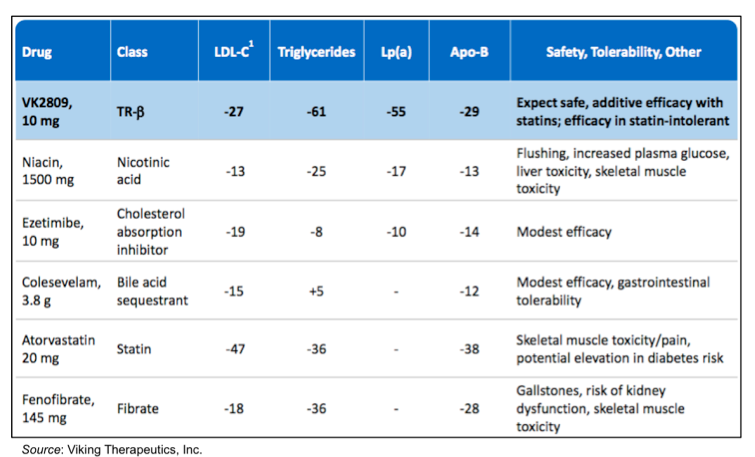
VK2809 has been evaluated in two Phase 1 clinical trials, the first conducted in 2006 and a second Phase 1b trial conducted between 2007-2008. The Phase 1b trial was a 14-day, placebo controlled trial in patients with mild hypercholesterolemia (defined as baseline LDL cholesterol of at least 100 mg/dL). VK2809 was shown to be safe and well tolerated in doses ranging from 0.25 mg to 40 mg per day. No serious adverse events were reported and the frequency of adverse events in VK2809-treated subjects was similar to placebo-treated subjects. There were also no differences in heart rate, heart rhythm, or blood pressure between VK2809 and placebo-treated patients. The clinical trial results also showed dose-related reductions in fasting LDL cholesterol and fasting triglyceride levels at day 14. Significant placebo-adjusted LDL cholesterol reductions from baseline were observed at doses of 5 mg and above and ranged from approximately 15%—41%, while placebo-adjusted triglyceride levels were reduced by more than 30% at doses of 2.5 mg and above. In addition, statistically significant reductions of lipoprotein a (Lp(a)) and apolipoprotein (Apo(B)), which are believed to be positively associated with a patient’s risk of developing cardiovascular disease, were observed in certain cohorts. The table below gives a comparison of the Phase 1b efficacy results of VK2809 and data from existing hyperlipidemia treatments.
Market Opportunity in Lipid Disorders
With only 50% of the 70 million U.S. adults with hypercholesterolemia being treated and only 50% of those patients having their condition under control, there exists a substantial population of patients who are either not being treated for hypercholesterolemia or not being treated effectively. As a class, sales of branded statin medications totaled approximately $11.5 billion in 2014 (EvaluatePharma), however generic competition has driven total revenues down since 2011, when Lipitor® (atorvastatin) lost patent protection. It should be noted that peak Lipitor® sales were approximately $13 billion per year, which suggests an enormous market for novel branded therapies.
There are approximately 15 million individuals who suffer from NASH in the U.S., and with no FDA approved therapies the opportunity for a successful NASH treatment is quite large. According to EvaluatePharma, sales of drugs for the NASH market could top $1.3 billion in 2020.
VK2809 Clinical Development Plan
Since prior data show excellent results in both the lipid-lowering setting and in models of fatty liver disease, Viking plans to conduct a Phase 2 trial to evaluate both potential indications. The company is planning to target patients with elevated cholesterol, fatty liver disease, and at least three risk factors for metabolic syndrome, which is considered a major driver for the onset of NASH. The primary endpoint will assess changes in LDL, with exploratory endpoints evaluating changes in liver fat content, inflammatory markers, and histological changes. Upon conclusion, the company hopes to be in a position to move forward in either hypercholesterolemia or NASH. Thus, it could be viewed as a two-in-one study – confirmatory on LDL and exploratory for fatty liver disease. We anticipate the study initiating in the fourth quarter of 2015 and topline results to be available in the fourth quarter of 2016 or first quarter of 2017.
Adrenoleukodystrophy
Adrenoleukodystrophy (ALD) is an X-linked genetic disorder caused by a mutation in the ABCD1 gene that encodes ALDP, a peroxisomal membrane protein (Mosser et al., 1993). The defect leads to an accumulation of very long chain fatty acids (VLCFA) in almost all tissues, however the adrenal glands, testes, brain, spinal cord, and peripheral nerves are most affected clinically (Moser et al., 2001). While the accumulation of VLCFA would seem to be at the heart of the pathophysiological mechanism, the exact reason for tissue damage in those with ALD is currently unknown. It is thought that the accumulation of VLCFA leads to a disruption in the cellular membrane and damage to the myelin sheath of neural cells. The damage leads to decreased motor coordination and function, visual and hearing disturbances, loss of cognitive function, and even death.
There is a wide heterogeneity in the clinical manifestations of ALD, with some patients experiencing rapid cerebral demyelination in childhood while others simply have myelopathy in adulthood. The two main sub-classifications for ALD are based on the presence or absence of brain inflammation:
- Adrenomyeloneuropathy (AMN): AMN is the most frequent phenotype of ALD. AMN will affect all adult males with mutations in the ABCD1 gene and approximately 65% of females. The first symptom of AMN typically appears in males between the ages of 20 and 30 years and almost always before the fifth decade of life. Women typically develop symptoms later in life than males. Symptoms include progressive stiffness and weakness in the legs, sphincter disturbances, and impotence. Severe motor neuron degeneracy typically develops over a span of three to 15 years and can often lead to lower limb paralysis. Approximately two-thirds of males will develop adrenocortical insufficiency (Addison’s disease), while it is present in less than 1% of female carriers. Twenty percent of AMN males will develop a cerebral demyelinating form of the disease, although it is generally milder than cerebral demyelination in children.
- Cerebral adrenoleukodystrophy (CALD): CALD is the most severe form of ALD and occurs in approximately 35-40% of males between the ages of five and 12 years. The earlier the age of onset is correlated with a more rapid progression of the disease. Patients are asymptomatic until cerebral demyelination develops on brain MRI. Initially, the demyelinating lesions are not inflammatory, and no neurological symptoms are present until suddenly the disease becomes inflammatory and at this point the disease progresses rapidly. A vegetative state will typically occur within two to five years with death occurring within 10 years. Approximately 65% of CALD patients will have adrenocortical insufficiency that can precede the onset of neurological symptoms by years or even decades.
TRβ Agonists for the Treatment of ALD
ABCD1 is one of three genes encoding peroxisomal ABC-transporters, which includes ABCD2 and ABCD3. ALDR is the protein encoded by ABCD2, and it shares 66% homology with ALDP, the protein encoded by ABCD1 (Holzinger et al., 1997). When ALDR was overexpressed in cultured fibroblasts from ALD patients, impaired peroxisomal beta-oxidation was restored (Netik et al., 1999), suggesting that ALDR activity could compensate for the loss of ALDP activity. In addition, when murine ALDR was ubiquitously overexpressed from a transgene in Abcd1-deficient mice, it normalized VLCFA levels in target tissues and rescued late-onset motor coordination defects (Pujol et al., 2004). The reason that ALDR does not compensate for loss of ALDP function in ALD patients is because of complimentary expression of ABCD1 and ABCD2 (i.e., in tissues where ABCD1 is expressed, ABCD2 is not and vice versa) (Troffer-Charlier et al., 1998). Thus, while ALDR would appear to be able to replace the function of ALDP, it would be necessary to induce its expression in the tissues where it is not usually expressed.
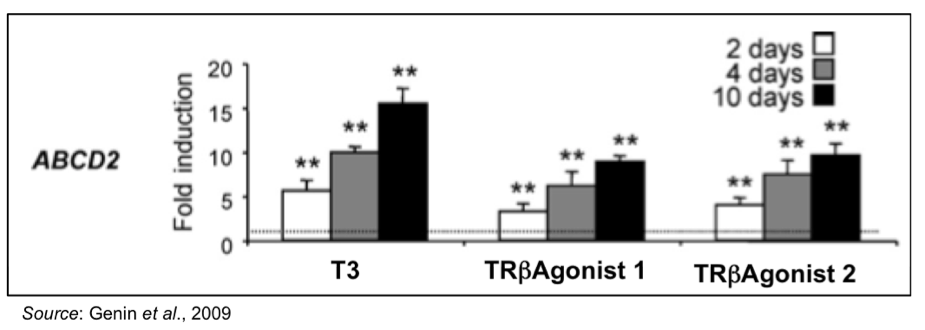
Fibrates (Albet et al., 1997), thyroid hormones T3 and T4 (Fourcade et al., 2003), and 4-phenylbutyrate (Gondcaille et al., 2005) all stimulate the expression of ABCD2 in the liver, thus proving that pharmacological induction of ABCD2 expression is feasible. Furthermore, since T3 is able to induce expression of ABCD2 (through binding of TRβ), it stands to reason that a TRβ-specific agonist would also cause the same effect. In fact, TRβ-specific agonists have been shown to increase expression of ABCD2 in a manner similar to T3 (Genin et al., 2009). The following figure shows the results of treating human HepG2 liver cells with either T3 or TRβ-specific agonists, with ABCD2 expression being significantly increased compared to control treated cells (dashed line) after 2, 4, and 10 days of treatment. Thus, we believe there is ample evidence to support the development of either VK2801 or VK0214 as a treatment for ALD.
Market Opportunity for ALD and Clinical Development Plan
In the U.S., there are approximately 8,000 patients suffering from ALD while in the E.U. there are approximately 12,000 patients. Since the only effective therapy currently available for these patients is HSCT, there exists an unmet medical need for less dangerous treatment options. In addition, since so few individuals suffer from this condition, Viking could apply for orphan drug designation from the FDA for whichever compound is advanced into clinical testing. Orphan drug designation carries a number of potential incentives for the company, including increased feedback from the FDA regarding clinical trial design, seven years of market exclusivity following approval for the treatment of ALD, tax credits, and a waiver of PDUFA fees. Lastly, therapeutics that treat orphan diseases typically enjoy premium pricing, often in excess of $300,000 per year for treatment.
Viking is planning to complete preclinical experiments in cell and animal models of ALD with both VK2809 and VK0214. Depending upon the results of those studies, the company will then move one of those compounds into an open label Phase 1 clinical trial in ALD patients in 2017. The trial, if pursued, would be expected to enroll ten to twelve patients and test up to three different doses of drug for safety and tolerability, as well as changes in VLCFA, functional status, and quality of life after six weeks of treatment. Since ALD is an orphan indication, positive results could lead to discussions with the FDA about moving straight into registration trials later in 2017 or 2018.
Additional Pipeline Programs Targeting Metabolic Diseases
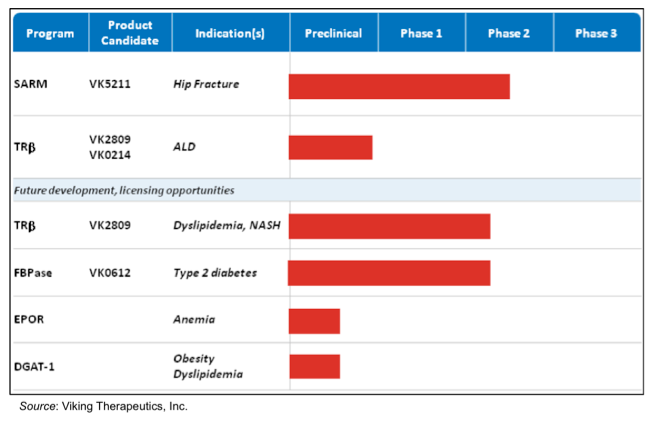
While currently focusing on the development of VK5211 and VK2809/VK0214, the company also has a pipeline of three additional compounds that target metabolic diseases and anemia.
VK0612
VK0612 is a potent and selective inhibitor of fructose-1,6-bisphosphatase (FBP), an enzyme that catalyzes the rate-limiting step of gluconeogenesis (conversion of fructose-1,6-bisphosphate to fructose-6-phosphate). Gluconeogenesis is the process by which the body produces glucose from non-carbohydrate precursors. The drug is being developed for the treatment of type 2 diabetes, a disease in which the body is unable to properly respond to insulin, and blood glucose levels rise.
VK0612 has exhibited potent glucose-lowering effects in diabetic animal models and has been shown to be safe, well tolerated and have significant glucose-lowering effects in patients with type 2 diabetes. The drug has been studied in six Phase 1 clinical trials and one Phase 2a clinical trial in a total of over 250 patients. In addition, the drug exhibited the following positive potential advantages over existing type 2 diabetes therapies: the ability to lower fasting plasma glucose by as much as 58 mg/dL, a novel mechanism of action, encouraging safety and improved tolerability, and once daily dosing.
Pending future funding, the company is planning to conduct a Phase 2b clinical trial in patients with poorly controlled type 2 diabetes. We believe that were the drug shown to either lower hemoglobin A1c levels by 1% or more in a large cohort of patients or to be safely combined with metformin, that this would be enough to get a partnership with a larger pharmaceutical company to move the drug to Phase 3 testing.
Erythropoietin (EPO) Receptor Agonist Program
Viking is developing a series of orally available, small molecule agonists for the erythropoietin (EPO) receptor for the treatment of anemia, which is a decrease in red blood cells and is a typical side effect for patients with chronic kidney disease, cancer, and HIV/AIDS. Treatment for these patients currently consists of recombinant EPO or erythropoietin stimulating agents, however these agents have a number of serious side effects including an increased risk of cardiovascular complications and possibly an increase in mortality in cancer patients. The company is currently conducting preclinical studies and intends to file an IND to begin clinical testing of a lead compound at a future date.
Diacylglycerol Acyltransferase-1 (DGAT-1) Inhibitor Program
Viking is developing small molecule inhibitors of diacylglycerol acyltransferase-1 (DGAT-1) inhibitors for the potential treatment of obesity and dyslipidemia. Approximately 36% of U.S. adults are considered obese (CDC). DGAT-1 catalyzes the final and only committed step of triglyceride synthesis, which is essential for the formation of adipose tissue (Cases et al., 1998). Interestingly, DGAT-1 knockout mice (which do not have a functional DGAT-1 protein) are viable and still synthesize triglycerides, however the mice are lean and resistant to diet-induced obesity (Smith et al., 2000). Viking is working on compounds that selectively target the enterocyte, or intestinal absorptive cell, in the intestine, to inhibit triglyceride uptake, or in the liver, to inhibit de novo triglyceride synthesis. The company is continuing to conduct preclinical studies and will file an IND to begin clinical testing of a lead compound at a future date.
Master License Agreement
On May 21, 2014, Viking entered into a Master License Agreement with Ligand which granted Viking an exclusive, perpetual, irrevocable, worldwide, royalty-bearing right and license for VK5211, VK2809/VK0214, VK0612, compounds related to the EPO receptor program, and compounds related to the DGAT-1 program. As partial consideration for the licenses granted under the Master License Agreement, at the closing of Vikings Initial Public Offering (IPO), Ligand was issued 3,427,859 shares of common stock and an additional 228,105 shares of common stock upon closing of the over-allotment option related to the IPO. In addition, Viking will pay Ligand certain one-time, non-refundable milestone payments as follows:
- VK5211: An aggregate amount of up to $85 million per indication (up to two indications) upon the achievement of certain development and regulatory milestones and up to $100 million upon the achievement of certain sales milestones. In addition, an upper single digit royalty will be paid upon sales of VK5211.
- VK2809/VK0214: An aggregate amount of up to $75 million per indication (up to three indications) upon the achievement of certain development and regulatory milestones and up to $150 million upon the achievement of certain sales milestones. In addition, a low to middle single digit royalty will be paid upon sales of VK2809 or VK0214.
- VK0612: An aggregate amount of up to $60 million per indication (up to four indications) upon the achievement of certain development and regulatory milestones and up to $150 million upon the achievement of certain sales milestones. In addition, an upper single digit royalty will be paid upon sales of VK0612.
- EPO program: An aggregate amount of up to $48 million per indication (up to three indications) upon the achievement of certain development and regulatory milestones and up to $150 million upon the achievement of certain sales milestones. In addition, a middle to upper single digit royalty will be paid upon sales of any EPO compound.
- DGAT-1 program: An aggregate amount of up to $78 million per indication (up to two indications) upon the achievement of certain development and regulatory milestones and up to $150 million upon the achievement of certain sales milestones. In addition, a low to middle single digit royalty will be paid upon sales of any DGAT-1 compound.
Company Financials and Capital Structure
On May 4, 2015, Viking completed an IPO where a total of 3 million shares of common stock were sold at $8.00 per share. Upon closing of the IPO the company had raised a total of $22.1 million in net proceeds after deducting underwriting discounts and commissions. On May 26, 2015, the underwriters for the IPO exercised the full over-allotment option and purchased an additional 450,000 shares of common stock at $8.00 per share, which resulted in net proceeds to Viking of $3.3 million after deducting underwriting discounts and commissions. As of September 30, 2015, the company had approximately $17.5 million in cash and cash equivalents, which will be sufficient to fund operations into 2017.
At the end of the third quarter of 2015, the company had approximately 9.7 million shares of common stock outstanding, with Ligand owning approximately 35% of the total number of outstanding shares. Combined with the 0.8 million shares of restricted stock and the 0.4 million stock options outstanding, the company has a fully diluted share count of approximately 11 million shares.
Risks to Consider
Viking is very dependent on products and technologies in-licensed from Ligand: Vikings business is almost entirely dependent upon the technology licensed from Ligand. The Master License Agreement grants the company exclusive worldwide rights to VK5211, VK2809, VK0214, VK0612, and preclinical programs for anemia and lipid disorders. However, the intellectual property surrounding those programs is owned by Ligand, with the Master License Agreement giving Viking the rights to use that intellectual property. Ligand has the right to terminate the Master License Agreement under certain circumstances, including (1) Viking becomes insolvent or declares bankruptcy; (2) if Viking does not pay any amount owed to Ligand under the Master License Agreement; or (3) if Viking defaults on certain material obligations and fails to cure the default within a specified time frame.
Vikings drug candidates are still in the early stages of development: Currently, VK5211 is furthest along in development, as the company has recently initiated a Phase 2 clinical trial. While the drug has shown promise in previous clinical trials, there is no guarantee that positive results will be seen in the upcoming clinical trial. For VK2809/VK0214, the company has not yet selected which compound will be advanced for the treatment of ALD, as preclinical studies are still ongoing. VK2809 will be tested in a Phase 2 clinical trial in patients with hypercholesterolemia and fatty liver disease before the company decides which indication to pursue in later stage clinical trials.
Viking will need to raise additional capital in the future: While the company raised a substantial amount of money in the IPO, and had approximately $17.5 million in cash and cash equivalents at the end of the third quarter of 2015, that will not be sufficient to move any of the company’s compounds all the way through clinical testing and approval by the FDA. We estimate that the current cash balance will fund Viking’s operations into 2017, at which point the company will need to raise additional capital.
Valuation and Recommendation
We value Viking using a probability adjusted discounted cash flow model that takes into account potential revenues from the sale of VK5211 in treating patients suffering from hip fracture as well as the sale of VK2809 in NASH and either VK2809 or VK0214 in ALD. We are choosing to model VK2809 as a NASH treatment due to the fact that 1) there are no NASH treatments currently available, thus representing a large market opportunity for the company to pursue and 2) the compound showed a drastic reduction in triglycerides, which are the most abundant component of fat in the liver.
For VK5211, we model for a Phase 3 trial to initiate in 2017, a new drug application (NDA) filing in 2019, and approval of the drug in 2020. Given the fact there are no treatment options currently available to maintain or increase LBM following a hip fracture, we believe the drug will attain peak market share of 35% for the approximately 300,000 patients in the U.S. and 700,000 patients in the E.U. This translates into peak revenues of approximately $600 million in the U.S. and $1 billion in the E.U. We apply an 18% discount rate and a 33% probability of approval to arrive at a net present value for VK5211 of $89 million.
For VK2809 in NASH, we model for a Phase 3 trial to initiate in 2018, an NDA filing in 2020, and approval of the drug in 2021. While there are currently no treatment options available for NASH patients, there are a number of other compounds under development, thus we are estimating peak market share of 20%. We estimate peak worldwide revenues of greater than $2.5 billion, to which we apply an 18% discount rate and a 25% probability of approval to arrive at a net present value for VK2809 in NASH of $72 million.
For ALD, since it is an orphan indication we believe development can proceed relatively quickly and we model for an NDA filing in 2019 and approval in 2020. As an orphan indication, the drug would likely command premium pricing, thus we model for a yearly cost of $150,000 in the U.S. and $120,000 in Europe. That price may ultimately end up being too conservative as Kalydeco®, a treatment for the orphan disease cystic fibrosis, costs approximately $300,000 per year. We estimate peak market share for all patients with ALD at 40%, which translates into peak worldwide sales of approximately $450 million. We apply an 18% discount rate and a 20% probability of success to arrive at a net present value for VK2809/VK0214 in ALD of $25 million.
Combining the net present value for each of the company’s development programs along with the current cash total and expected operating burn of $40 million we arrive at a net present value for the company of $164 million. Dividing this by the company’s fully diluted share count of approximately 11 million shares leads to a fair value of approximately $15 per share, and we are assigning a ‘Buy’ rating to the stock.
READ THE FULL INITIATION REPORT HERE
SUBSCRIBE TO ZACKS SMALL CAP RESEARCH to receive our articles and reports emailed directly to you each morning. Please visit our website for additional information on Zacks SCR and to view our disclaimer.