By
David Bautz, PhD
OTC:DFFN
Diffusion Pharmaceuticals Inc. (OTC:DFFN) is a biopharmaceutical company focused on the development of treatments that augment the effects seen from current standard of care cancer therapies. The company’s lead compound is trans sodium crocetinate (TSC), a small molecule that improves the diffusion of oxygen through the bloodstream in order to increase tissue oxygenation. This increase in oxygenation results in increased efficacy for radiation and chemotherapeutic cancer treatments, particularly for those that target hypoxic tumors such as glioblastoma multiforme (GBM) and pancreatic cancer.
Business Update
On May 13, 2016, Diffusion
announced the publication of data from the company’s Phase 1/2 clinical trial of TSC in GBM patients in the
Journal of Neurosurgery (
Gainer et al., 2016). The Phase 1/2 clinical trial in GBM (
NCT01465347) enrolled 59 patients with newly diagnosed disease that received TSC in conjunction with radiation therapy (RT) and temozolomide (TMZ), which is the standard of care treatment for GBM patients following (if possible) surgical resection (
Gainer et al., 2016).
Background on TSC
TSC is a small molecule compound that directly affects the diffusion of oxygen through the blood plasma in order to increase its availability to hypoxic tissues. It is believed that TSC alters the molecular arrangement of water molecules in the plasma (which is composed of 90% water), with the altered structure being less dense than untreated plasma. For water, an increase in structure results in a decrease in density (for example, ice is less dense than liquid water). Applying this to plasma, since it is composed of approximately 90% water, increasing the structure of water molecules in plasma would result in a decrease in plasma density and an increased ability for oxygen molecules to diffuse through it. Both computer simulations (
Laidig et al., 1998) and physical experimentations (
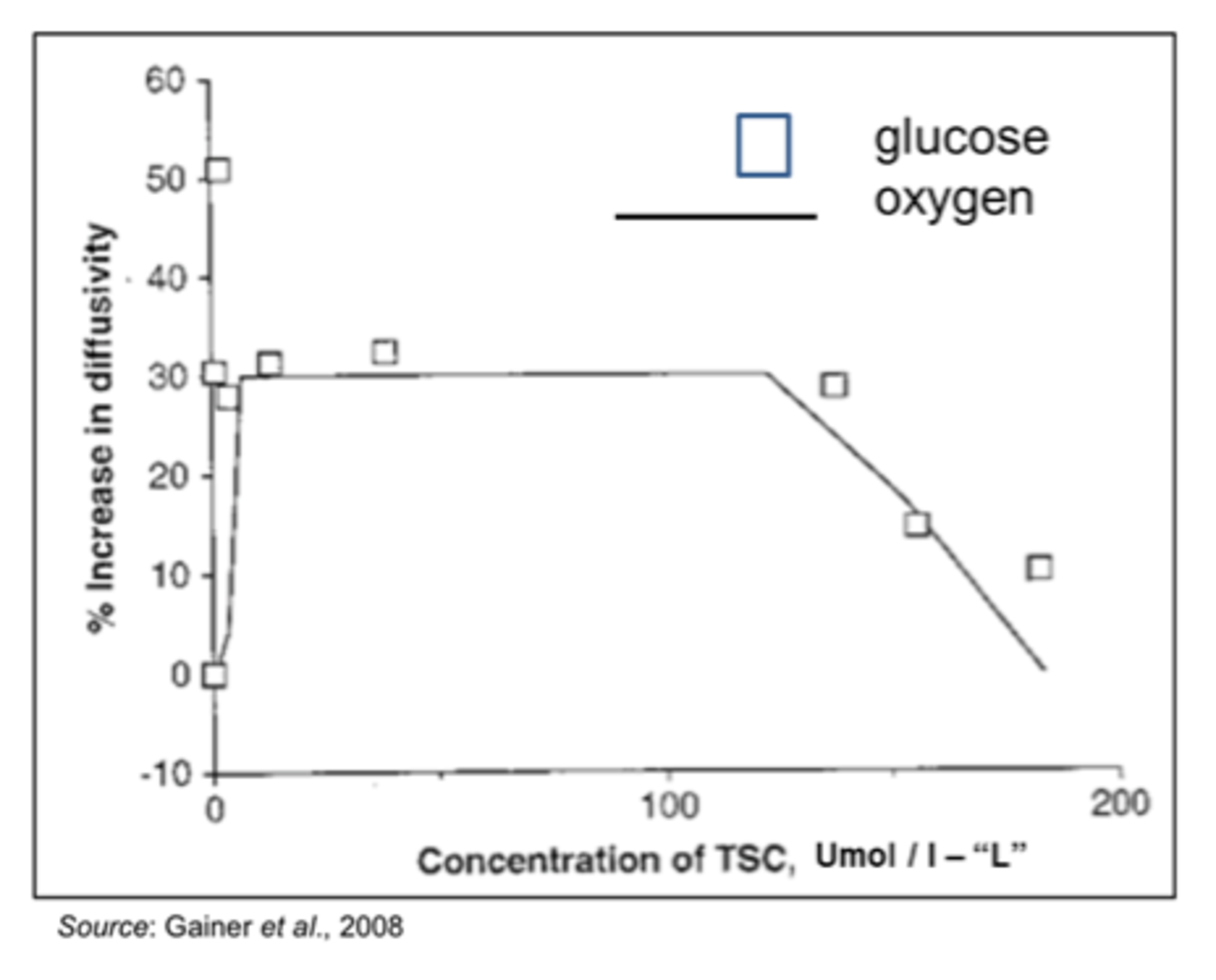
Stennett et al., 2007) have shown that TSC increases water structure and results in additional hydrogen bonds being formed per water molecule, which leads to an increase in the diffusivity. The results apply not just to oxygen, but to the diffusivity of any small molecule in plasma, as shown in the following figure where the addition of TSC results in the same percentage increase in diffusivity through water or plasma for oxygen and glucose.
Glioblastoma Multiforme
Glioblastoma multiforme (GBM) is the most aggressive of the category of tumors known as gliomas, which all arise from glia cells within the central nervous system. There are four grades of gliomas, with the highest grade, Grade 4 or GBM, being the most aggressive and the most common form in humans. Unfortunately, most patients with GBM don’t live much longer than one or two years, and this has not changed appreciably over the years. The reason these tumors are so difficult to treat is multi-dimensional and has to do with both the genetic make-up of the tumor (most GBM cells have multiple activating mutations and other genetic anomalies) as well as the way the tumors grow (they are highly infiltrative and arise in many different regions of the brain).
Current standard-of-care (SOC) treatment for GBM consists of surgery to resect as much of the tumor as possible followed by RT and chemotherapy (temozolomide, TMZ) to kill any tumor cells that were not removed through surgery. While some types of solid tumors can be cured surgically, this is very rare in GBM due to the diffuse nature of the tumor.
Phase 1/2 Clinical Trial of TSC in GBM
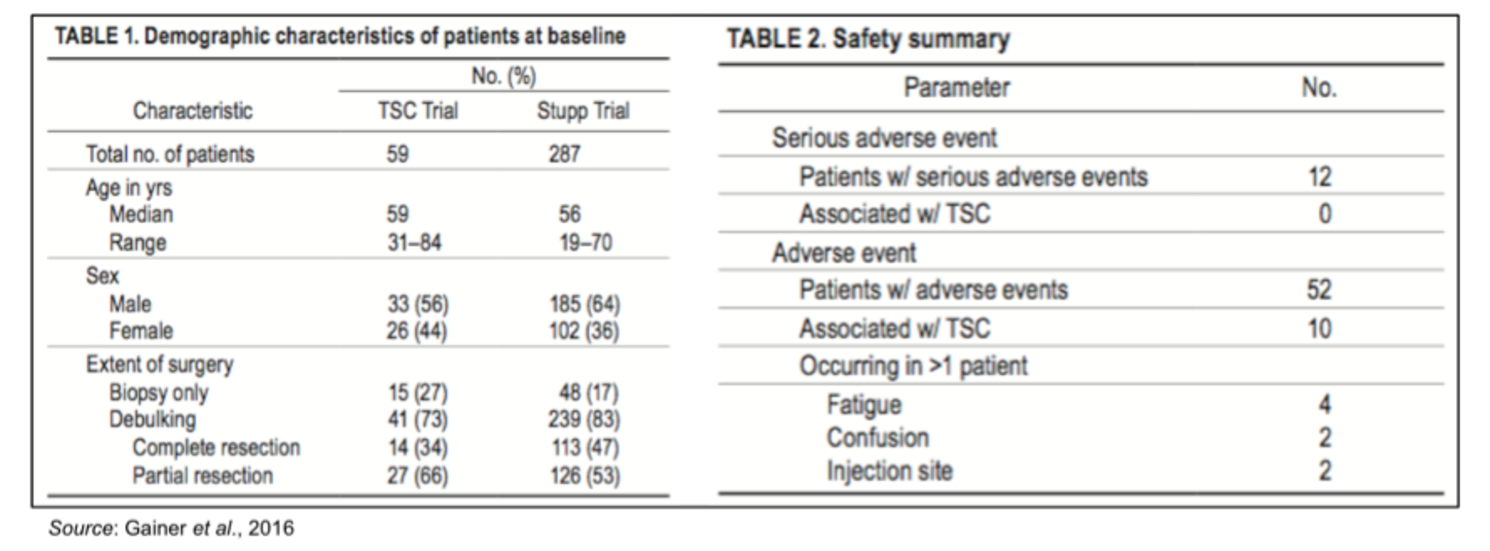
In the Phase 1 portion of the trial, TSC was initially administered three times per week at half-dose to three patients approximately 45 minutes prior to RT. Six additional patients received full dose TSC for six weeks in combination with RT. No dose-limiting toxicities were identified in the nine patients during the Phase 1 portion of the trial. Fifty additional patients were enrolled in the Phase 2 trial at full dose TSC in combination with RT and TMZ. Four weeks after completion of RT, all patients resumed TMZ for five days every four weeks, but no further TSC was administered. The results presented by Diffusion were in relation to a historical control group, which is from a 2005 study that showed the addition of TMZ to standard of care (surgery plus RT) increased overall survival from 12.1 months to 14.6 months (Stupp et al., 2005). The following tables give the demographics for study subjects along with the adverse event profile, which showed TSC to be very well tolerated as no patients experienced serious adverse events associated with TSC. Since the goal is for TSC to be added to the current standard of care in newly diagnosed GBM patients, the fact that it does not appear to increase the number of serious adverse events will help increase its acceptance by physicians if it is approved.
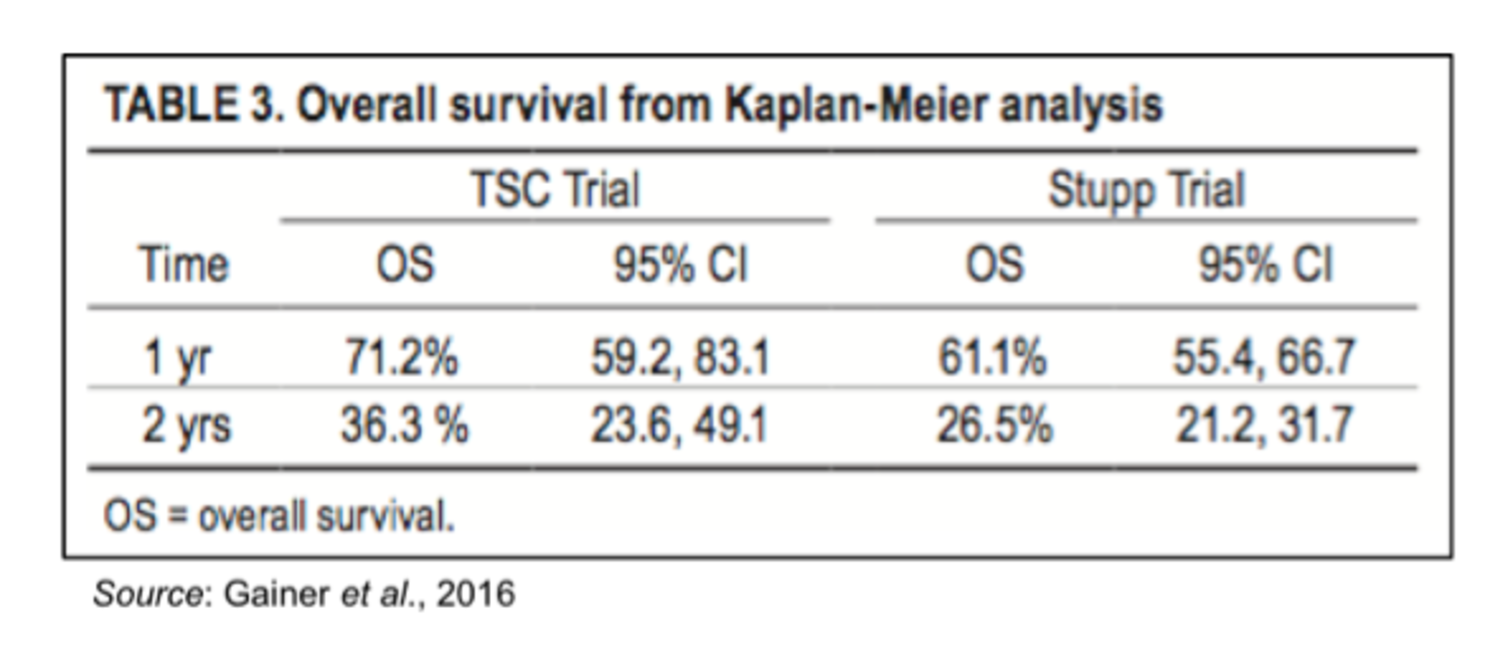
The primary objective of most studies involving GBM therapies is overall survival (OS), as it was for the Phase 1/2 trial. The following table shows that both the one-year and two-year survival rates were higher for patients treated with TSC than for those from the Stupp trial. Importantly, both of the survivals fell outside of the 95% confidence interval from the Stupp trial. While some could claim that this is due to an improvement in standard of care practices since the mid-2000’s when the Stupp trial took place, two recent clinical trials involving GBM patients showed two-year survival rates of approximately 30%, which were both within the 95% confidence interval from the Stupp trial (Chinot et al., 2014; Gilbert et al., 2014).
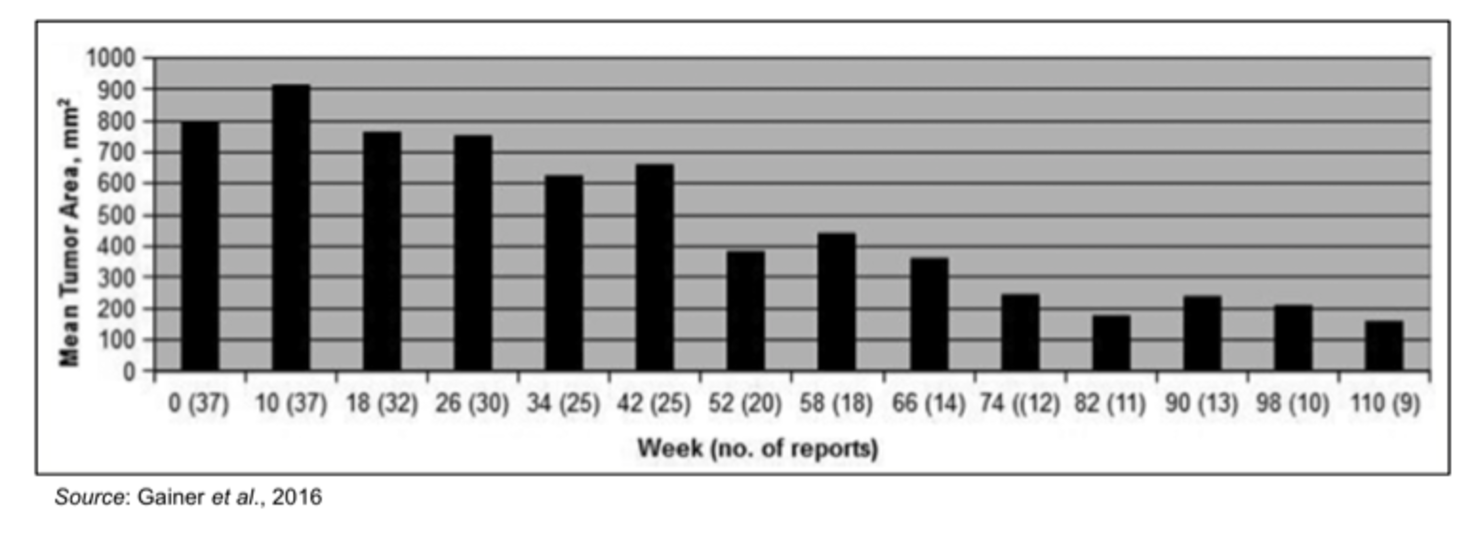
Of the 56 patients that received a full course of TSC, four did not live long enough to receive an MRI after baseline, one patient was censored, and 14 had complete tumor resection, leaving 37 patients with tumors that could be monitored over the course of the trial. The following graph shows the change in mean tumor area for the 37 patients in the study. Following an initial increase in mean tumor area at week 10, there is a steady decrease over the rest of the study.
This decrease could be due to the fact that fewer patients were analyzed as time went on, thus to mitigate the effect of patient deaths on this data set an analysis of each individuals tumor regression was performed following RT and TSC treatment. The following chart shows that of the 37 patients with tumors able to be monitored, 27 experienced tumor regression, with 11 (30%) patients having complete tumor regression! We have been unable to identify another publication that discusses tumor regression in GBM patients, thus it is difficult to put this data fully into context. Gainer et al. cite anecdotal evidence of a maximum regression of 25% typically seen with standard RT through discussions with those who administer RT to GBM patients, thus such a high percentage of patients experiencing complete tumor regression appears to be unprecedented. The manuscript does not discuss relapse rates or time to relapse for those with complete tumor regression.
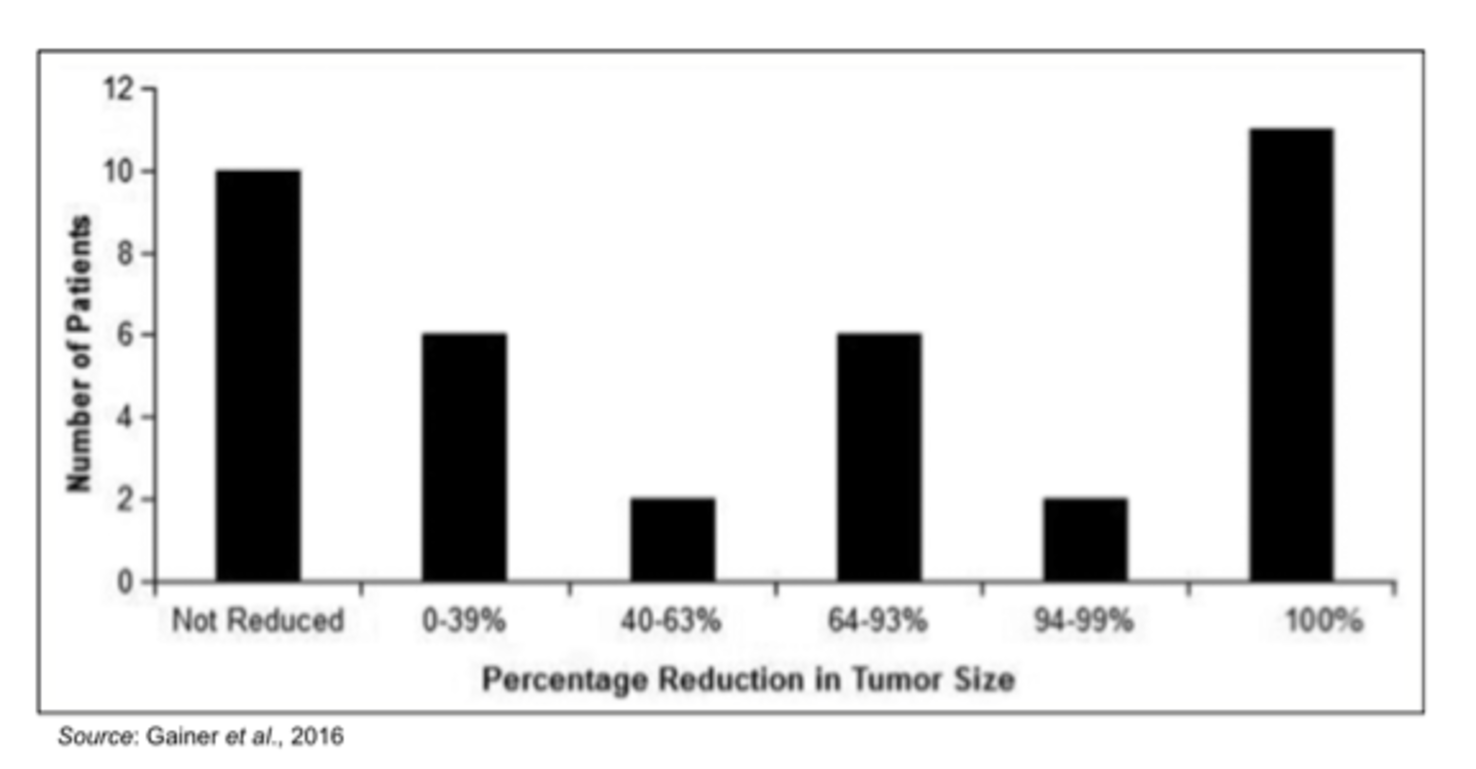
While it may seem contradictory that patients in the trial initially saw an increase in mean tumor size at 10 weeks (the median progression free survival for the trial was only 3.3 months) while so many experienced tumor regression, these results are likely the result of “pseudoprogression”, in which the progression of tumor growth seen on contrast MRI is not the result of actively growing tumor, but is instead the result of tumor tissue death and the subsequent swelling of necrotic tissue (Van Mieghem et al., 2013). The notion of pseudoprogression is new, and has only been noted since the introduction of the current standard of care regimen for GBM patients. For the TSC Phase 1/2 study, the fact that the average tumor area decreased at 18 weeks following an increase at 10 weeks indicates that pseudoprogression was most likely occurring in a large number of patients, as opposed to the presence of actively growing tumors.
The quality of life for patients was examined through the EORTC QLQ C30, a questionnaire that allows information to be gathered on three different aspects of a patients life: functionality, symptoms, and global health. As the following graph shows, both functionality and global health scores were consistently high during the study while symptom scores were consistently low. The number inside the parentheses on the x-axis shows the number of patients from which data was collected, while the number outside the parentheses represents the number of weeks. The number of patients with data does not necessarily correspond to the number of patients that were alive at each time period.
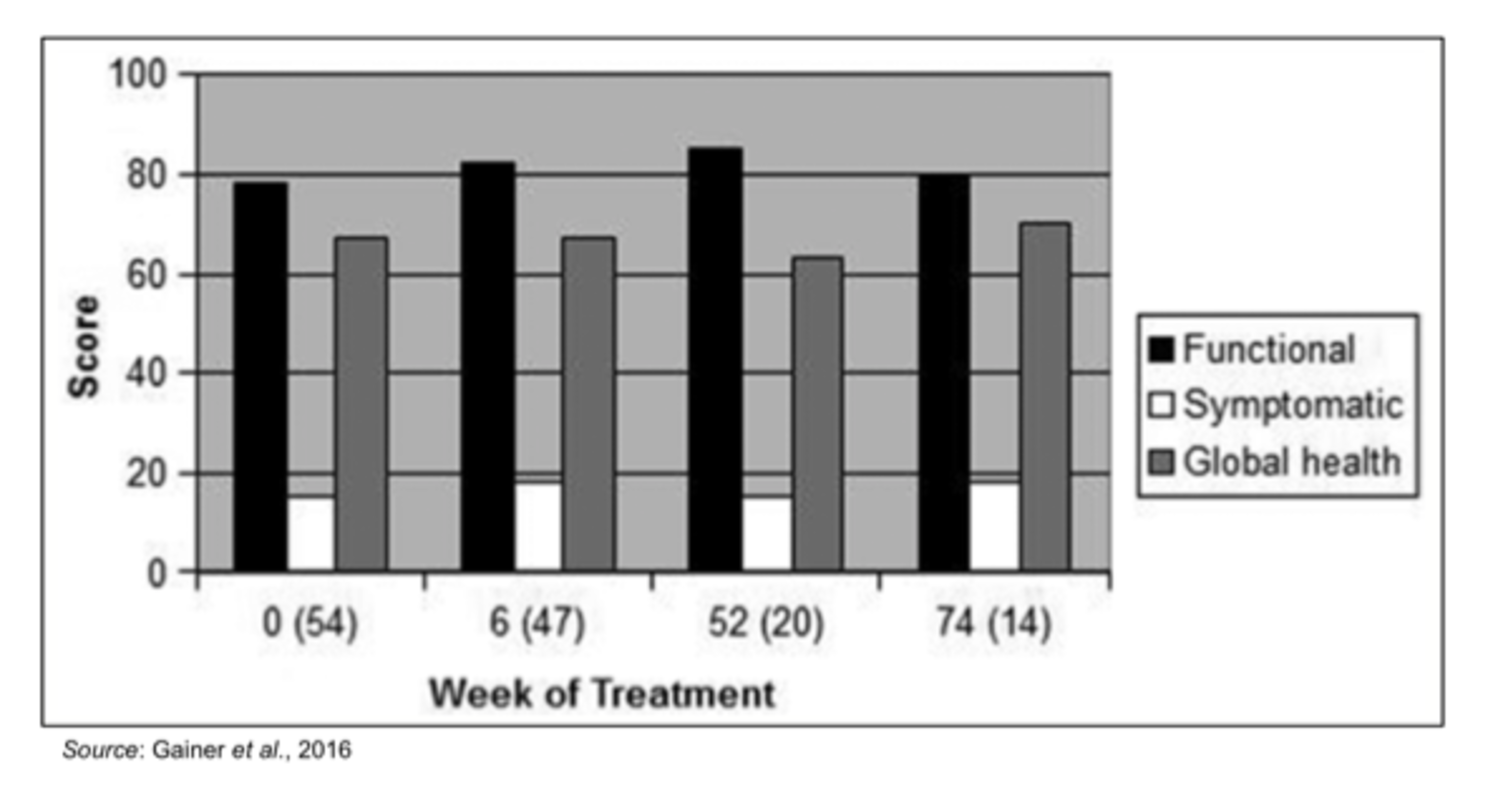
The results from the Phase 1/2 study of TSC in GBM patients are highly encouraging, as TSC was shown to have a robust safety profile and treatment with TSC led to tumor regression in a large number of patients. While there was no control arm in the trial, the results compare favorably to those seen in the trial that led to the current standard of care regimen for GBM patients, however a placebo controlled Phase 3 trial will be necessary in order to confirm those results.
Planning for Phase 3 Clinical Trial in GBM
In preparation for a Phase 3 clinical program for TSC in GBM, Diffusion held an end of Phase 2 meeting with the FDA. At the meeting, FDA guidance was received on the trial design for the Phase 3 program, that included:
- A single, successful trial could serve as the basis for an application for approval
- The trial will be randomized, placebo controlled, multi-center clinical
- The trial will consist of 400 newly diagnosed GBM patients with half given TSC in conjunction with standard of care RT and TMZ
- There is significant leeway to increase TSC dosing exposure based on the Phase 1/2 safety results and supporting toxicology, which means that TSC can be used for both the radiation + chemotherapy and subsequent chemotherapy-only phase of GBM treatment
One of the major differences between the Phase 3 trial and the Phase 1/2 trial is the addition of TSC doses during chemotherapy. In the Phase 1/2 trial, TSC was only given prior to radiation (18 doses total), however in the Phase 3 study, the company is planning to give the patients 36 total doses of TSC, 18 in conjunction with radiation and 18 in conjunction with chemotherapy. The following figure gives a graphical representation of the Phase 3 trial.
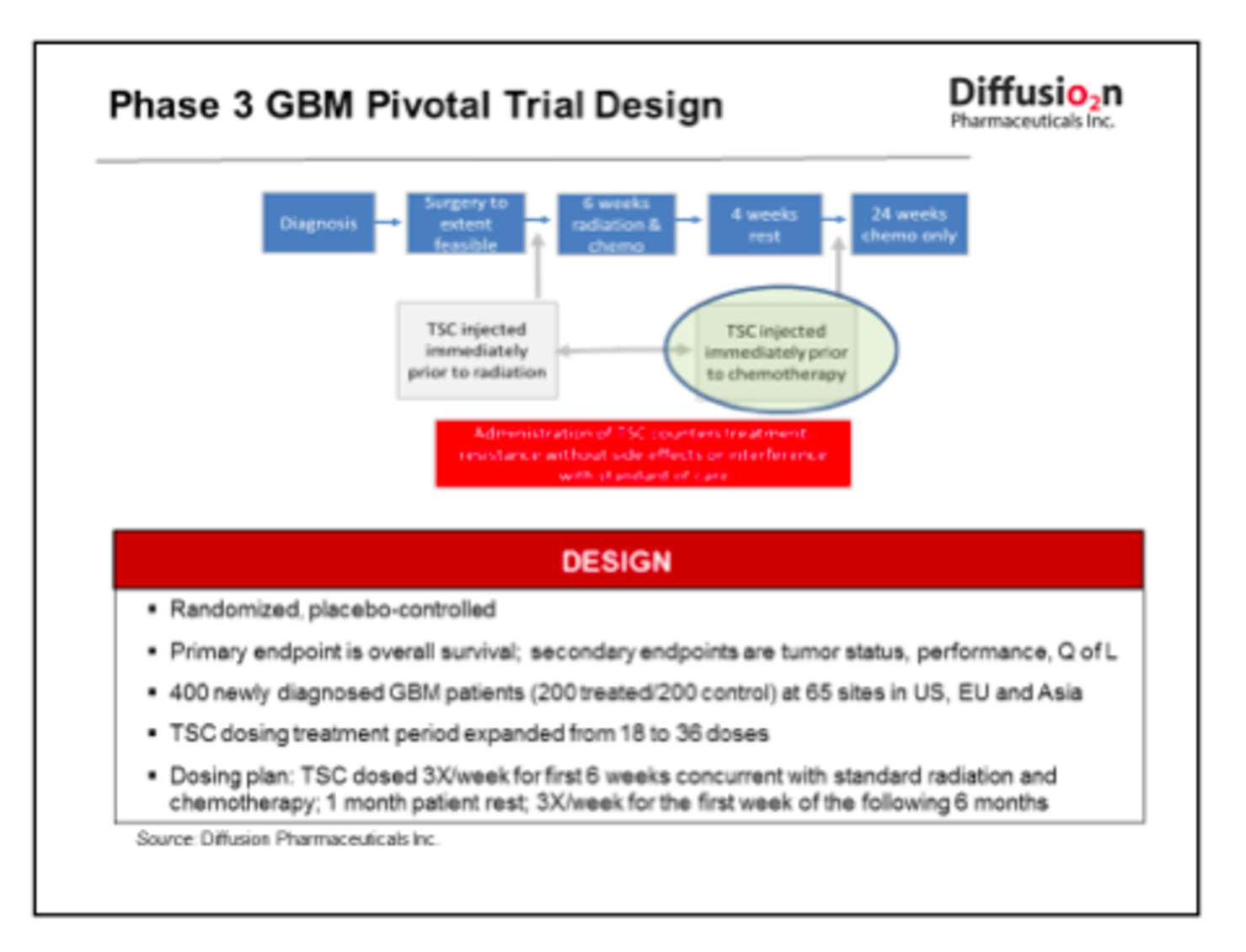
Since the company is increasing the planned number of doses of TSC from 18 to 36, an expanded toxicology study has been performed and the results will be submitted to the FDA soon. In addition, a Chemistry, Manufacturing, and Controls (CMC) amendment will be submitted describing the cGMP production of TSC. We are confident that both of these issues will be taken care of by the company in a timely manner such that the first patient can be dosed in the Phase 3 trial in the first half of 2017. The primary endpoint of the study is overall survival, and we expect topline results to be available in the first half of 2020.
TSC for Pancreatic Cancer
Pancreatic cancer is responsible for 7% of all cancer deaths in both men and women, making it the fourth leading cause of cancer death in the U.S. (American Cancer Society). Due to differences in locations of the tumors and their proximity to nearby blood vessels, only 20% of cases are eligible for surgery. Of the tumors that are surgically resected, 80% of those patients will still develop metastatic disease within two to three years following surgery (Daniel et al., 2008). For those with pancreatic cancer that cannot be surgically removed, the median overall survival is 10 to 14 months. For those with Stage IV disease (meaning the cancer has metastasized), the 5-year survival rate is just 1%.
Gemcitabine is the SOC chemotherapy agent for metastatic pancreatic cancer. The FDA has approved its use in combination with two other chemotherapeutic agents: erlotinib (Tarceva®) and nab-paclitaxel (Abraxane®). FOLFIRINOX (leucovorin + 5-fluorouracil + oxaliplatin + irinotecan) is a combination regimen that significantly improved overall survival compared to treatment with gemcitabine (11.1 months vs. 6.8 months) (Conroy et al., 2011). However, treatment with FOLFIRINOX is accompanied by serious adverse events, and for that reason is only recommended for the healthiest patients. Onivyde® (irinotecan liposome injection) was approved by the FDA in 2015 in combination with fluorouracil and leucovorin to treat patients with metastatic pancreatic cancer who failed treatment with gemcitabine-based chemotherapy. In the pivotal clinical trial, patients treated with Onivyde® plus fluorouracil/leucovorin lived an average of 6.1 months, compared to 4.2 months for those treated with only fluorouracil/leucovorin.
In 2016, approximately 49,000 people will be diagnosed with pancreatic cancer in the U.S. More than half of these patients will be diagnosed with metastatic disease. As previously noted, the 5-year survival rates for patients with pancreatic cancer are dismal (<14%) and are particularly bad for those with metastatic disease (~1%), thus indicating the need for more effective treatment options for these patients.
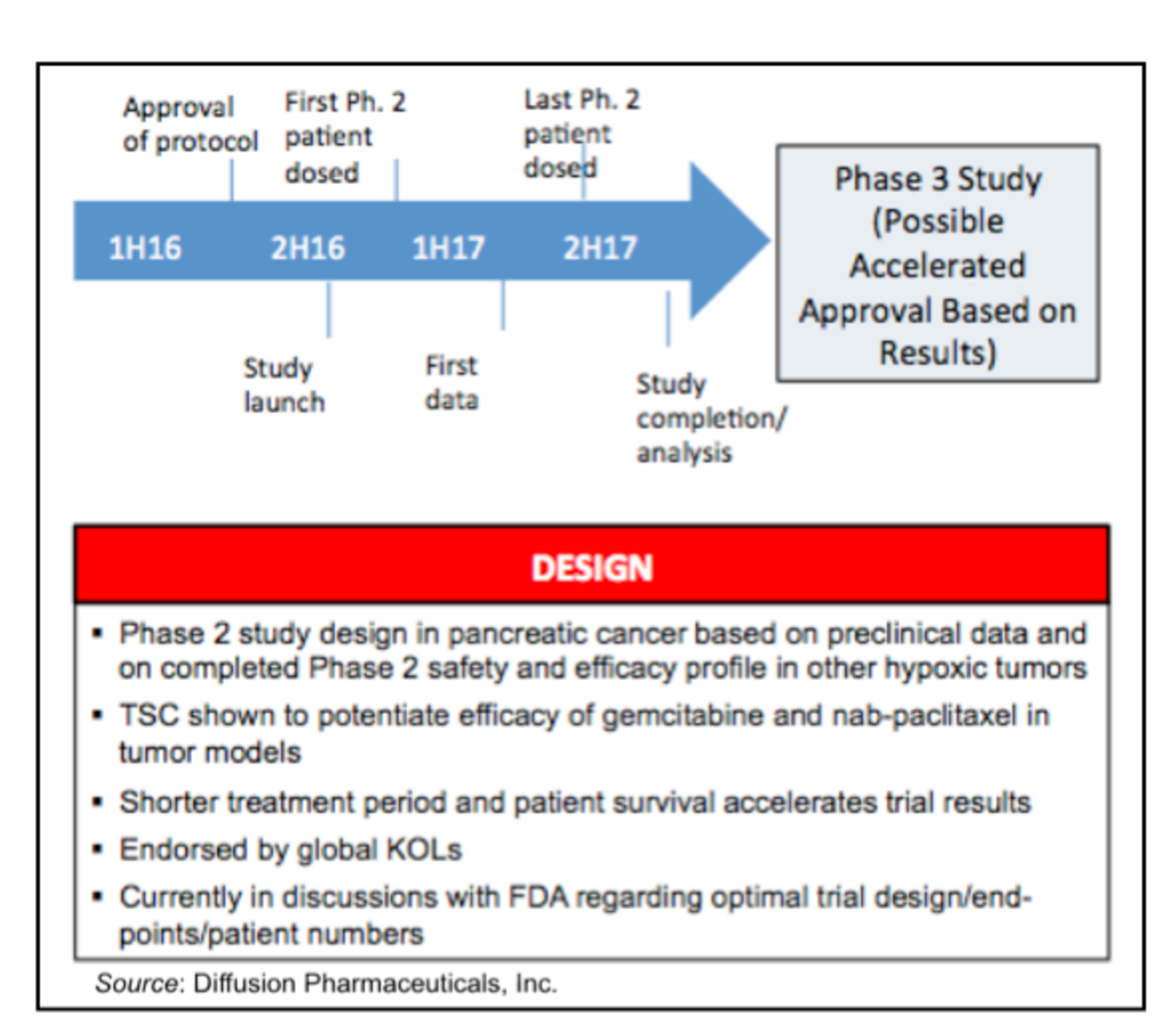
The Phase 2 clinical trial for TSC in pancreatic cancer is based on the successful Phase 1/2 clinical trial in GBM as well as the fact that pancreatic tumors are usually highly hypoxic. Global experts in the field of pancreatic cancer agree that pancreatic cancer is the most appropriate target for expansion of the use of TSC, and a clinical advisory board of these key opinion leaders has been assembled to facilitate the pancreatic cancer clinical trial. The company is currently continuing discussions with the FDA regarding trial design/end-points/patient numbers. The figure below gives an overview of the proposed study.
TSC for Brain Metastases
Metastatic brain cancer occurs when a primary tumor spreads to the brain. Primary brain cancers, such as GBM, are relatively rare, however metastatic brain tumors are much more common and represent a life-threatening complication for many different types of cancer. Up to 30% of adult cancer patients will suffer from brain metastases (Norden et al., 2005). While an exact figure is difficult to determine, it is estimated that 170,000 cases of metastatic brain cancer occur every year in the U.S. Lung cancer is the type of cancer most likely to metastasize to the brain, followed by kidney and skin cancer (Schouten et al., 2002). Just as with primary brain cancers, the prognosis for patients with brain metastases is very grim. Median overall survival for those with brain metastases is less than one year (Sundström et al., 1998).
The most pressing issue for patients with brain metastases is getting symptoms under control, which are typically brought on by the presence of a tumor putting pressure on the surrounding region of the brain. Symptoms can include headaches, speech difficulties, seizures, and visual disturbances. Corticosteroids are often used to control swelling and anti-epileptic medications are given to prevent the recurrence of seizures. Surgery can be performed if the tumor is located in a portion of the brain that allows it. Whole brain radiation therapy is utilized for most patients, however it is most effective for those with primary tumors that are more sensitive to it, such as lung and breast cancer. Chemotherapy is used sparingly due to the inability for the vast majority of those drugs to cross the blood-brain barrier in sufficient quantities to be effective. There are currently no FDA-approved medications for the treatment of brain metastases.
Plans for TSC Phase 2/3 Clinical Trial in Metastatic Brain Cancer
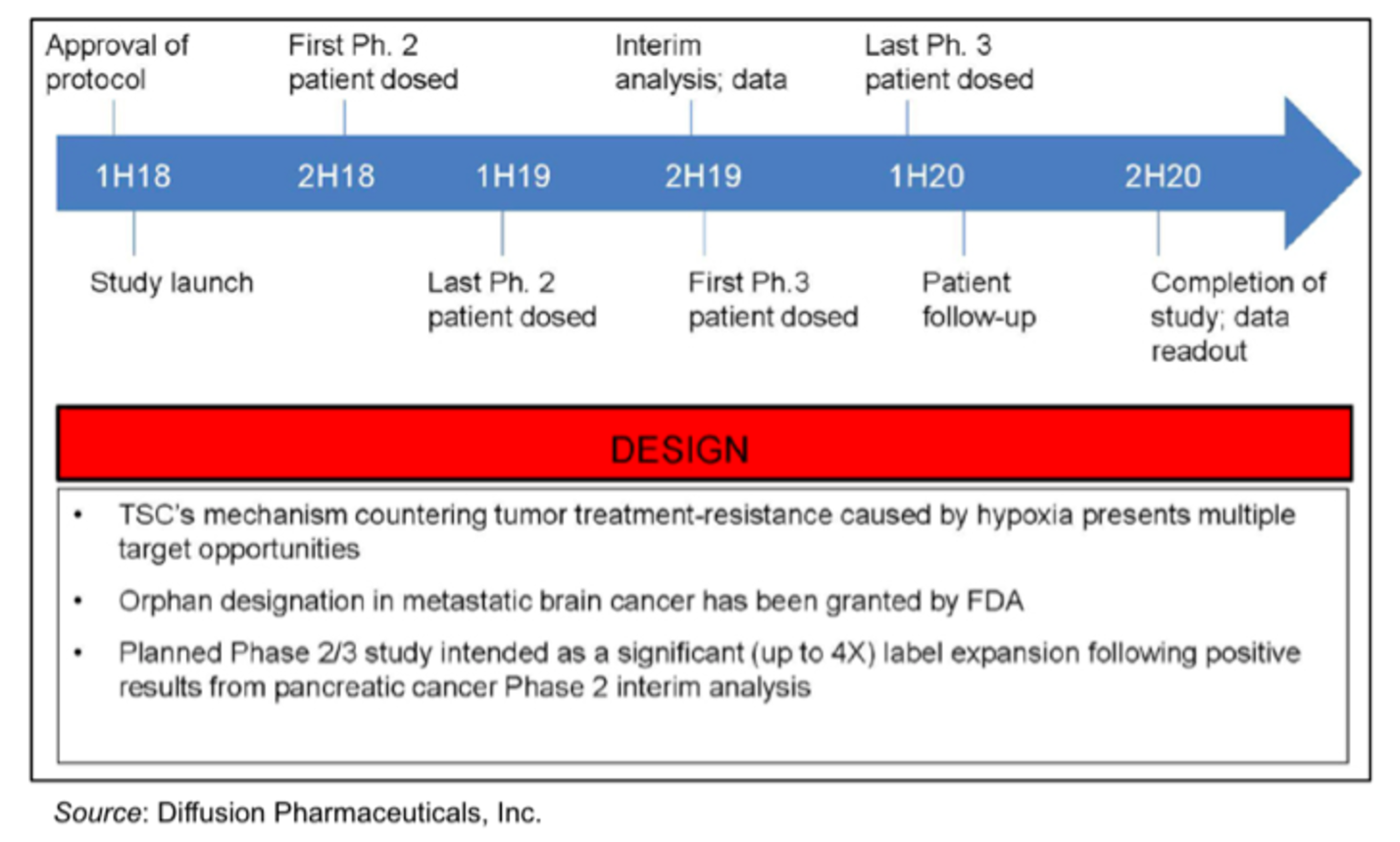
Diffusion is planning to utilize a Phase 2/3 clinical trial in metastatic brain cancer as a means of expanding the label significantly (4X). We anticipate the first patient being dosed in the Phase 2/3 metastatic brain cancer trial in the second half of 2018, an interim analysis to take place in 2019, and the data to be available in the second half of 2020. A timeline of expected events is shown below.
TSC for Hypoxia Driven Emergencies
TSC was originally developed to be a treatment for hypoxia-related conditions, such as atherosclerosis and hemorrhagic shock, and while Diffusion has decided to focus on TSC as a cancer therapeutic, the ability to utilize TSC in various hypoxia-related indications remains. In support of this, the company recently announced that a patent entitled “Bipolar Trans Carotenoid Salts and Their Uses” was allowed by the U.S. Patent and Trademark Office. The patent application, which is expected to issue in the second half of 2016, expands intellectual property protection for the use of TSC to five hypoxia-related conditions including congestive heart failure, chronic renal failure, acute lung injury, chronic obstructive pulmonary disease, and respiratory distress syndrome.
Diffusion will be presenting an abstract at the American College of Emergency Physicians Research Forum entitled “Trans Sodium Crocetinate: A Novel Kosmotropic Molecule that Enhances Oxygen Diffusion in the Treatment of Hypoxia Driven Medical Emergencies”, which highlights the ability of TSC to act as a life-saving therapeutic to reverse hypoxia in a number of medical emergencies, including hemorrhagic stroke, myocardial infarction, and stroke. While the company is not currently pursuing the development of TSC in hypoxia-driven conditions, this data highlights the fact that additional developmental opportunities for TSC may exist in the future.
Financial Update
On August 15, 2016, Diffusion announced financial results for the second quarter of 2016. The company reported a net loss of $3.8 million, or $0.04 per share, which included $1.4 million in R&D expenses and $2.3 million in G&A expenses. Total cash burn during the second quarter was $2.9 million, and the company exited the second quarter with approximately $3.0 million in cash and cash equivalents. We estimate this will be enough to fund operations into the fourth quarter of 2016. The company is currently exploring various financing options in order to fund the planned Phase 3 clinical trial in GBM and the Phase 2 clinical trial in pancreatic cancer. We estimate that the Phase 3 GBM trial will cost approximately $50 million to conduct.
As of June 30, 2016, the company had approximately 103.5 million common shares outstanding. On August 18, 2016, Diffusion announced a 10-for-1 reverse stock split in preparation for uplisting to the Nasdaq. Following the reverse split, we estimate the company has approximately 10.4 million shares outstanding, along with 0.21 million shares for convertible debt, 0.46 million warrants, 1.8 million stock options, and 0.01 unvested restricted stock awards for a fully diluted share count of approximately 12.8 million shares. We believe that the planned uplist to the Nasdaq will increase the company’s financing abilities and help to attract new investors to the story.
Valuation
Diffusion’s valuation is derived from a risk-adjusted discounted cash flow model that takes into account potential future revenues from the sale of TSC in GBM, pancreatic cancer, and brain metastases. For all indications we assume that the company will partner and receive 15% royalties on net sales.
For GBM, we model for the Phase 3 trial to initiate in 2017, a new drug application (NDA) to be filed in 2021, and approval in 2022. If successful, we believe TSC would quickly be incorporated into standard of care for newly diagnosed patients. Using these assumptions the company would likely attain a sizeable share of the market (perhaps up to 75-80% peak market share), which would lead to worldwide sales of approximately $900 million. Applying a 15% discount rate and a 60% probability of approval leads to a net present value for TSC in GBM of $101 million.
For pancreatic cancer, we model for the Phase 2 trial to initiate in 2017, an NDA filing in 2021, and approval in 2022. Just as with GBM, if TSC proves to be successful when added to the standard of care for pancreatic cancer, we believe the company could attain peak market share of up to 50%. We model for this to translate into peak sales of approximately $1.5 billion worldwide. Applying a 15% discount rate and a 33% probability of success leads to a net present value for TSC in pancreatic cancer of $154 million.
For brain metastases, we model for a Phase 2/3 trial to initiate in 2019, an NDA filing in 2022 and approval in 2023. The brain metastases market is much larger than for primary brain cancer like GBM, thus even a 20% market share would lead to peak worldwide revenues of approximately $4 billion. Applying a 15% discount rate and a 33% probability of success leads to a net present value for TSC in brain metastases of $187 million.
Combing the net present value for each of the company’s development programs along with current cash total and expected burn of $50 million leads to a net present value for the company of approximately $395 million. Following the reverse split, we estimate that the company will have a fully diluted share count of approximately Dividing that by the current fully diluted share count of 12.8 million shares, to which we add an additional five million shares to account for dilution, leads to a valuation of approximately $22 per share. The stock is currently trading at a significant discount to this valuation, and as more investors become aware of the potential for TSC, we believe the share price will increase to be more in alignment with our valuation.
For a free copy of the full research report, please email scrinvestors@zacks.com with DFFND as the subject.
SUBSCRIBE TO ZACKS SMALL CAP RESEARCH to receive our articles and reports emailed directly to you each morning. Please visit our website for additional information on Zacks SCR and to view our disclaimer.