By
David Bautz, PhD
NASDAQ:BCLI
READ THE FULL BCLI RESEARCH REPORT
Business Update
Two Abstracts to be Presented at AAN Annual Meeting
On March 28, 2019, BrainStorm Cell Therapeutics, Inc. (NASDAQ:BCLI)
announced that two abstracts have been selected for presentation at the 71st American Academy of Neurology (AAN) Annual Meeting, which is being held May 4-10, 2019. The presentations focus on biomarker correlations with clinical outcomes in the phase 2 study and the genetic characterization of neurotrophic factor production in NurOwn®, one of which was selected for oral presentation during the ‘Emerging Science Session’. Details of the presentations are below:
“Modulation of CSF Caspase-3 in MSC-NTF Cells (NurOwn®) in a Phase 2 ALS Study: Correlations with CSF Biomarkers and Clinical Response”
May 7, 2019; 12:15pm – Oral data blitz – Emerging Science Session
“Molecular Characterization of VEGF Secretion by MSC-NTF Cells (NurOwn®): Therapeutic Implications in ALS”
May 9, 2019; 11:30am – 6:30pm: poster session P5
Hospital Exemption Application Approved
On March 13, 2019, BrainStorm Cell Therapeutics, Inc. (BCLI) held a conference call to announce that the Israeli Ministry of Health has approved the company’s application for the Hospital Exemption (HE) program, which will allow for the treatment of 13 amyotrophic lateral sclerosis (ALS) patients with NurOwn®. The HE program is a regulatory pathway in Israel that allows for companies to partner with medical centers in Israel to allow for patients to receive benefit from custom-made, innovative, treatments where there is a critical unmet need and an absence of valid therapeutic alternatives. The patients to be treated were selected based on separate inclusion/exclusion criteria than is being used for the ongoing Phase 3 trial of NurOwn® in ALS. We anticipate the company providing updates on these patients as warranted.
Enrollment in Phase 3 ALS Study Continuing
BrainStorm is continuing to enroll patients in the Phase 3 clinical trial of NurOwn® (
NCT03280056) for the treatment of ALS. The trial is taking place at six leading U.S. Medical centers. It is a randomized, double blind, placebo controlled, multi-dose trial that is expected to enroll approximately 200 patients randomized 1:1 to NurOwn® or placebo. Cells will be extracted from each patient one time prior to treatment, with all administrations of NurOwn® derived from the same extraction of cells thanks to a cryopreservation process developed for long-term storage of mesenchymal stem cells (MSC). As in previous studies, there will be a 3-month run-in period prior to the first treatment with two additional NurOwn® treatments occurring two and four months following the first treatment. The primary outcome of the study is the ALSFRS-R score responder analysis.
The company is focusing the trial on faster-progressing ALS patients since these patients demonstrated superior outcomes in the Phase 2 trial of NurOwn®. According to the company, approximately 50-60% of ALS patients could be considered “fast progressors”, defined as those who lose at least one point per month in the ALSFRS-R score during the pretreatment run-in period, thus there is a large group of patients that could potentially be included in the trial.
The company has contracted with City of Hope’s Center for Biomedicine and Genetics to produce clinical supplies of NurOwn® for all of the centers participating in the Phase 3 trial. The company previously
announced that the Connell and O’Reilly Families Cell Manipulation Core Facility at Dana-Farber Cancer Institute will serve as a second manufacturing facility. Dana Farber was previously used as a manufacturing facility of NurOwn® in the Phase 2 trial. In addition to supplying NurOwn® for the ongoing Phase 3 trial, we believe the Dana Farber facility will likely be used to manufacture NurOwn® for any additional clinical indications the company decides to pursue.
We estimate that the trial will be fully enrolled by the middle of 2019 and that topline results will be available in the middle of 2020.
First Patient Dosed in Phase 2 Trial in Progressive MS
On March 14, 2019, BrainStorm
announced that the first patient has been enrolled in the Phase 2 trial of NurOwn® in progressive multiple sclerosis (MS) (
NCT03799718). This will be an open-label, multicenter trial that is expected to enroll approximately 20 patients. The primary outcome of the trial is safety with a key secondary endpoint examining the change in 25-foot walking speed from baseline. The 25-foot walk test is a clinically meaningful outcome measure to determine improvements in patients with MS (
Hobart et al., 2013).
Multiple Sclerosis
MS is a chronic autoimmune, inflammatory disease that affects axons in the central nervous system (CNS). Axons are long, slender projections of nerve cells (neurons) that conduct electrical impulses that transmit information to different neurons, muscles, and glands. Axons are typically insulated with a protective sheath called myelin, which facilitates the proper conductance of nerve signals. When the myelin sheath is damaged there is interference in the communication between the brain, spinal cord, and other areas of the body. This process may also lead to the deterioration of the nerve cells themselves, a condition that is not reversible.
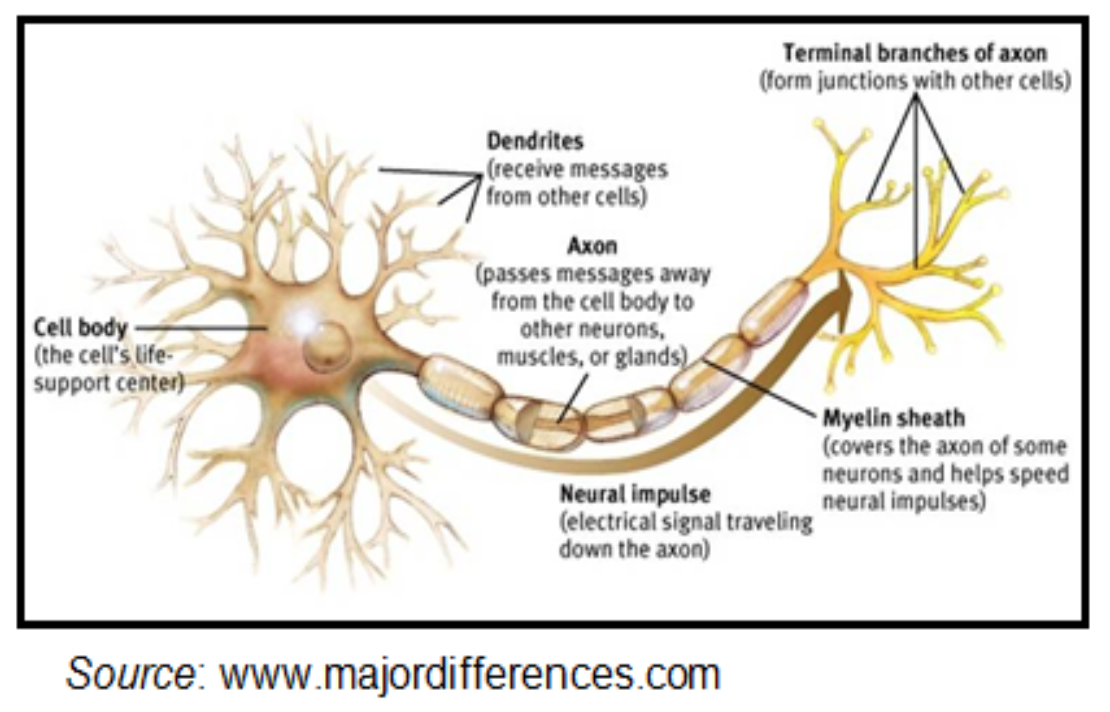 View Exhibit I
There is no single diagnostic test for MS, with diagnosis based on the following criteria: 1) at least two different lesions in the white matter of the CNS, 2) at least two different episodes in the disease course, and 3) chronic inflammation of the CNS as determined by analysis of the cerebrospinal fluid (CSF). Having one or more of these criteria allows a general diagnosis of MS.
The course of the disease is characterized by the following patterns:
•
Primary progressive (PPMS): Characterized by disease progression from the onset with occasional plateaus and temporary minor improvements. It makes up approximately 10 percent of cases at onset. Patients typically experience a steady decline in function from the beginning and never have acute attacks. Ocrevus® (ocrelizumab) was recently approved by the FDA for the treatment of primary progressive MS.
•
Relapsing remitting (RRMS): Relapsing-remitting MS is characterized by clearly defined relapses with partial or full recovery. There is no disease progression during the periods between relapses. This type of MS accounts for approximately 85 to 90 percent of MS cases at onset. However, most patients will then progress into the secondary progressive phase.
•
Secondary progressive (SPMS): Characterized by an initial relapsing-remitting phase followed by progression with or without occasional relapses, minor remissions, and plateaus. Studies suggest that approximately 50% of patients with relapsing-remitting MS will go on to develop secondary progressive MS.
There are a host of symptoms associated with MS depending on the location of the affected nerves. Symptoms can include:
‣
Optic neuritis: This is the most common type of involvement of the visual pathways. It typically presents as acute eye pain that is followed by variable vision loss affecting mainly central vision.
‣
Sensory symptoms: These are common in almost every MS patient at some time during the course of the disease. Symptoms include decreased light touch perception, numbness, tingling, pins-and-needles, and swelling of the limbs or trunk.
‣
Vertigo: A relatively common symptom of MS as it is reported in approximately 30 to 50 percent of patients.
‣
Tingling or pain in different parts of the body: Pain is a common symptom in patients with MS, with many different types of pain reported such as dysesthetic pain (unpleasant, abnormal sense of touch), back pain, and Lhermitte’s sign (an electrical sensation that runs down the back and into the limbs).
‣
Extreme fatigue: typically described as physical exhaustion that is unrelated to the amount of activity performed. Many patients complain of feeling exhausted when waking up, even after a good night’s rest.
‣
Bowel/bladder/sexual function: It is very common for patients with MS to have problems with constipation, urinary incontinence, and sexual dysfunction.
‣
Problems with memory or concentration: cognitive dysfunction is rare and is usually only encountered in severely affected individuals, however a larger number of MS patients have cognitive impairment that includes problems with abstract conceptualization, short-term memory, attention, and speed of information processing.
Progressive MS Treatment
The FDA has recently approved two new therapies for patients with active SPMS. On Mar. 27, 2019, Novartis announced that Mayzent® (siponimod) was approved and on Mar. 29, 2019, Merck KGaA announced that the FDA approved MAVENCLAD® (cladribine). Each drug is also approved for RRMS. Ocrevus® (ocrelizumab) was approved by the FDA in March 2017 for PPMS (it is also approved for RRMS but not for SPMS) and generated revenues of $2.4 billion in 2018 (EvaluatePharma), which shows the potential for a successful treatment for progressive MS. Since approximately 50% of patients with RRMS will go on to develop SPMS, all of the medications used to treat RRMS can be used in patients who progress to SPMS. The only other FDA approved treatment for SPMS (Novantrone®; mitoxantrone) is used sparingly, as the cumulative lifetime dose is limited to 2-3 years due to the potential for cardiotoxicity.
Financial Update
On March 29, 2019, BrainStorm filed form 10-K with financial results for 2018. As anticipated, the company did not report any revenues during 2018. R&D expenses totaled $8.3 million in 2018 compared to $1.0 million in 2017. Those amounts included grants from both the Israel Innovation Authority (IIA) and the California Institute for Regenerative Medicine (CIRM), which were recorded as offsets to R&D expenses. Grants from the IIA totaled $1.8 million in 2018 and $1.4 million in 2017 while the CIRM grant offset $6.3 million in 2018 and $4.4 million in 2017. Without accounting for the IIA and CIRM grants, R&D expenses were $16.3 million in 2018 compared to $6.8 million in 2017. The increase was primarily due to costs related to the Phase 3 clinical trial along with increased payroll and stock-based compensation expenses. G&A expenses were $5.8 million in 2018 compared to $4.0 million in 2017. The increase was primarily due to an increase in payroll costs and stock-based compensation. Net loss was $13.9 million, or $0.70 per share, in 2018 compared to $5.0 million, or $0.26 per share, in 2017.
BrainStorm exited 2018 with approximately $7.0 million in cash and cash equivalents. This does not include the remainder of the CIRM grant, which is approximately $7.0 million. Importantly, the company has sufficient capital to fund operations past the data readouts for the ongoing ALS and MS clinical trials.
As of March 28, 2019, BrainStorm had approximately 21.5 million shares of common stock and when factoring in stock options and warrants a fully diluted share count of 27.6 million.
Conclusion
BrainStorm is continuing to show it is at the forefront of stem cell technology and its application to neurological disorders with additional presentations upcoming at AAN. In addition, the initiation of the Phase 2 trial in MS signifies NurOwn® as a platform technology that is applicable to multiple neurodegenerative diseases. Thus, we continue to be baffled by the company’s sub-$100 million valuation, which we do not believe accurately reflects the potential for NurOwn®.
Not only is BrainStorm undervalued based on the fact it is in Phase 3 testing with a product with a solid safety and efficacy record targeting a potential billion-dollar market, but on a comparative basis as well. We feel that an interesting valuation comparison can be made with Marker Therapeutics (MRKR), which uses autologous, non-engineered T cells to treat cancer. We believe this is similar to NurOwn® in that it uses the patient’s own cells with no genetic modification. Marker is currently in Phase 2 testing for its cell therapy product and has a valuation of $300 million, or approximately 3x BrainStorm’s current valuation.
BrainStorm has all the pieces in place to be successful, including a world-class management team, sufficient capital to complete the Phase 3 ALS study, and a data readout next year for an additional indication for NurOwn®. We estimate that if successful NurOwn® could attain peak sales of $500 million in MS alone, while in ALS we believe sales of $1 billion are possible. Our valuation for BrainStorm is currently $17.
SUBSCRIBE TO ZACKS SMALL CAP RESEARCH to receive our articles and reports emailed directly to you each morning. Please visit our website for additional information on Zacks SCR.
DISCLOSURE: Zacks SCR has received compensation from the issuer directly or from an investor relations consulting firm, engaged by the issuer, for providing research coverage for a period of no less than one year. Research articles, as seen here, are part of the service Zacks provides and Zacks receives quarterly payments totaling a maximum fee of $30,000 annually for these services. Full Disclaimer HERE.