By
David Bautz, PhD
NASDAQ:CERC
READ THE FULL CERC RESEARCH REPORT
Cerecor, Inc. (NASDAQ:CERC) is a fully integrated biopharmaceutical company with commercial operations intended to support the development of a pipeline of therapies targeting neurology, pediatric, and orphan indications. The neurology pipeline is led by CERC-301, which is currently in a Phase 1 clinical trial in patients with neurogenic orthostatic hypotenstion (nOH). The rare pediatric orphan pipeline consists of CERC-801, CERC-802, and CERC-803, each of which is intended to treat inherited metabolic disorders as substrate replacement therapies. The commercial group markets prescribed dietary supplements and prescribed drugs.
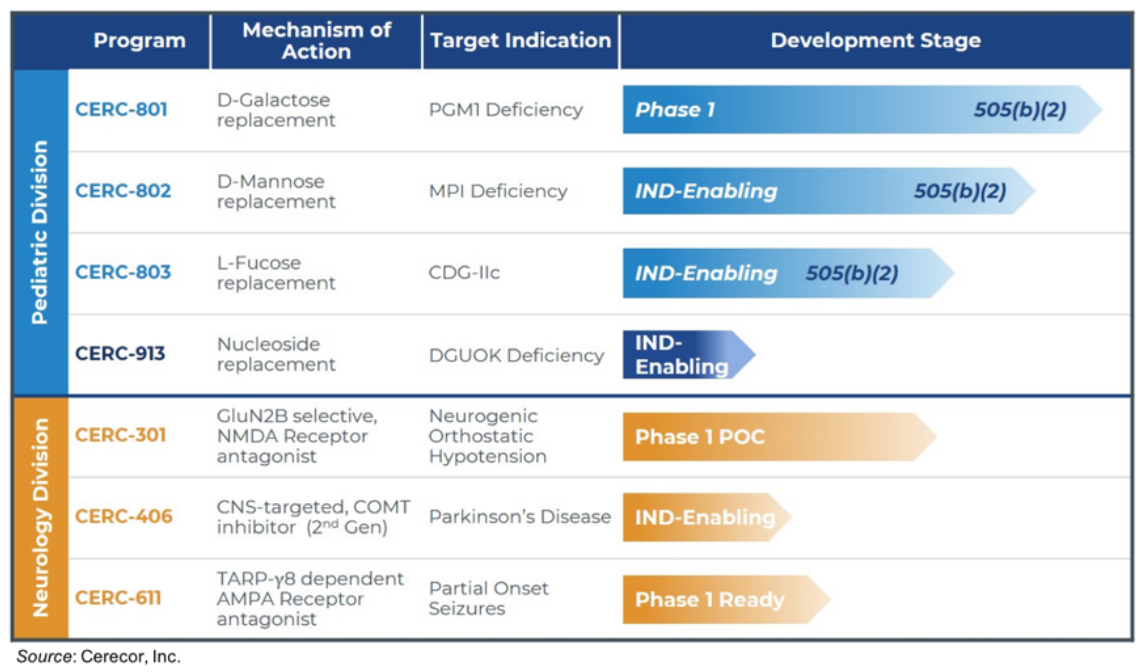 View Exhibit IBusiness Update
CERC-301 Update
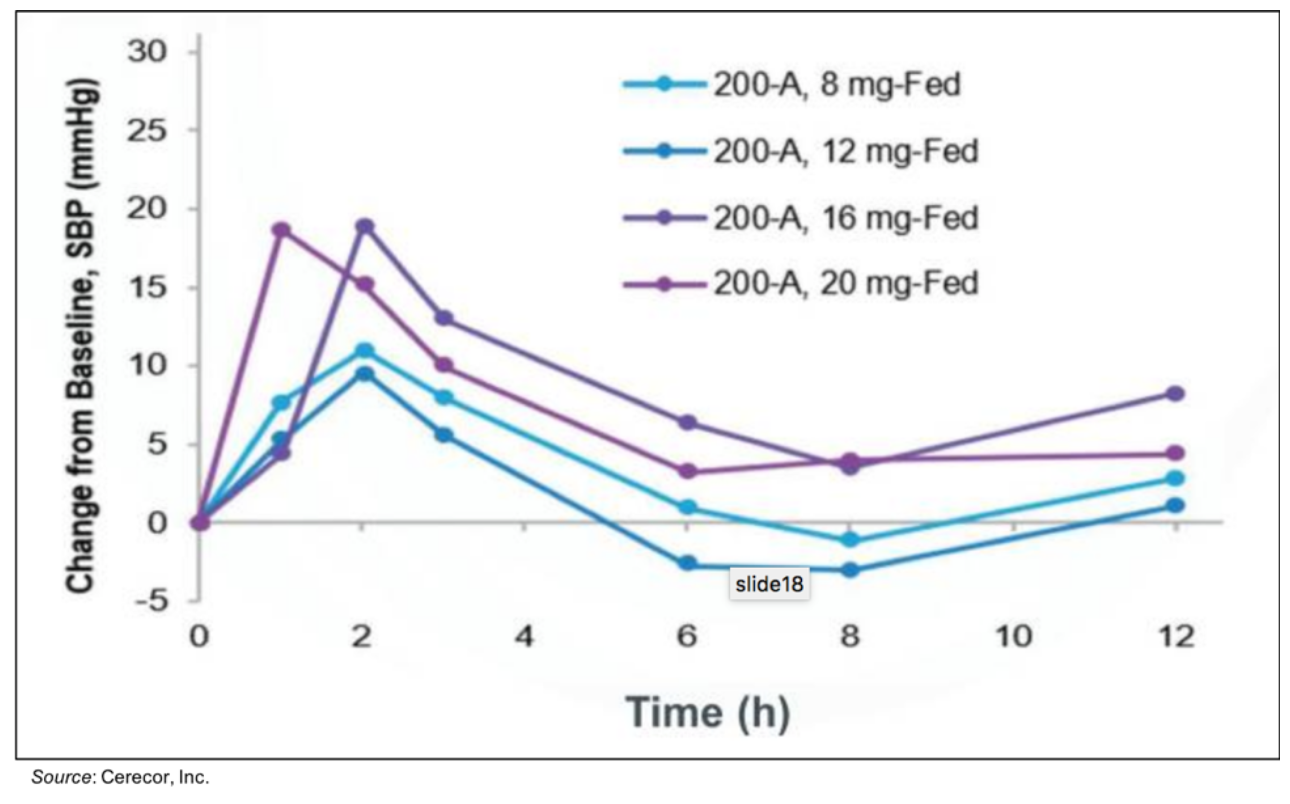
Cerecor is currently conducting a Phase 1 clinical trial of its lead neurology candidate CERC-301 for the treatment of nOH associated with Parkinson’s disease and other neurodegenerative diseases. CERC-301 is an orally available specific antagonist against the NMDA receptor subunit 2B (NR2B). It has previously been studied in approximately 400 patients and healthy volunteers. The following chart shows the rapid and sustained change in systolic blood pressure that occurs upon taking CERC-301, which is the basis for its use in nOH.
 View Exhibit II
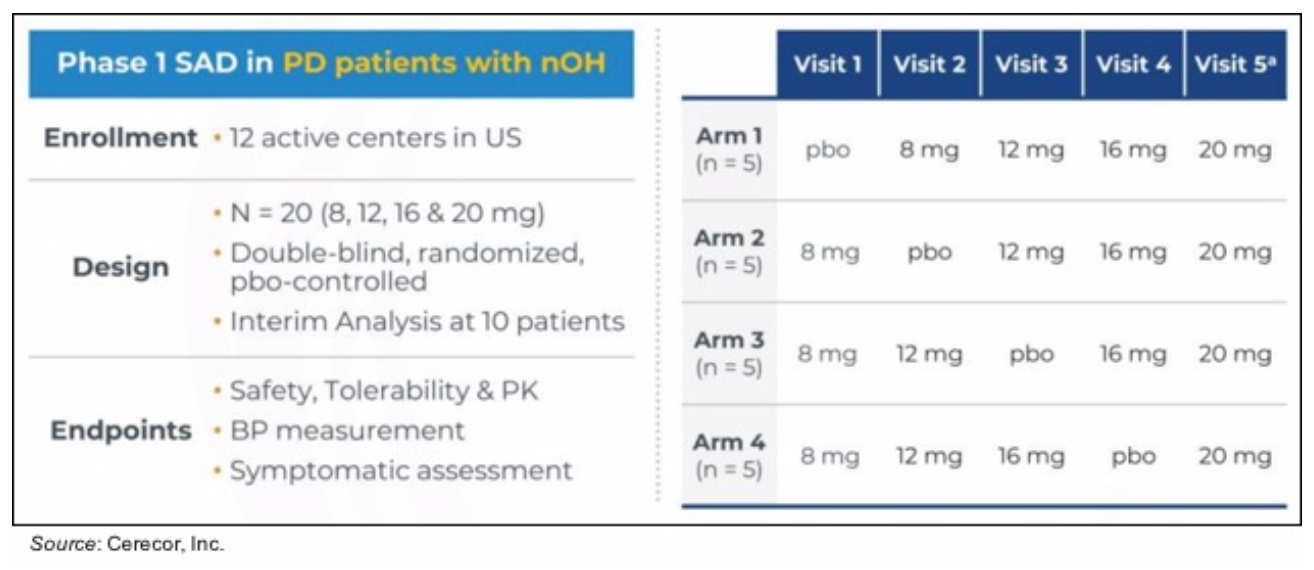
The ongoing Phase 1 trial is a double blind, randomized, placebo controlled trial with 20 Parkinson’s patients with nOH. Each patient will have five visits in which they will receive four single escalating doses of drug or placebo. The primary endpoints of the study are safety, tolerability, and pharmacokinetics. In addition, blood pressure effects will be tested during orthostatic challenges and a symptomatic assessment will be performed at each visit. We anticipate top-line results in the first half of 2019. An overview of the trial is given below.
 View Exhibit IIIBackground on nOH
Orthostatic hypotension (OH) occurs due to an inability to maintain blood pressure upon standing. The technical definition of OH is a sustained reduction in systolic blood pressure of at least 20 mm Hg or diastolic blood pressure of at least 10 mm Hg within three minutes of standing. OH can result from either non-neurogenic or neurogenic causes and be either acute or chronic. Non-neurogenic causes include dehydration, cardiac abnormalities (bradycardia/tachyarrhythmia/myocardial infarction), and prolonged standing.
nOH is caused by decreased release of norepinephrine from sympathetic vasomotor neurons that can result in both inadequate vasoconstriction and heart rate upon standing (
Freeman et al., 2011). The disorder occurs mostly in those with specific diseases caused by accumulation of alpha-synuclein, including Parkinson’s disease (PD), multiple system atrophy (MSA), Lewy body dementia, and pure autonomic failure (PAF). It can also occur in patients with peripheral neuropathies, including diabetic neuropathy, amyloidosis, and Guillan-Barre syndrome.
In contrast to OH, which is relatively common in elderly patients (prevalence of 15% in those aged 65 to 69 to 26% in those aged 85 years or older,
Rutan et al. 1992), nOH is a rare disorder and is considered as an orphan disease, affecting approximately 80,000 individuals with PD, MSA, and PAF in the U.S. (FDA briefing documents for Northera®).
Few studies have examined the prognosis for patients with nOH, however a study of 104 nOH patients over a 14-year period in Italy showed that the condition increased the risk of death three-fold compared to the general population in that area (
Maule et al., 2012). On a day to day basis, the condition can result in severe morbidity for patients that includes significant drops in blood pressure during the day. This can lead to an interference in normal daily activities, with the increased debilitation potentially leading to a poor quality of life (QOL).
Non-pharmacological therapies for nOH include drinking more water (to help increase blood volume), increase salt in the diet, avoid carbohydrate-heavy meals, elevating the head of the bed, slowly rising when standing, and getting regular exercise. There are currently two therapies approved in the U.S. for the treatment of nOH: midodrine, which was approved in 1996, and droxidopa (Northera®), which was approved in 2014.
‣ Midodrine (ProAmatine®): This is a peripherally acting α-andrenergic agonist. The drug was originally approved based on clinical data showing an effect on the surrogate endpoint of increase in standing blood pressure, which is thought to confer clinical benefit. It is currently available as a generic.
‣ Droxidopa (Northera®): This is a synthetic amino acid precursor for norepinephrine that is capable of crossing the blood-brain barrier. Droxidopa was originally approved in Japan for the treatment of hypotension and nOH in 1989. Chelsea Therapeutics acquired the rights to droxidopa and following approval of the compound by the FDA the company was acquired by Lundbeck for $658 million. Lundbeck reported 2017 revenues for Northera® of DKK 1,644 (approximately $270 million).
New Patent for CERC-301
On Feb. 15, 2019, Cerecor
announced that the U.S. Patent and Trademark Office has issued U.S. Patent No. 10,202,363, which covers the crystalline form of CERC-301 as well as methods of treating conditions responsive to NR2B antagonists. The patent provides IP protection to 2035.
Rare Pediatric Orphan Programs
On February 19, 2019, Cerecor
announced that the U.S. FDA has awarded Fast Track Designation to CERC-801. Fast Track Designation is conferred upon therapies intended to treat serious or life-threatening diseases where there is an urgent unmet medical need. Included with Fast Track designation is the ability to have more frequent interactions with the FDA and the potential for priority review of an NDA, which lowers the review time to six months from 10 months.
On January 16, 2019, Cerecor
announced that the FDA granted Orphan Drug Designation (ODD) to CERC-801, CERC-802, and CERC-803. All of the programs have previously been granted Rare Pediatric Disease Designation (RPDD) by the FDA. ODD and RPDD have numerous benefits, including: seven-year market exclusivity in the U.S. following approval, tax credits, waiver of PDUFA fees (currently $2.6 million), and a rare pediatric disease priority review voucher upon approval.
CERC-801 (D-galactose): This is being developed for the treatment of Phosphoglucomutase 1 (PGM1) deficiency, a recently characterized congenital disorder of glycosylation (CDG). Patients with PGM1 deficiency have multiple clinical phenotypes, including dilated cardiomyopathy, exercise intolerance, and hepatopathy (
Tegtmeyer et al., 2014). The multisystem deficiencies are a result of a lack of protein glycosylation, which is dependent upon the important metabolic intermediate glucose-1-phosphate.
PGM1 is responsible for the interconversion of glucose-1-phosphate and glucose-6-phosphate. In between meals, PGM1 drives the production of glucose-6-phosphate from glucose-1-phosphate, which is the product of glycogen breakdown. Following a meal, when glucose concentration is high, PGM1 drives the production of glucose-1-phosphate such that excess glucose can be stored as glycogen. The loss of PGM1 leads to a decreased amount of glucose-1-phosphate, which ultimately results in decreased protein glycosylation. The following figure shows the role of PGM1 in metabolism.
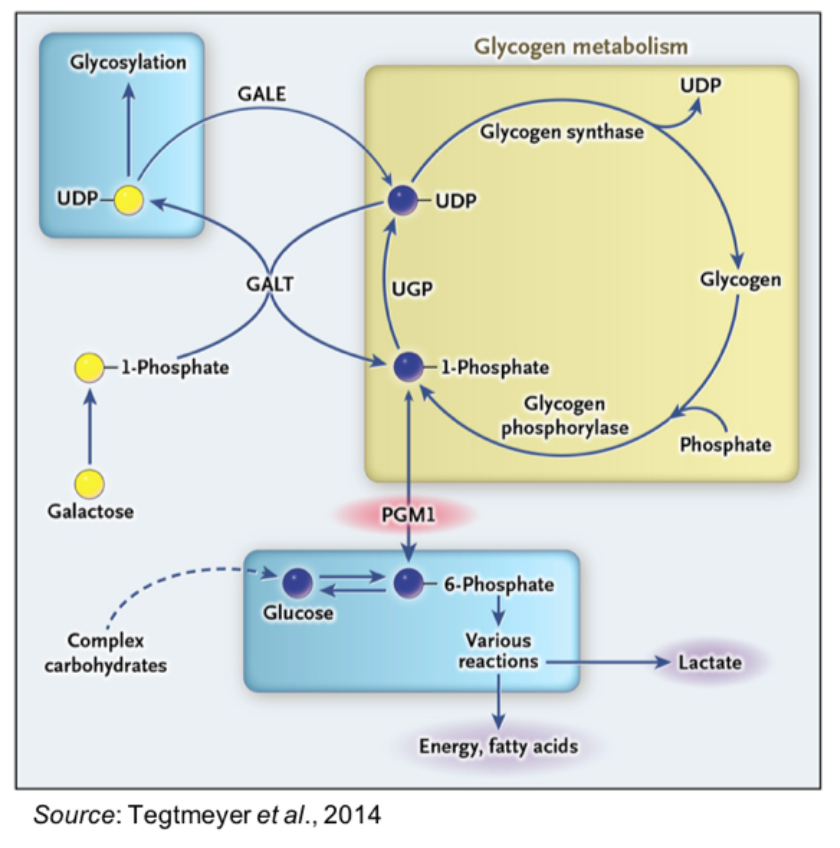 View Exhibit IV
Galactose supplementation (1.5 g/kg/day) was recently tested in nine patients with PGM1 deficiency (
Wong et al., 2017). Results of the study showed that supplementation was well tolerated, abnormal baseline results in liver enzymes normalized, and increases in protein glycosylation were noted. Longer duration trials are currently ongoing to better characterize the effect of galactose supplementation in this patient population.
On January 22, 2019, Cerecor
announced that the FDA has accepted the Investigation New Drug (IND) application for CERC-801, which allows for the company to initiate a Phase 1 clinical trial in healthy volunteers. The goal of the Phase 1 trial is to determine single dose tolerability and pharmacokinetics of CERC-801.
CERC-802 (D-mannose): This is being developed for the treatment of Mannose-Phosphate Isomerase (MPI) deficiency (
Westphal et al., 2001). MPI is responsible for the interconversion of fructose-6-phosphate and mannose-6-phosphate along with maintaining the supply of mannose derivatives required for protein glycosylation. MPI deficiency is readily treated with mannose supplementation as there are mannose-specific cellular transporters that bring mannose into the cell, where it is converted into mannose-6-phosphate by hexokinase.
CERC-803 (L-fucose): This is being developed for the treatment of Leukocyte Adhesion Deficiency Type II (LADII). LADII is characterized by leukocytosis, persistent infections, and severe mental and physical retardation. The cause of LADII is improper fucose metabolism that leads to the absence of selectin ligands on the surface of neutrophils. Fucose supplementation of patients with LADII can result in re-expression of selectin ligands, a decrease in neutrophil count, and improvement in mental and physical development (
Marquardt et al., 1999).
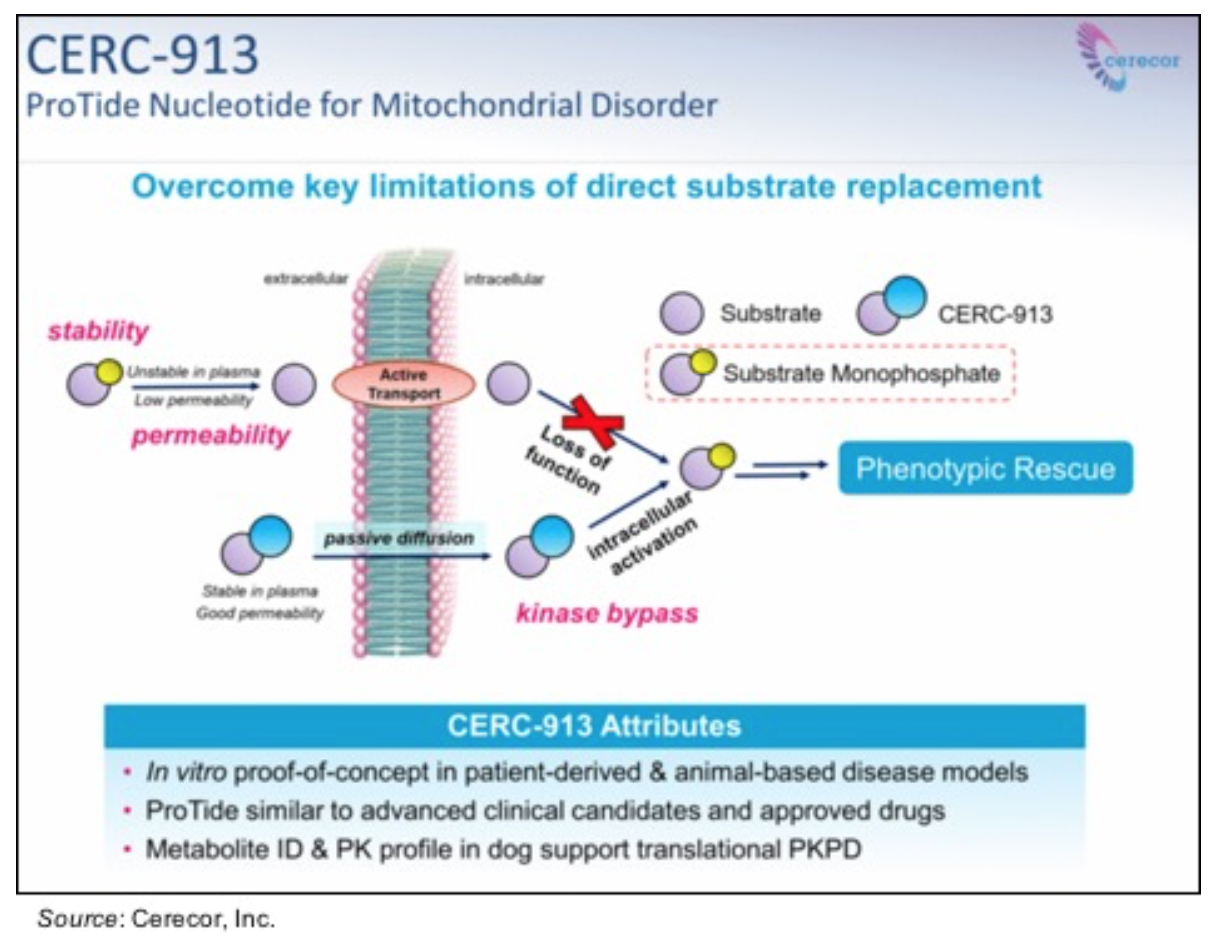
In addition to the substrate replacement therapy products described above, Cerecor also has a platform technology for targeting diseases for which substrate replacement therapy is not feasible. The lead development candidate based on that technology is CERC-913, which uses a pro-drug technology (“ProTide”) to treat mitochondrial DNA depletion sydromes (MDS). The technology is based on the ability to get a phosphorylated substrate into the cell where it is needed. Typically, phosphorylated substrates will not passively diffuse through the cell membrane, thus a disease characterized by the lack of a phosphorylated substrate inside the cell is not able to be treated through substrate replacement therapy. The ProTide technology allows a phosphorylated substrate to diffuse into the cell, at which time it is activated such that the substrate can be used for phenotypic rescue. This is shown in the following slide.
 View Exhibit VClinical Strategy for Orphan Indications
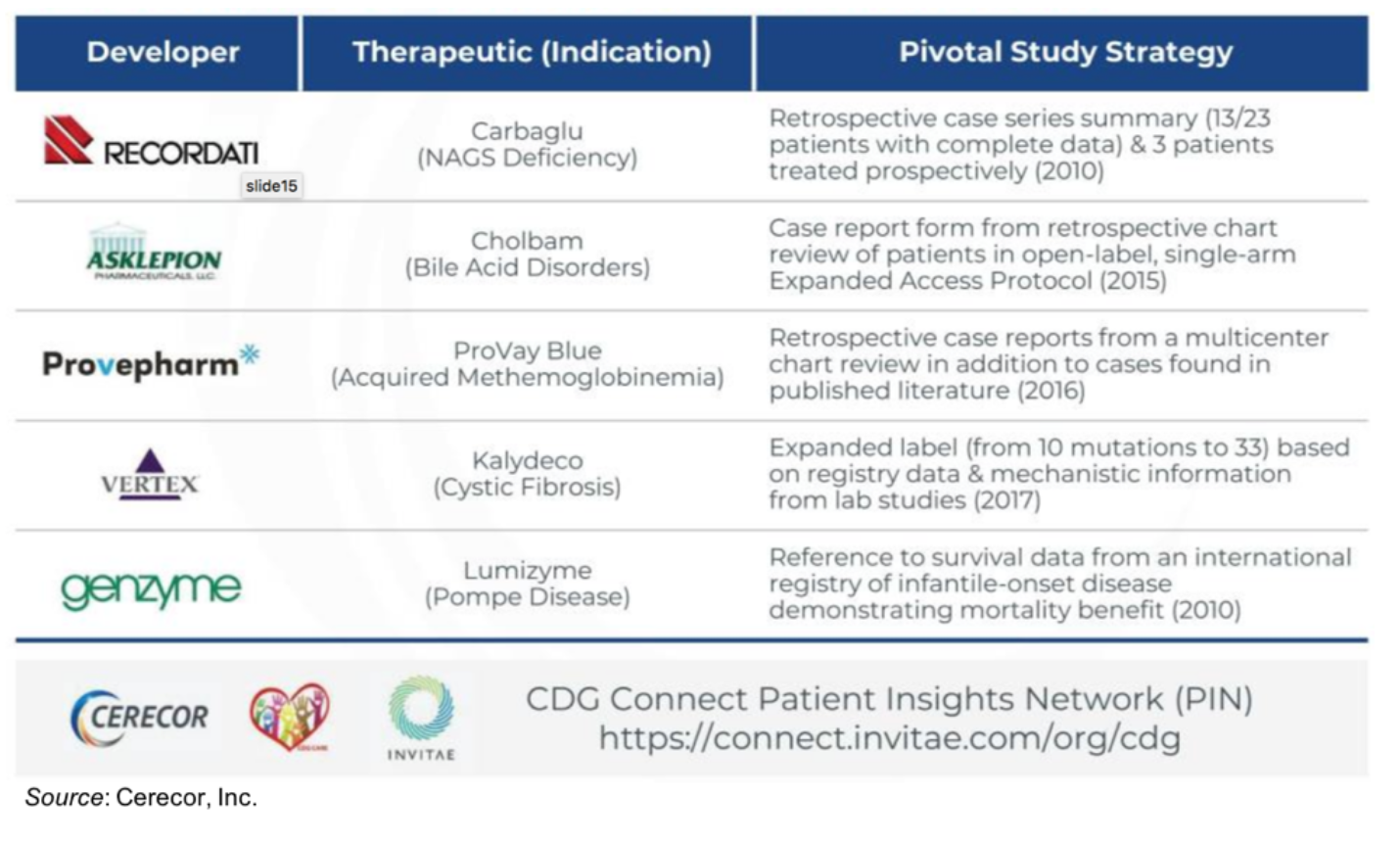
Given that each of the orphan indications targeted by Cerecor afflict fewer than 500 patients worldwide, it would be impractical to conduct large scale clinical trials to satisfy regulatory requirements for approval. Thus, what Cerecor is planning to do is supplement data from sponsor-initiated studies (such as the Phase 1 study that will soon be taking place for CERC-801) with existing clinical and non-clinical data. The FDA typically works with a sponsor organization to collect this data through retrospective chart reviews and patient registries, and as the following chart shows there is precedent for the agency approving compounds in this manner.
 View Exhibit VI
Galactose, mannose, and fucose are naturally occurring monosaccharides that can be procured from various manufacturers, however their purity is not subject to the same rigorous standards that are used for FDA approved compounds. In spite of this, patients suffering from the diseases targeted by Cerecor utilize non-FDA approved formulations of those compounds to alleviate symptoms of their specific diseases under a doctor’s supervision. Thus, there is a wealth of data available on the effect each of those monosaccharides have on patients that the FDA can utilize as part of the review process for 801, 802, and 803.
Priority Review Vouchers
As mentioned above, the FDA has granted RPDD for each of the orphan programs, which makes them eligible for a Rare Pediatric Disease Priority Review Voucher (PRV) upon approval. A PRV allows the holder of the voucher to receive an expedited six-month review from the FDA for an NDA or biologics license application (BLA) instead of the usual ten-month review. The Food and Drug Administration Safety and Innovation Act (FDASIA) created the rare pediatric voucher in 2012 to specifically target the need for additional therapies for rare pediatric subsets of diseases (affect fewer than 200,000 individuals in the U.S.). Priority review vouchers are also awarded for the development of treatments for certain tropical diseases and medical countermeasures.
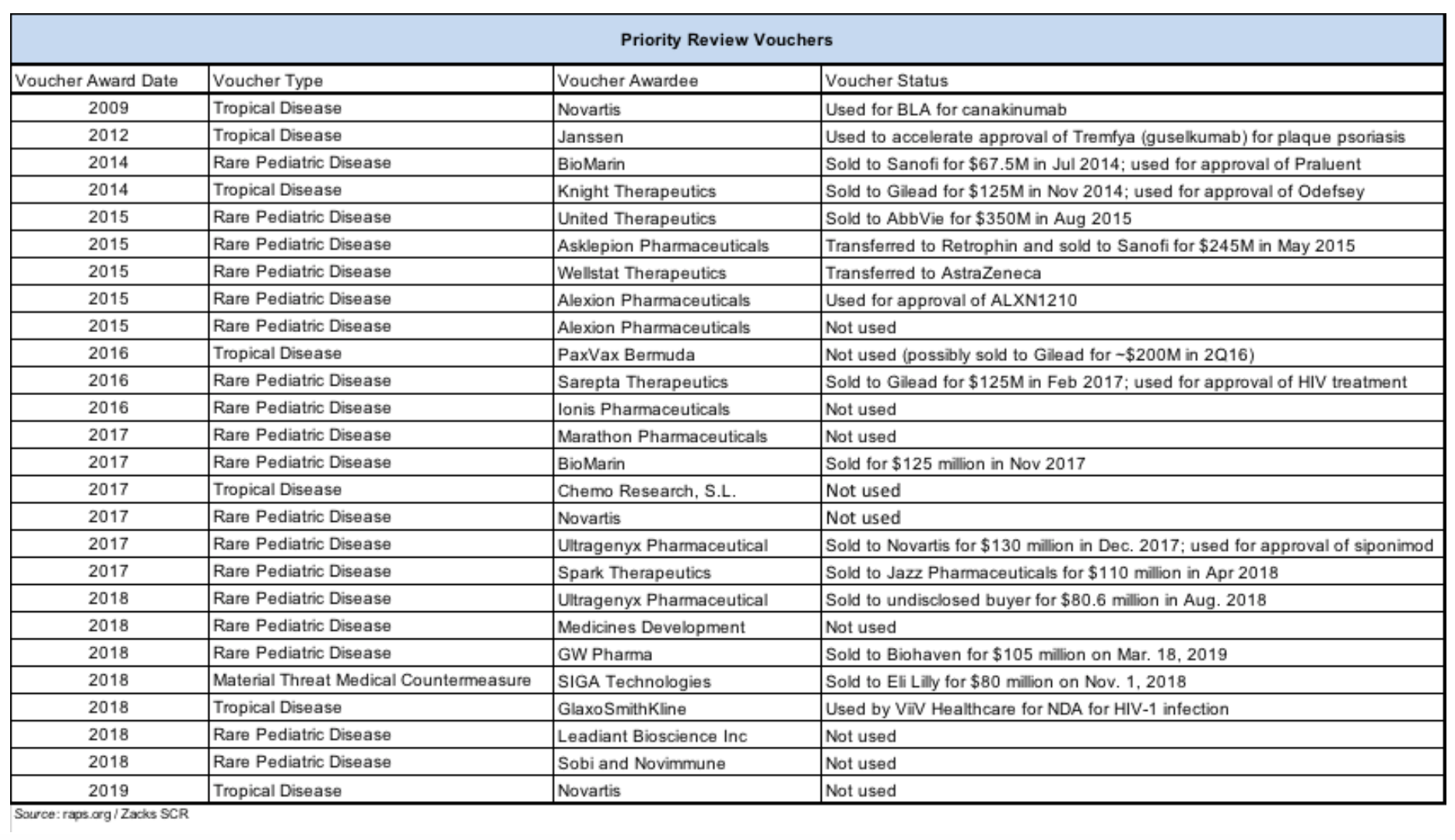
Priority review vouchers are fully transferrable, and a number of companies that have been issued the vouchers in the past have sold them, including one that was sold to AbbVie (ABBV) in Aug. 2015 for $350 million. The four most recent purchases are by Novartis (NVS) for $130 million in Dec. 2017, Jazz Pharmaceuticals for $125 million in Apr. 2017, an undisclosed buyer for $80.6 million in Aug. 2018, and Biohaven Pharmaceutical Holding Company for $105 million in Mar. 2019. While prices for PRVs have come down since AbbVie purchased one for $350 million in 2015, the price for them has appeared to settle in the $80-$100 million range. The following table shows how many priority review vouchers have been issued along with the current status of the voucher, if known.
 View Exhibit VIIFinancial Update
On March 18, 2019, Cerecor
announced financial results for the fourth quarter and full year 2018. The company recorded net product revenues of $4.8 million in the fourth quarter of 2018 compared to $1.9 million in revenue in the fourth quarter of 2017 as a result of the acquisition of TRx in Nov. 2017 and Avadel in Feb. 2018. Total net revenues in the fourth quarter of 2018 were $5.0 million compared to $2.2 million for the fourth quarter of 2017. Total operating expenses were $10.5 million in the fourth quarter of 2018 compared to $6.6 million for the fourth quarter of 2017. The increase was driven primarily by the cost of product sales and sales and marketing expenses. Net loss for the fourth quarter of 2018 was $5.6 million compared to $3.1 million in the fourth quarter of 2017. The increase was driven by an increase in operating expenses.
The company met revenue guidance for the full year 2018 with $18.3 million of net revenue. This was driven in part by a 22% increase in net sales and a 19.4% increase in new prescriptions in the fourth quarter of 2018. For 2019, we estimate net product revenue of $21 million (within the company’s guidance of $20-$22 million).
Operating expenses for 2018 totaled $57.6 million, compared to $13.9 million in 2017, and consisted of the following:
• Cost of product sales were $7.5 million, compared to $0.6 million for 2017. The increase was due to having a full year of sales of products from the TRx acquisition in 2017.
• R&D expenses were $5.8 million in 2018 compared to $4.4 million in 2017. The increase was primarily due to increased clinical trial costs associated with activities for CERC-301 as well as activities related to the orphan disease candidates.
• The company reported an $18.5 million non-cash expense in 2018 for acquired in-process research and development, which was related to the three preclinical assets acquired from Ichorion, while there was no acquired in-process research and development expense in 2017.
• General and administrative expenses were $10.7 million in 2018 compared to $8.0 million in 2017. The increase was primarily due to increased salaries, legal fees, and stock-based compensation.
• Sales and marketing expenses were $8.5 million in 2018 compared to $0.6 million in 2017. The increase was due to the TRx acquisition as well as an expansion of the sales force that initiated in the third quarter of 2018.
• Amortization expense was $4.5 million in 2018 compared to $0.4 million in 2017. The increase was driven by the acquisition of intangible assets from the TRx acquisition.
• A $1.9 million expense for impairment of intangible assets (related to the impairment of the PAI agreement following its termination) was recorded in 2018 while no expense for impairment of intangible assets was recognized in 2017.
Net loss for 2018 was $41.7 million, or $1.20 per share, compared to net income of $11.9 million in 2017. Net income in 2017 was driven by the $25 million payment from Janssen for the rights to CERC-501.
As of December 31, 2018, Cerecor had approximately $10.6 million in cash and cash equivalents. This was driven in part by a $5.7 million warrant exercise in Dec. 2018 with Armistice Capital, the majority shareholder of the company. In March 2019, Cerecor closed on an underwritten offering of 1,818,182 shares of common stock at a price of $5.50 per share, with Armistice Capital purchasing 363,637 of the shares. Net proceeds were approximately $9.0 million. We believe the company has sufficient capital to fund operations through the end of 2019.
As of Mar. 11, 2019, Cerecor had approximately 42.7 million shares of common stock outstanding and when factoring in stock options and warrants a fully diluted share count of 51.4 million.
Conclusion and Valuation
Cerecor continues to execute on its business transformation strategy as it transitions to a fully-integrated pharmaceutical company. We continue to expect Phase 1 data from CERC-301 in nOH in the first half of 2019 as well as Phase 1 data for CERC-801 in 2019. We had previously modeled the potential selling price for PRVs issued upon approval of the rare pediatric disease products as $80 million each, however in light of the recent sale of a PRV for $105 million, we have increased the potential PRV sales price to $90 million each. In addition, we have slightly increased our forecasted sales for the commercial products. This has resulted in a slight increase to our valuation to $8.00 per share.
SUBSCRIBE TO ZACKS SMALL CAP RESEARCH to receive our articles and reports emailed directly to you each morning. Please visit our website for additional information on Zacks SCR.
DISCLOSURE: Zacks SCR has received compensation from the issuer directly or from an investor relations consulting firm, engaged by the issuer, for providing research coverage for a period of no less than one year. Research articles, as seen here, are part of the service Zacks provides and Zacks receives quarterly payments totaling a maximum fee of $30,000 annually for these services. Full Disclaimer HERE.