By John Vandermosten
NASDAQ:DYAI
READ THE FULL DYAI RESEARCH REPORT
Upcoming Milestones
‣ Update on Sanofi arrangement – Fall 2020
‣ Potential cash inflow from licensing or development arrangement – 2020/2021
Second Quarter Financial & Operational Results
Dyadic International Inc. (NASDAQ:DYAI) released second quarter financial and operational results on August 13, 2020. Revenues were $0.5 million and represented research and development proceeds from partners working to develop C1. Total expenses were $3.3 million and net loss was ($2.7) million after adding interest income. On a per-share basis, net loss was ($0.10). Total cash and investments were $31.8 million as of June 30, 2020, equivalent to ~$1.16 per share.
Since the start of the second quarter, four additional collaborations were signed, including two with leading animal health firms, one with a top five human health company and a small deal to develop a coronavirus vaccine. We count ten new relationships year to date. Opportunities for product development in infectious disease have emerged and the relationships have expanded with the Israeli Institute of Biological Research (IIBR) and Zoonoses Anticipation and Preparedness Initiative (ZAPI). Other work by partners to develop a treatment or vaccine against the coronavirus using C1 has also emerged. This includes efforts by a consortium of academics from Erasmus Medical Center, Utrecht University, University of Veterinary Medicine Hannover, Ufovax and Frederick National Laboratory. Recognizing its increasing importance in the biotechnology space, Dyadic was added to the Russell 2000 and Russell 3000 indices. Dyadic filed a shelf registration, Form S-3, simultaneously with the earnings release to enable future offerings of up to $50 million which may be offered under an at-the-market (ATM) arrangement with Jefferies LLC.
Second quarter 2020 revenues rose 34% to $0.5 million reflecting additional collaborations compared to the prior year period. Total expenses during the three month period declined less than 1% to $3.3 million. Research and development1 was up 18% to $1.7 million due to additional research projects. General and administrative expenses fell 21% to $1.5 million on account of lower executive compensation costs, NASDAQ uplisting expenses and noncash share-based compensation expenses partially offset by higher insurance premiums, business development and investor relations costs. Net loss was ($2.7) million for the period, essentially flat with the comparable quarter in 2019. On a per share basis, net loss was ($0.10) also matching the per share loss in the same period last year.
Cash burn was ($1.9) million in 2Q:20 compared to ($1.4) million in 2Q:19. Cash and equivalents were $31.8 million on June 30, 2020 down from $34.2 million at the end of 2019.
Animal Health
Dyadic now has relationships with all of the top four animal health companies. Since the previous quarter’s update, two additional animal health companies were added to the partner list and were announced on July 8th. While management has not explicitly disclosed the partners’ identities, we know that the top four companies are Zoetis, Merck Animal Health, Boehringer Ingelheim and Elanco. This brings the total number of animal health collaborations to eight, two of which include a partial ownership in successful commercialization of successful products.
Cost pressures are acute in animal health and require efficiencies that can effectively address large populations of livestock and pets. In a competitive landscape where cost is key, C1 is a leading technology that can provide needed efficiency. We discussed these arrangements in an article found here2.
The work with ZAPI is providing exposure of C1’s capabilities not only to the European public-private partnership that serves to respond to new infectious disease threats but also to the other partners involved in the effort. Other partners include large pharmaceutical firms such as AstraZeneca, Boehringer Ingelheim and the academic community in the veterinary and infectious disease spaces.
Research Collaborations
Since the beginning of 2020, Dyadic has entered into ten new agreements to explore the use and potential of C1 to express proteins and other biological materials. Since our previous update, there has been one more addition in human health with a top five global pharmaceutical company and a small partnership with a biotech developing a coronavirus vaccine. The global pharmaceutical agreement will express two different types of therapeutic compounds.
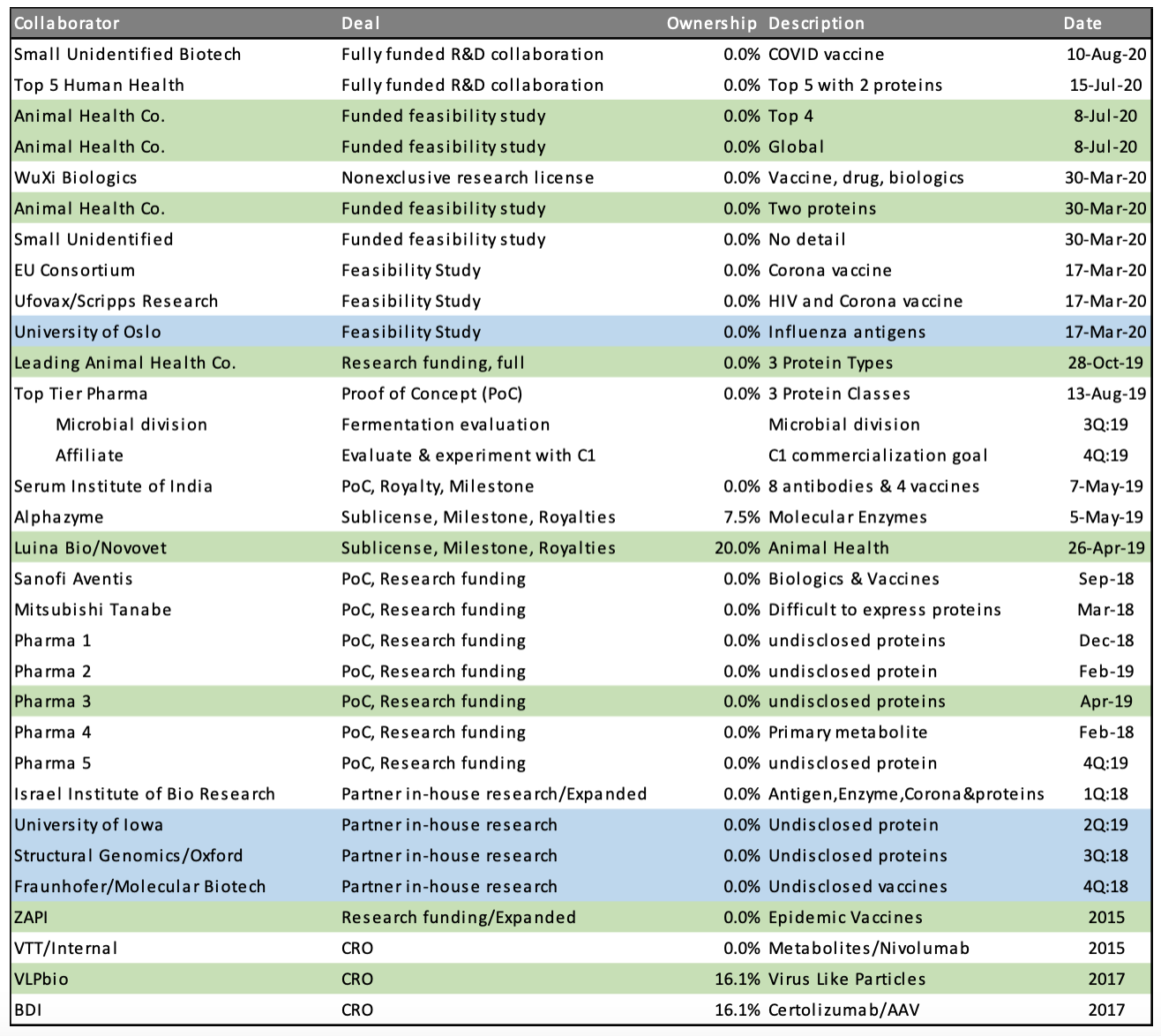
Exhibit I – Summary of Dyadic Collaborations3
Dyadic continues to engage additional prospects and to sign non-disclosure agreements with them. One of the most important collaborations is with Sanofi where Dyadic was able to express all seven of the therapeutic and vaccine proteins that were identified in the project. More than 50% of the proteins were expressed above target levels and now Dyadic is in conversations with Sanofi to determine next steps. A decision is expected on whether or not to move forward either late 3Q or early 4Q:20. We are optimistic on the other research collaborations with large pharmaceutical companies as they allow potential acquirers of this technology to evaluate C1 and retain a stake in its success. With numerous interested parties invested in developing the technology we anticipate that if a bidding war begins, substantial value will accrue to Dyadic shareholders.
COVID-19.
Dyadic is involved in five different COVID-19 projects. These include collaborations with IIBR, EU Scientists, UfoVax, Frederick National Laboratory and a new arrangement with a small undisclosed biotech. The IIBR effort has expressed a number of high producing C1 cell lines that possess the receptor binding domain (RBD) of the coronavirus spike protein. These lines are being used for both IIBR and the EU programs. IIBR has entered animal studies, which have produced high neutralizing antibody titers which will soon be followed by hamster studies. The EU program is about to start animal studies and is awaiting regulatory approval to begin. The UfoVax effort is producing several COVID-19 vaccines that will be used by the Vaccine Research Center (VRC) of the National Institute of Allergy and Infectious Diseases (NIAID) at the National Institutes of Health. Dyadic is providing samples of C1-expressed SARS-CoV-2 RBD to the Frederick National Laboratory for evaluation. The latest addition to the COVID-19 portfolio is a small research collaboration with a regional biotech company whose identity was undisclosed. Additional discussions are underway for further partnerships in this space.
Other Projects
Dyadic’s internal projects include four publicized efforts: two in the monoclonal antibody space (mAbs) and two others in non-traditional areas. With respect to biosimilars, BDI and VTT are synthesizing certolizumab and nivolumab respectively. Certolizumab was a good first choice as it has a relatively simple antigen binding fragment (Fab) that Dyadic was able to produce with biological activity comparable with Cimzia. The other biosimilar, nivolumab, is more complex. This biologic presents a glycosylated structure which has also been successfully expressed by C1. Currently, glyco-engineering efforts are underway to potentially make Dyadic’s copy a biobetter as compared to Opdivo.
Adeno-associated viruses (AAVs), which are used to deliver gene therapy, are another area of investigation for Dyadic. BDI is developing AAVs to meet increasing demand for this product that is in short supply. The fourth pursuit targets secondary metabolites that are important for digestion of nutrients, functional health of cells and also used in cosmetic applications. Dyadic aims to demonstrate that C1 can produce these metabolites and may either fund the project internally through continued efforts with VTT or partner with others.
Glycosylation
In February, Dyadic announced that it had achieved G2 human-like glycosylation with its partner VTT. C1 was able to produce a G2 glycan level of over 76% using host cell proteins following the achievement of G0 in November 2019. Dyadic can additionally produce high concentrations of Man3-9 and Man3 which, along with G0 and G2, allows C1 to produce vaccines, mAb and other biologics that are either immunogenic or recognized as self by the immune system. Dyadic expanded its contract with VTT in the first quarter paying an additional €700,000 over a 19 months period to accelerate development. We expect to hear updates on these glycoforms in the coming months.
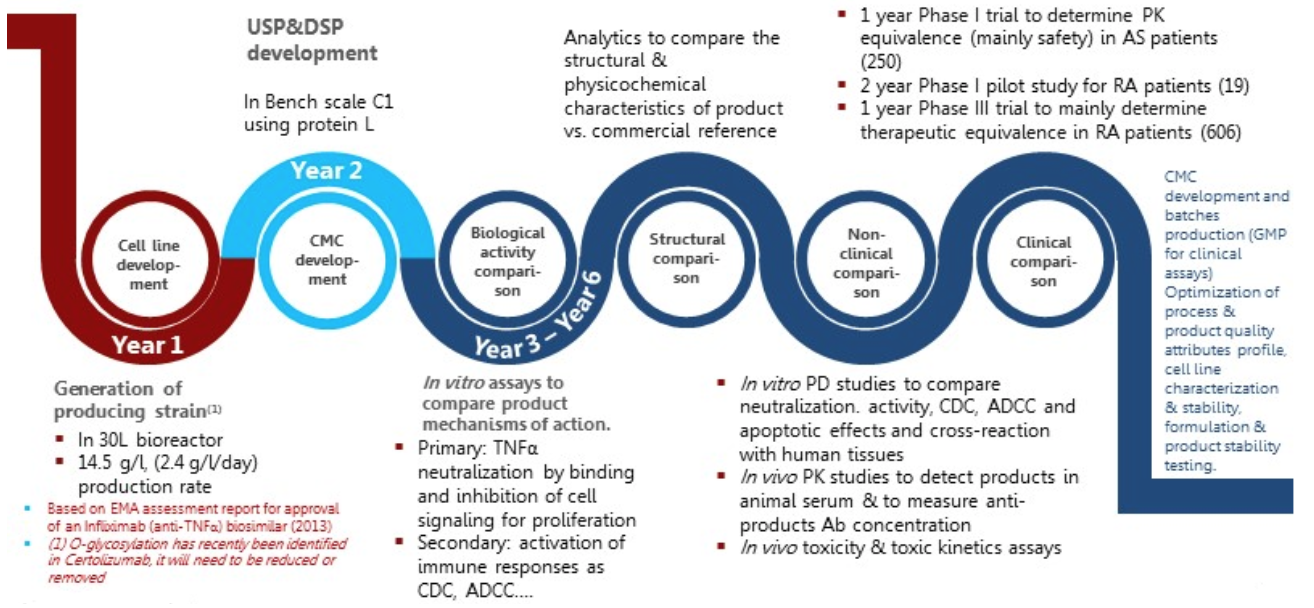
Exhibit II – Certolizumab Development Pathway4
Milestones
Dyadic has performed well since we initiated coverage adding numerous new collaborations. We include below recently achieved milestones and others we expect in the near term:
‣ Additional detail on glycosylation progress including G0F & G2F – 1H:20
‣ 14x deletion protease with 1/50 protease activity of 4x deletion protease – 1H:20
‣ Update on Sanofi arrangement – Fall 2020
‣ Potential cash inflow from licensing or development arrangement – 2020/2021
Summary
Dyadic has steadily added new collaborations during 2020 signing several agreements and expansions with both large and small partners in animal and human health. Internal programs are also advancing for certolizumab and nivolumab, secondary metabolites and AAVs. Progress is also being made with protease deletions and achieving additional glycosylation forms. These all contribute to the “shots on goal” which we believe will lead to a billion dollar opportunity.
We anticipate that there will be additional arrangements signed in 2020, some of which may include upfront cash flows. The pandemic may catalyze the pathway forward for C1 to be used as an expression system for producing vaccines and treatments. Entering human trials would be a tremendous achievement. C1 may be able to provide much higher output with improved characteristics compared to current approaches which addresses one of the primary bottlenecks during a pandemic.
We see opportunities for additional equity interest in fast growing partnerships, upfronts, milestones and royalties from larger partnerships and potentially a buyout. There is substantial value in Dyadic’s broad portfolio of options and in their exciting technology that can revolutionize the protein expression industry. Future favorable catalysts include the addition of more collaborators, achieving output milestones and entering the clinical trial process.
SUBSCRIBE TO ZACKS SMALL CAP RESEARCH to receive our articles and reports emailed directly to you each morning. Please visit our website for additional information on Zacks SCR.
DISCLOSURE: Zacks SCR has received compensation from the issuer directly, from an investment manager, or from an investor relations consulting firm, engaged by the issuer, for providing research coverage for a period of no less than one year. Research articles, as seen here, are part of the service Zacks provides and Zacks receives quarterly payments totaling a maximum fee of $40,000 annually for these services. Full Disclaimer HERE.
________________________
1. Total R&D includes Cost of R&D Revenue, R&D and R&D Related Party amounts.
2. https://scr.zacks.com/News/Press-Releases/Press-Release-Details/2020/DYAI-Dyadic-Animal-Health-Partners-Summary/default.aspx
3. Source: Zacks Research and Dyadic corporate filings. Green highlight indicates animal health collaboration. Blue highlight indicates academic collaborator.
4. Source: Dyadic Corporate Presentation, October 29, 2019.