By John Vandermosten, CFA
NASDAQ:ECOR
READ THE FULL ECOR RESEARCH REPORT
Since Our Last Update
Since our previous full report on electroCore Inc. (NASDAQ:ECOR) in November, the company has provided several clinical, regulatory and commercial updates. In the clinical domain, electroCore published its study on noninvasive vagus nerve stimulation (nVNS) to reduce ileus after major colorectal surgery. electroCore also reported that the TR-VENUS study of nVNS in acute treatment of stroke was fully enrolled. In December, topline results were released for the PREMIUM II trial in migraine prevention and gammaCore was selected for a National Institute on Drug Abuse (NIDA) sponsored study in opioid use disorder.
In the commercial and regulatory sphere, gammaCore Sapphire was included in the new National Health Service (NHS) England and NHS Improvement MedTech Funding Mandate Policy. Scottish Health Technology Group recommended gammaCore for use in NHS Scotland cluster headache patients and Centers for Medicare and Medicaid Services (CMS) specified coding for nVNS. Exclusive distribution rights were assigned to RSK Medical and Pro Medical Baltic for Canada and Eastern Europe territories, respectively.
nVNS to Reduce Ileus Post Colorectal Surgery
On February 9, 2021, electroCore announced that it had published a study evaluating nVNS in post colorectal surgery ileus. Ileus, or intestinal atony, is a condition where the intestine is unable to contract normally, leading to a buildup of food and intestinal obstruction. Symptoms of ileus include bloating, nausea, vomiting, constipation, lack of appetite, stomach cramps and watery stool (1). The condition prolongs hospital stays and increases risk of pneumonia and venous thrombo-embolic events and can augment patient costs by up to 71% (2). Postoperative ileus is common following colon or rectal surgery, with incidence estimated between 10%-30% (3).
The study, led by Dr. Stephen Chapman, was a parallel group, randomized, controlled trial conducted at St. James’s University Hospital in Leeds, England, funded by the Bowel Research UK, supported by the National Institute for Health Research Surgical MedTech Co-operative. Bowel Research UK funds research in bowel cancer and other bowel diseases, with over £9 million directly invested. The National Institute for Health Research, established in 2006, is the UK’s largest funder of health and care research, funding research that benefits the NHS and its public health mandate. electroCore published the study in Colorectal Disease.
The study enrolled 40 subjects and explored the safety and feasibility of self-administered nVNS to treat post-operative ileus following major colorectal surgery. Preclinical models of ileus have shown that electrical stimulation of the vagus nerve can reduce intestinal inflammation and accelerate bowel function recovery. Results from the study established safety of self-administered nVNS in the population with infrequent and non-serious adverse events that were similar between the treatment and sham arms. The study was not intended to statistically differentiate efficacy; however, results were directionally favorable, especially in patients with right-sided surgery, with treated patients demonstrating improved time to first flatus, tolerance of solid diets and bowel function (GI-3) compared to those receiving sham treatment. The right-sided group also consumed less oral morphine equivalents in the three days following surgery. The latter finding is important in achieving the objective of reducing the use of opioids and reduce morphine’s related adverse effect of constipation, which can exacerbate ileus.
Full Enrollment of TR-VENUS Study
On February 2, 2021, electroCore announced that TR-VENUS study of nVNS in acute treatment of stroke was now fully enrolled. TR-VENUS is a Phase II, double-blind, randomized, sham-controlled, multi-center clinical trial that is being conducted at nine medical centers across Turkey. The study is supported by the Turkish Neurological Society and partially funded through a research grant from electroCore. TR-VENUS has enrolled 60 subjects with ischemic stroke and eight with hemorrhagic stroke. The objective of the study is to evaluate safety of nVNS in acute stroke by monitoring arterial blood pressure, bradycardia, neurological deficit progression and death. Feasibility is also being assessed via the number of doses administered versus available. Secondary efficacy is being evaluated via neurological deficits and infarct growth. Topline results are expected later in 2021.
Stroke
Stroke occurs when blood supply to the brain is cut off, most often due to a clot or embolism occluding blood vessels in the brain, known as an ischemic stroke. Ischemic stroke can be temporary as well, known as transient ischemic attack (TIA). Stroke can also occur when blood-vessels rupture in the brain, known as a hemorrhagic stroke, which can be a result of hypertension, blood thinners or trauma. Without oxygen, brain cells begin to die. Symptoms of a stroke include trouble speaking, paralysis or numbness of the face, arm or leg, problems seeing, headache and difficulty walking (4). Risk factors for stroke include obesity, inactivity and heavy consumption of alcohol. Hypertension, high cholesterol, cigarette smoking, diabetes, sleep apnea and family history are also factors. Standard of care includes rapid reperfusion with intravenous thrombolysis and thrombectomy.
nVNS in Stroke
As stroke implies ischemia, time is of the essence. The portability, ease of use and convenience of nVNS gives an opportunity to make a therapeutically meaningful intervention, and is the topic of study in the TR-VENUS study. nVNS has been evaluated preclinically in work done by Ilknur Ay’s lab at Massachusetts General Hospital, Harvard Medical School suggesting a protective effect of nVNS against ischemia-induced brain injury (5).
Inclusion of gammaCore Sapphire in New NHS Policy
On January 27, 2021, electroCore announced that gammaCore Sapphire had been included in a new long-term reimbursement policy. The policy was launched by Matthew Whitty, Director of Innovation Research and Life Sciences and Chief Executive of the Accelerated Access Collaborative, for and on behalf of NHS England and NHS Improvement (NHSEI).
New Policy
The new policy, called MedTech Funding Mandate Policy 2021/22 (MTFM), will go into effect on April 1, 2021. It supports the use of medical devices, diagnostics and digital technologies that will improve patient outcomes. The new policy allows gammaCore to transition away from the Innovation and Technology Payment (ITP) program that we had reported on previously and which required periodic renewal. The MTFM policy will allow sustained regional reimbursement arrangements across England, providing more certainty of long term revenues from this program. Inclusion in MTFM validates gammaCore’s efficacy, affordability and cost savings and is projected to save the NHS as much as £4.6 million over the next five years.
Scottish Health Technology Group Recommendation for Use of gammaCore
Based on 2019 guidance by NICE, Health Improvement Scotland (HIS) published a Scottish Health Technology Group (SHTG) adaptation including gammaCore for cluster headache, announced January 21, 2021. The NICE guidance states that gammaCore plus standard of care can reduce frequency and intensity of cluster headache attacks and improve quality of life while saving costs through reduction of rescue medication use. The SHTG publication recommends gammaCore be available for 3-month trial for NHS Scotland cluster headache patients. The SHTG adaptation is now being disseminated across NHS Scotland health boards by HIS.
Establishment of Unique Level II HCPCS Code for nVNS
In the US, electroCore announced on January 19, 2021, that the CMS had published its most recent decisions regarding Level II Healthcare Common Procedure Coding System (HCPCS) on January 15, 2021. The decisions included the establishment of a unique code, K1020, for non-invasive vagus nerve stimulator, which covers gammaCore Sapphire. electroCore had submitted an application during CMS’ second biannual 2020 Coding Cycle for non-drug and non-biological items and services. The application focused on the clinical and economic benefits of gammaCore therapy. Final coding decisions will go into effect on April 1, 2021, a major milestone in obtaining additional coverage within the US medical benefits space. The availability of the code provides several benefits to electroCore. Negotiations with payors are simpler now since there is a code specifically for nVNS in contrast to the previous regime where a miscellaneous code would be used. The old code was commonly used for transcutaneous electrical nerve stimulation (TENS) devices, which have a much lower reimbursement level, complicating negotiations. The availability of the code will also allow for a more rapid reimbursement process and patients will be able to access therapy sooner.
Recent Distribution Deals
Exclusive Distribution Agreement with RSK Medical Inc. in Canada
electroCore signed an agreement with RSK Medical Inc. to make RSK the exclusive distributor for gammaCore Sapphire in Canada. The agreement was announced January 26, 2021. The agreement marks a milestone for commercialization in Canada. RSK Medical is headquartered in Ontario, and is a medical device supplier.
Agreement with Pro Medical Baltic to be Exclusive Distributor for gammaCore Sapphire in Eastern Europe
electroCore signed another agreement with Pro Medical Baltic, announced on December 21, 2020. Through the agreement, Pro Medical Baltic received exclusive distribution rights to gammaCore Sapphire for primary headache disorders in Lithuania, Latvia, Belarus, Kazakhstan and Ukraine. Pro Medical Baltic has experience with distributing another neuromodulation device, which is expected to help gammaCore advance the commercialization process.
Clinical Developments
Topline Results from PREMIUM II Migraine Prevention Study
On December 8, 2020, electroCore released topline results from its PREMIUM II (NCT03716505) migraine prevention study. The study was terminated early due to the pandemic and did not fully enroll, but all study endpoints including patient-assessed quality of life measures showed benefit from nVNS. Many endpoints demonstrated statistically significant improvement compared to sham. The modified intent to treat population of 113 patients had 3.1 fewer migraine days over final four weeks of the 12-week double blind study period versus the run-in period compared to 2.3 fewer migraine days in the sham group (p = 0.233). 44.9% of subjects using gammaCore had at least a 50% decrease in number of migraine days compared to 26.8% in the sham group (p = 0.048). Patients receiving gammaCore also reported statistically significant decrease in migraine-associated disability and improvement in all quality of life (QOL) endpoints in the study. Participants with aura achieved even greater benefits. This group had 5.5 fewer headache days compared to 2.7 fewer in the sham group (p = 0.041). No serious adverse events (SAEs) were reported in the study. Complete results are expected early 2021. Below we provide the comparison of patients that achieved a greater than 50% response rate from gammaCore as compared to the control. The difference between the two groups was statistically significant.
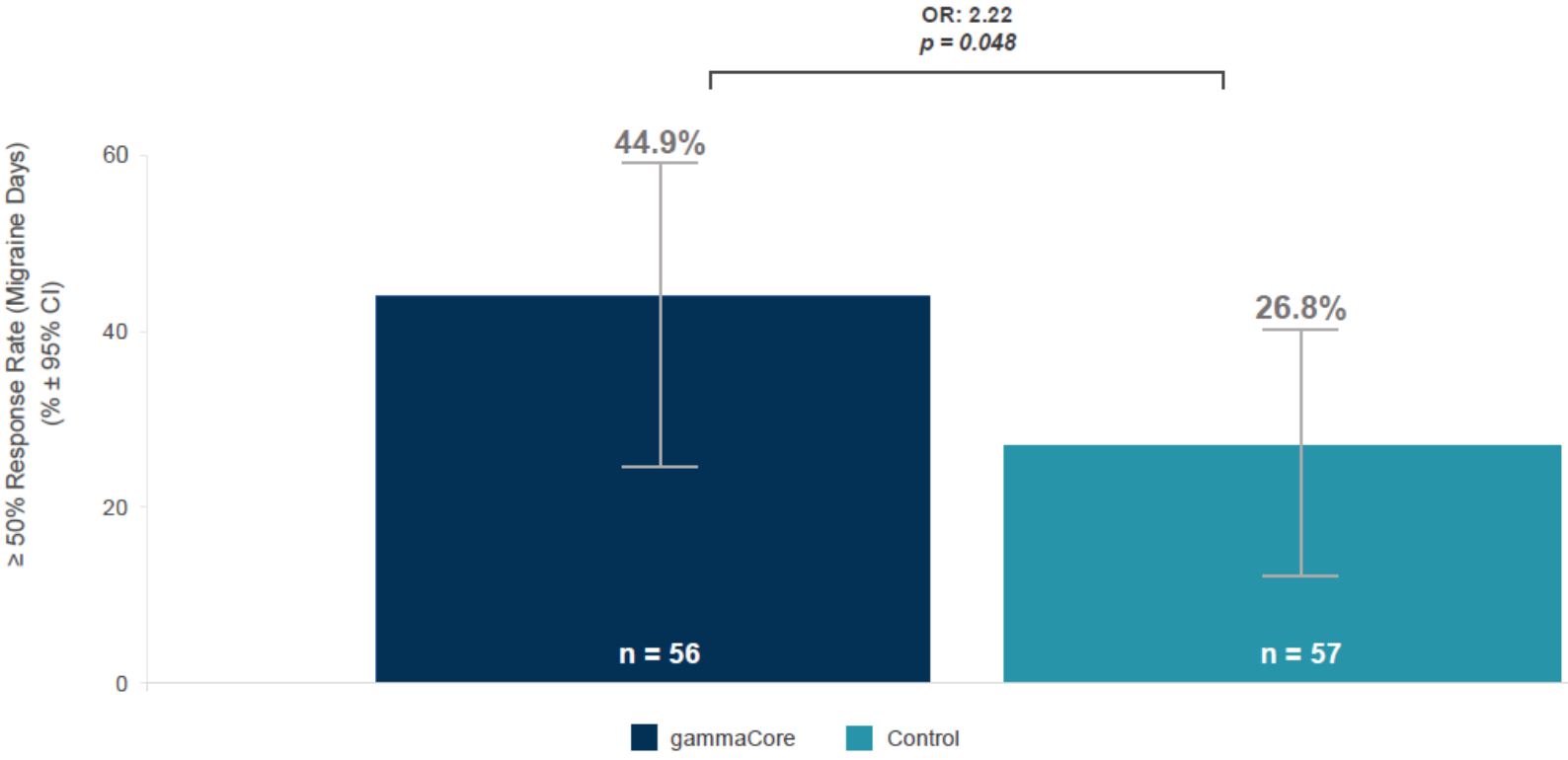
Exhibit I - ≥50% Responder Rate (Migraine Days) Premium II Trial (6)
Selection of gammaCore for NIDA-Sponsored Study in Opioid Use Disorder
The National Institute on Drug Abuse (NIDA) selected gammaCore for evaluation in randomized controlled study (NCT04556552) for treatment of opioid use disorder in December. The study is being led by Dr. Douglas Bremner at Emory University in collaboration with Georgia Institute of Technology and City University of New York. The trial is supported by the National Institute on Drug Abuse (NIDA). The study is targeting enrollment of 40 subjects with confirmed opioid use disorder (OUD) based on DSM-5 criteria from the greater Atlanta metropolitan area. The subjects will be split into two groups. Each group will randomize subjects into nVNS treated and sham at 1:1. The objective of the study is to assess the ability and potential mechanisms of nVNS to decrease opioid cravings in subjects with history of opioid use disorder. According to the Substance Abuse and Mental Health Services Administration (SAMHSA), over 100,000 people in the Atlanta area engage in non-medical use of prescription pain relievers and half are thought to have an opioid use disorder. OUD, also called opioid abuse or dependence, is prevalent. nVNS may ameliorate the craving sensation in opioid addiction. Health and Human Services guidance suggests nVNS as an alternative to opioids in primary headache.
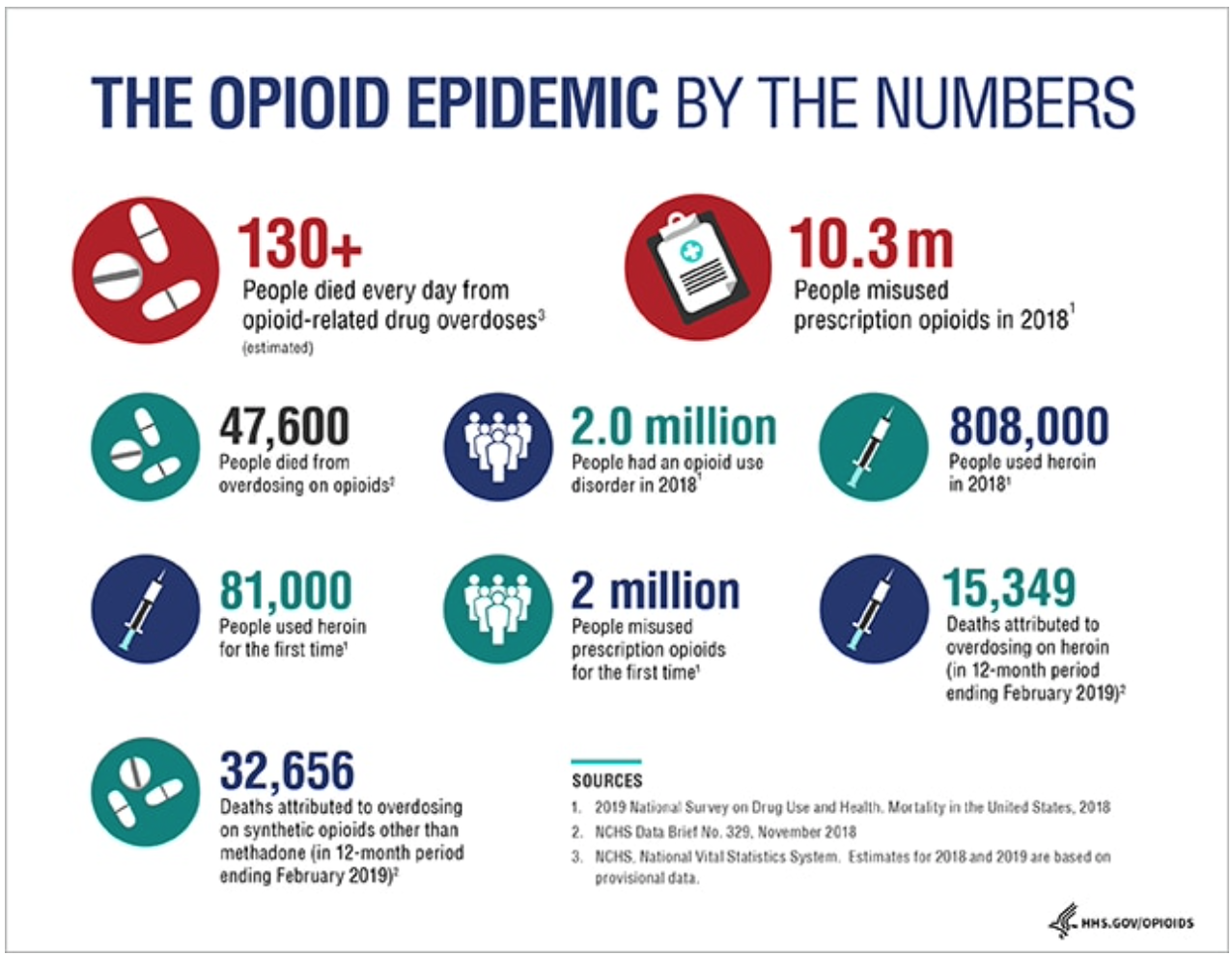
Exhibit II - Opioid Epidemic Statistics (7)
Presentation at 13th Annual LD Micro Main Event Conference
electroCore’s Chief Executive Officer, Dan Goldberger, presented the company at LD Micro’s 13th Annual Main Event conference, replay for which can be found here. Mr. Goldberger began the presentation by giving background to the firm, including financial information regarding its market capitalization and most recently reported cash position, as well as offering revenue guidance of $3.3-$3.5 million for the fiscal year and financial runway of a year and a half or more, as electroCore approaches a tipping point in terms of cashflow. Mr. Goldberger then described the company’s lead product, gammaCore, and its primary indications in prophylactic and acute treatment of cluster headache and migraine. Quarterly sales for the company, with the exception of 2Q:20 have grown consistently as measured by paid months of therapy per quarter.
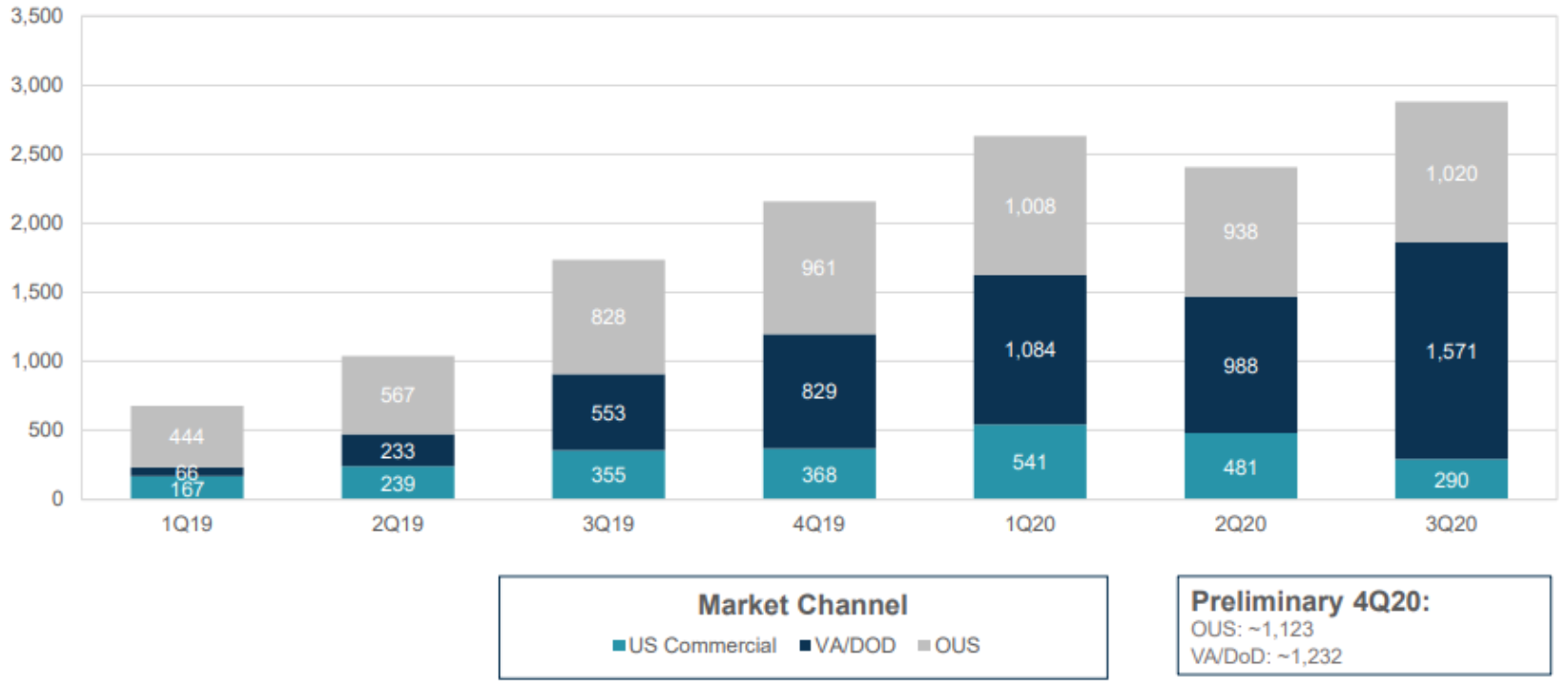
Exhibit III - electroCore Paid Months of Therapy by Quarter (8)
In addition to cluster headache and migraine, Mr. Goldberger offered additional potential label extensions for the device, as the vagus nerve has implications in many physiological systems. He reminded viewers of the Emergency Use Authorization (EUA) granted by the FDA to gammaCore Sapphire CV for asthma exacerbations in known or suspected COVID-19 patients. Despite the EUA, only limited and temporary benefit is expected in this indication. Mr. Goldberger highlighted upcoming milestones and operational improvements arising from sales into the VA/DoD and NHS, and the restructuring of the commercial channel. The prepared presentation was followed by Q&A from panelists.
Corporate Milestones
electroCore has multiple approved indications and is currently pursuing additional ones with active studies in respiratory symptoms in COVID patients, stroke, post-traumatic conditions, traumatic brain injury and others which are at varying stages of advancement. Below we list recent milestones and anticipated future events.
‣ Commercial Launch of gammaCore for
◦ Acute treatment of episodic cluster headaches – 3Q:18
◦ Acute treatment of migraine – 3Q:18
◦ Prophylactic treatment of cluster headache – 1Q:19
◦ Prophylactic treatment of migraine – 1Q:20
◦ Emergency Use for respiratory distress in COVID-19 – 3Q:20
‣ Continue enrollment in COVID-19 (Savior) trials – 4Q:20
‣ Clinical publications for PTSD, PTH & TBI – 4Q:20/1Q:21
‣ Premium II data readout – 4Q:20/1Q:21
‣ Savior 1 & 2 data readout – 1Q:21/2Q:21
‣ EU stroke data – 1Q:21/2Q:21
‣ Distribution partner announcements outside US – 3Q:21/4Q:21
Valuation
electroCore has enjoyed success on numerous fronts over the last few months for new indications, expanded access and distribution supported by strong results in 2020, despite the impacts of the pandemic. We update our model to reflect updated guidance and increase future growth rates to acknowledge the numerous irons electroCore has in the fire which we expect will play out over the next few years. We increase 2021 growth by several hundred basis points in order to capture new international opportunities and probability-adjusted penetration into new indications.
To determine our valuation, we continue to discount our 2026 valuation to present using a 20% rate. 2026 EPS is estimated at $0.60 per share based on our updated forecasts, to which we apply a 20x P/E multiple. When we bring this to present it yields a valuation of approximately $4.50 per share.
Summary
electroCore has impressed us with its broad array of opportunities that either the company or investigator-led activity is pursuing. A study in Turkey, examining the benefit of gammaCore in stroke patients, two studies in the United States and Spain investigating the benefits of gammaCore in COVID patients and other studies that are reviewing efficacy of the stimulation device in opioid use disorder and to reduce ileus following colorectal surgery are all underway and funded by entities outside of electroCore. Success has also come in the British Isles with the the Innovation Technology Program Award which is now transitioning to the more predictable MedTech Funding Mandate and a recommendation by Health Improvement Scotland for the NHS to use gammaCore for cluster headache in Scotland. Distribution is also advancing sales efforts with new arrangements signed with Pro Medical Baltic for activities in Eastern Europe and with RSK Medical in Canada.
Updated guidance calls for over 40% growth in 2020 and better than expected cash burn of around ($3.7) million. electroCore has many factors in its favor, making increased inroads into multiple areas. Additional indications are also longer term opportunities such as those in respiratory distress, traumatic headache, mild traumatic brain injury, PTSD, stroke and inflammatory diseases. The incremental positive that have emerged support our valuation increase to $4.50 per share.
SUBSCRIBE TO ZACKS SMALL CAP RESEARCH to receive our articles and reports emailed directly to you each morning. Please visit our website for additional information on Zacks SCR.
DISCLOSURE: Zacks SCR has received compensation from the issuer directly, from an investment manager, or from an investor relations consulting firm, engaged by the issuer, for providing research coverage for a period of no less than one year. Research articles, as seen here, are part of the service Zacks provides and Zacks receives quarterly payments totaling a maximum fee of $40,000 annually for these services. Full Disclaimer HERE.
________________________
1. Ileus: Causes, Symptoms, Diagnosis, Treatment, & Outlook (webmd.com)
2. Mao H. Milne TGE. O'Grady G. Vather R. Edlin R. et al. Prolonged Postoperative Ileus Significantly Increases the Cost of Inpatient Stay for Patients Undergoing Elective Colorectal Surgery: Results of a Multivariate Analysis of Prospective Data at a Single Institution. Dis Colon Rectum. 2019;62:631-637. de Jonge WJ. van der Zanden EP. The FO. Bijlsma MF. van Westerloo DJ. et al. Stimulation of the vagus nerve attenuates macrophage activation by activating the Jak2-STAT3 signaling pathway. Nat Immunol 2005;6:844-851.
3. Harnsberger CR, Maykel JA, Alavi K. Postoperative Ileus. Clin Colon Rectal Surg. 2019 May;32(3):166-170. doi: 10.1055/s-0038-1677003. Epub 2019 Apr 2. PMID: 31061645; PMCID: PMC6494613.
4. Stroke - Symptoms and causes - Mayo Clinic
5. Ay I, Nasser R, Simon B, Ay H. Transcutaneous Cervical Vagus Nerve Stimulation Ameliorates Acute Ischemic Injury in Rats. Brain Stimul. 2016 Mar-Apr;9(2):166-73. doi: 10.1016/j.brs.2015.11.008. Epub 2015 Dec 1. PMID: 26723020; PMCID: PMC4789082.
6. Source: electroCore January 2021 corporate presentation.
7. About the Epidemic | HHS.gov; accessed February 10, 2021.
8. electroCore Corporate Presentation January 2021