By John Vandermosten, CFA
NASDAQ:KTRA
In January, Kintara Therapeutics (NASDAQ:KTRA) announced the start of patient recruitment in the Global Coalition for Adaptive Research (GCAR) registrational Phase II/III clinical trial for glioblastoma multiforme (GBM). Kintara’s candidate, VAL-083, will be considered in three subpopulations: newly-diagnosed methylated O6-methylguanine-DNA methyltransferase (MGMT) GBM, newly-diagnosed unmethylated MGMT GBM and recurrent GBM.
In the January press release, Kintara announced that GCAR would be adding an additional active arm to VAL-083’s study in newly-diagnosed methylated GBM patients, complementing the existing arms investigating newly-diagnosed unmethylated and recurrent GBM. We had hypothesized this eventuality in our initiation, highlighting the benefits of the adaptive nature of the GCAR structure, which allows for multiple subtypes of GBM to be evaluated. Methylated GBM patients see some benefit from the current standard-of-care temozolomide (TMZ) and may be better served by VAL-083.
Kintara is completing multiple Phase II trials for VAL-083 to treat brain cancer, one of the most difficult malignancies to address. Interim data that we reviewed in our recent update shows activity against GBM tumors compared to first line standard-of-care TMZ in a difficult to treat patient subpopulation. VAL-083 has several features that make it particularly appropriate for GBM, including its ability to cross the blood brain barrier and its mechanism of action which introduces irreversible DNA crosslinks which are not easily overcome by MGMT repair enzymes.
While VAL-083 offers a mechanism of action that is agnostic of MGMT expression and is efficacious in the treatment-resistant GBM population (MGMT-unmethylated), we explore VAL-083’s potential in the MGMT-methylated population. MGMT is a repair enzyme that can counteract the intentional genetic damage induced by chemotherapy agents, and is expressed when the DNA promoter is unmethylated. When the DNA is methylated, the repair enzyme is not expressed, allowing common chemotherapies such as TMZ to effectively damage the tumor cells, leading to apoptosis. This makes the tumor easier to treat and blocks a DNA repair pathway in GBM cells. While this GBM patient subpopulation is served, albeit imperfectly, by TMZ, VAL-083 has not been clinically evaluated in the MGMT-methylated population where it may provide an alternative to TMZ.
The addition of the MGMT-methylated population to the GCAR trial opens up an additional opportunity for Kintara. Of the estimated 11 to 12 thousand GBM cases per year in each of the US and Western Europe markets, the methylated population comprises about 40% of the total, compared with the other 60% which is the unmethylated population. We think that Kintara could gain market share in this segment if trial results are favorable, although it will be at a lower level than the unmethylated market, where TMZ is ineffective. The probability of success for the methylated market is smaller as VAL-083 will have to demonstrate that it is better than TMZ; however, the addition of the methylated arm to GCAR is a positive that we will revisit when there is more data supporting its superiority to standard of care in this group.
VAL-083
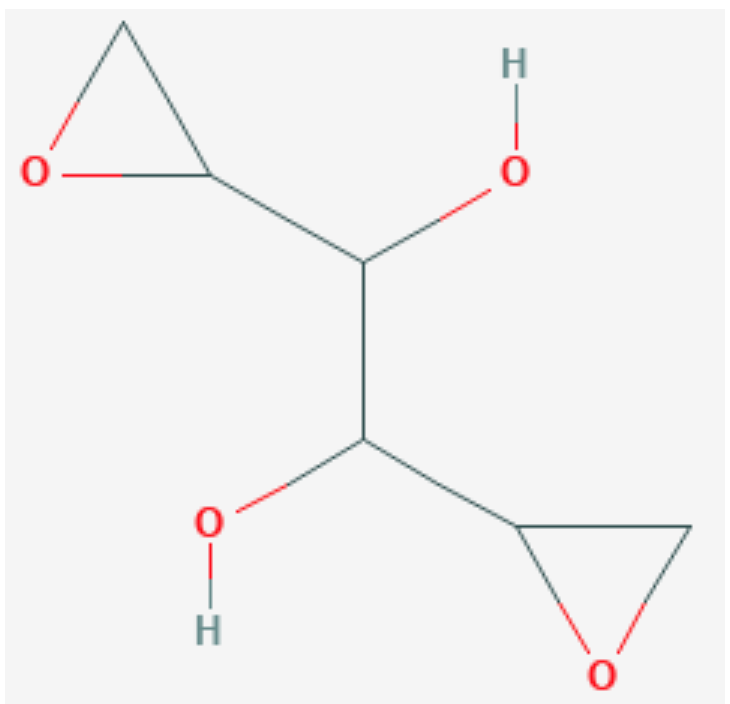
Exhibit I – Chemical Structure of Chemotherapy Dianhydrogalactitol (VAL-083) (1)
VAL-083, also known as dianhydrogalactitol, is a DNA damaging, alkylating chemo-therapeutic agent that was first developed by the NCI in the 1970s (2). The drug is approved in China for treatment of chronic myeloid leukemia and lung cancer. The compound is a bifunctional DNA-targeting agent causing N7-guanine alkylation (3) and interstrand DNA crosslinks. The crosslinks induce DNA double strand breaks which inhibits cancer cell proliferation. VAL-083 induces cytotoxicity when cells advance to the S-phase with unrepaired N7-guanine DNA crosslinks. The crosslink damage causes replication-dependent DNA double-strand breaks that prevent repair, resulting in apoptosis (4). The agent is able to overcome MGMT-mediated drug resistance and has shown the ability to kill MGMT-unmethylated GBM cell lines and cancer stem cells in vivo. It maintains cytotoxic activity in mismatch repair deficient cancer cells providing an alternative for treatment-resistant cancers reliant on TMZ and nitrosoureas. The drug also works well with other approaches including poly ADP ribose polymerase (PARP) and topoisomerase inhibitors as well as acting as a radiosensitizer in GBM.
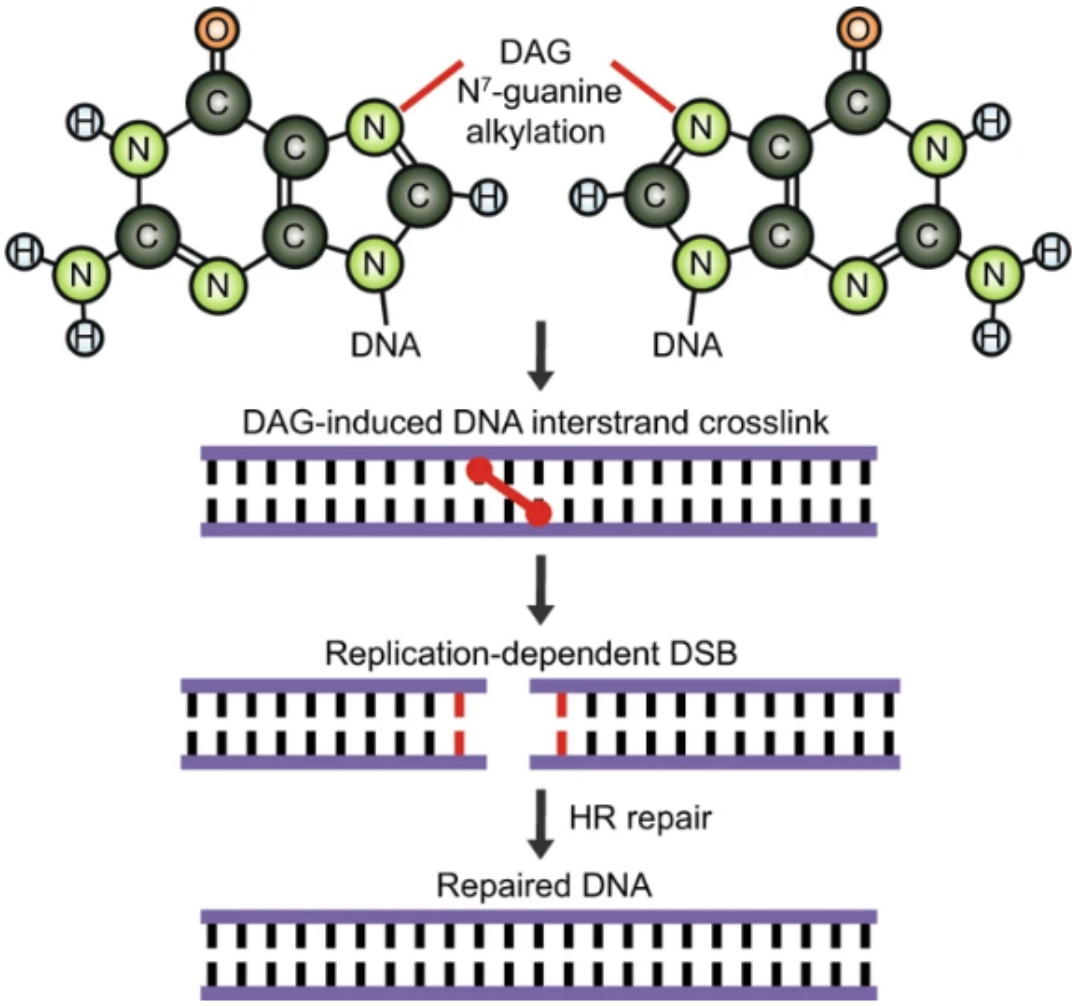
Exhibit II – VAL-083 Mechanism of Action (5)
VAL-083 is water soluble and is able to cross the blood brain barrier. This ability has elevated VAL-083 into a group of chemotherapeutic agents that can treat one of the most difficult cancers. In preclinical and clinical studies, VAL-083 has also shown beneficial effects in other tumor types including non-small cell lung cancer (NSCLC), ovarian cancer, leukemia and cervical cancer. It has also displayed synergy with topoisomerase inhibitors (6) and activates the homologous recombination (HR) pathway in GBM and prostate cancer cells, supporting its use as a combination agent.
Glioblastoma Multiforme (GBM)
Glioblastoma multiforme (GBM), also known as a grade IV astrocytoma, is a rare disease but a common type of brain cancer that is hard to treat and notoriously fatal. The cancer is only recognized as grade IV, a classification for very aggressive tumors, and most diagnosed patients die within a year. GBM is difficult to treat because the tumor cells are resistant to standard therapies and many drugs have difficulty crossing the blood brain barrier. The brain is susceptible to damage from surgery and other standard of care and only has limited repair capacity, preventing a wide surgical margin from being used during tumor removal. Response to certain treatments can be somewhat predicted by the subtype of GBM.
GBM Subtypes
There are four molecular subtypes of GBM. Verhaak et al. identified these as Proneural, Neural, Classical and Mesenchymal (7). They characterized GBM subtypes based on genetic mutations, with particular focus on four specific genes: EGFR, NF1, PDGFRA and IDH1.
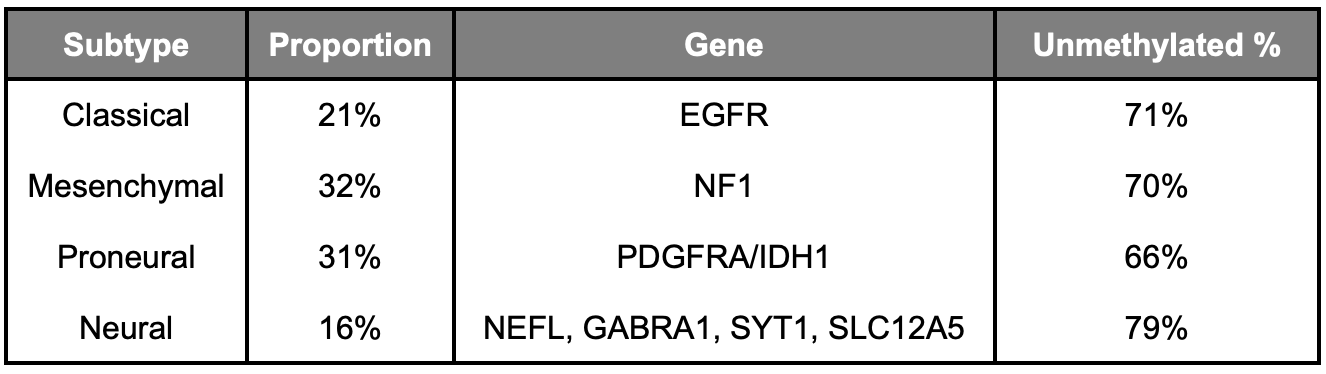
Exhibit III - GBM Subtypes, Mutations and Methylation Status (8)
Methylation status appeared not to vary with subtype, but treatment efficacy varied amongst subtypes. Classical and Mesenchymal subtypes appear to respond to aggressive treatment, defined as concurrent chemo- and radiation therapy or more than three subsequent cycles of chemotherapy, while response was suggested in Neural subtype, and was least apparent in the Proneural subtype. Methylation status across the subtypes trended towards the majority being unmethylated (treatment resistant). Though the sample was not intended to make judgements about a broader population, the percentage of a representative core of GBM patients with unmethylated MGMT promoters was ~72%, not significantly out of line with estimates elsewhere of between 50%-66% (9, 10).
Symptoms and Standard of Care
The first signs of GBM may be headaches, seizures, vomiting, vision problems, changes in personality and difficulty speaking. After signs are identified and a condition is suspected, a neurological assessment is given to the patient that examines vision, hearing, balance, coordination, strength and reflexes to narrow down the cause. Next steps include an MRI or CT scan to identify the tumor and a biopsy may also be performed. Standard of care treatment for GBM includes surgery to remove as much of the tumor as possible followed by radiation and chemotherapy, frequently using TMZ or carmustine and lomustine. Due to the low survival rate, which is about 40% at one year, and lack of effective therapies, the FDA is more accepting of developmental approaches with novel mechanisms of action and is likely to confer expedited status to promising therapeutic candidates.

Exhibit V – Brain Cancer Classifications (11)
Molecular Markers
There are several biomarkers that are identified for GBM that are relevant for providing tailored therapy. GBM tumors are heterogeneous and a variety of markers can enlighten the diagnosis and prognosis of the disease and determine the treatment pathway. The primary marker is methylation status of the gene promoter for MGMT. Others include isocitrate dehydrogenase enzyme 1/2 (IDH1/2) mutation, epidermal growth factor receptor (EGFR) overexpression and amplification, glioma-CpG island methylator phenotype (G-CIMP), tumor protein (TP53) mutation and genetic losses of chromosomes.
Methylation Status
An important biomarker for GBM is the promoter methylation status of the tumor cells. Methylated MGMT promoter DNA blocks the gene expression of MGMT, an enzyme that can repair certain types of DNA damage. The enzyme is important for fixing strand breaks in normal cells; however, in cancer cells, MGMT can repair intentional DNA damage done by certain types of chemotherapy. If a patient is MGMT-methylated, the DNA-repair enzyme MGMT will not be produced, chemotherapy can be allowed to work and the patient will show a better response to standard of care approaches such as TMZ and radiation, as promoter methylation blocks expression of the MGMT-mediated DNA repair enzyme. If a patient is MGMT-unmethylated, the MGMT enzyme is expressed and cancer cells intrinsically or rapidly develop resistance to chemotherapy. MGMT-unmethylated status is considered an indicator for GBM patients with a particularly poor prognosis. MGMT promoter methylation conveys prolonged survival compared to tumors without methylation. Patients that are MGMT promoter methylated have a worse prognosis but are still prescribed TMZ due to a lack of alternatives. Approximately half to two thirds of GBM cases are classified as unmethylated, meaning a minority of GBM patients are MGMT-methylated (12).
Incidence, Prevalence and Survival
GBM is a rare disease. According to the National Institutes of Health (NIH), it occurs in approximately two to three individuals per 100,000 per year and accounts for 52% of primary brain tumors. The Brain Tumor Registry of Canada finds that four of 100,000 Canadian residents are diagnosed with GBM. The estimated 23,890 (13) cases of brain cancer according to the American Cancer Society (ACS) suggest ~12,000 cases of GBM in the US per year. The American Association of Neurological Surgeons estimates that 11,000 individuals are diagnosed with GBM each year and 23,000 present with the disease. Independent sources provide several ranges for median survival. Some sources cite 15 months (14), while others find 12 to 15 months in their research (15) and yet others from 15 to 16 months (16). The Cancer Research Institute notes that only a quarter of patients survive for 24 months and less than 10% survive more than five years. Chapter 8 of Glioblastoma (17), Epidemiology and Outcome of Glioblastoma, notes an incidence rate of 3.19 per 100,000 persons in the US.
Clinical Evaluation
Kintara has not evaluated VAL-083 in MGMT-methylated patients, and is primarily evaluating VAL-083 in MGMT-unmethylated patients in clinical trials. However, GCAR’s Glioblastoma Adaptive Global Innovative Learning Environment (GBM-AGILE) trial will evaluate VAL-083 in both MGMT-methylated and MGMT-unmethylated patients, potentially providing insight into the candidate’s efficacy in MGMT-methylated patients.
GCAR AGILE
In a June 4, 2020 release, Kintara (then operating as DelMar) announced that it had been selected to participate in the GCAR GBM AGILE pivotal study. GCAR is an international partnership including some of the world's leading clinical, translational, and basic science investigators. The GMB trial now includes Kazia Therapeutics’ (KZIA) paxalisib and Bayer’s (BAYRY) regorafenib in addition to Kintara’s VAL-083.
GCAR is working on development projects in GBM to advance effective therapies in promising biomarker defined populations. GBM AGILE is uniquely designed as a long-standing platform which will evaluate multiple investigational therapies for newly diagnosed or recurrent GBM to determine if new treatments are an improvement over standard of care. Unlike traditional trials that evaluate one therapy at a time, GBM AGILE may test several therapies or treatment arms simultaneously. The organization has invited Bayer to also participate in the trial with its multikinase inhibitor regorafenib. One of the key benefits of the structure is a shared control arm that has already started enrolling. Not only will this reduce the number of additional subjects needed when Kintara begins enrolling, it will also allow them to share the cost of the arm with other programs. Currently there are 24 US sites enrolling patients and more sites in the EU, Canada and China are expected to be added in 2H:20. Another important benefit of the structure is that new treatment arms can be quickly added and evaluated at any time, while under-performing drugs are dropped from the trial. GCAR selected GBM as a target indication due to the high death rate and lack of other effective therapies. The trial design is a seamless Phase II (Efficacy and Safety) / Phase III (Confirmatory) trial that can provide pivotal data for approval.
Participation in the program benefits Kintara as it includes industry-recognized luminaries in the GBM oncology space. The FDA has cleared the trial design and has provided a letter of support to GCAR and trial sites are already enrolling. This saves months of time, effort and cost for Kintara and provides an independent affirmation of VAL-083. The adaptive trial design is another plus that can expand the target population appropriate for VAL-083.
Kintara anticipates that the first part of the trial will enroll 100 to 150 patients in three GBM subtypes: newly diagnosed methylated, newly diagnosed unmethylated and recurrent. The cost for Part I is estimated to be approximately $15 million. Upon a successful signal, the adaptive trial will then move into the second part which will extend the enrollment of Part I and add 50 additional patients. Cost for Part II is estimated to be $10 million.
Summary
Kintara’s VAL-083 candidate is poised to make a great impact in GBM patients that are treatment resistant, a population that comprises greater than half of the total GBM population. VAL-083 may also acquire market share in the MGMT-methylated population as well, although its efficacy in that population is only now being evaluated in the GCAR AGILE trial. We will update our assessment of success in the methylated population based on additional data for VAL-083 provided in this population.
SUBSCRIBE TO ZACKS SMALL CAP RESEARCH to receive our articles and reports emailed directly to you each morning. Please visit our website for additional information on Zacks SCR.
DISCLOSURE: Zacks SCR has received compensation from the issuer directly, from an investment manager, or from an investor relations consulting firm, engaged by the issuer, for providing research coverage for a period of no less than one year. Research articles, as seen here, are part of the service Zacks provides and Zacks receives quarterly payments totaling a maximum fee of $40,000 annually for these services. Full Disclaimer HERE.
________________________
1. Source: PubChem, NIH National Library of Medicine, National Center for Biotechnology Information. Accessed February 8, 2021.
2. Perry, M.C., et al. Phase II Studies of Dianhydrogalactitol and VP-16-213 in Colorectal Cancer. Cancer Treat Rep 60:1247-1250, 1976.
3. Alkylation of DNA is used in chemotherapy to damage the DNA of cancer cells.
4. Zhai, B., et al. Dianhydrogalactitol induces replication-dependent DNA damage in tumor cells preferentially resolved by homologous recombination. Cell Death & Disease volume 9, Article number: 1016 (2018)
5. Zhai, B. et al. Dianhydrogalactitol induces replication-dependent DNA damage in tumor cells preferentially resolved by homologous recombination. Cell Death & Disease volume 9, Article number: 1016 (2018)
6. Zhai, B., et al. Dianhydrogalactitol (VAL-083) synergizes with topoisomerase inhibitors to overcome homologous recombination repair activity in glioblastoma and prostate cancer cells. AACR, June 2020.
7. Verhaak, R. G., Hoadley, K. A., Purdom, E., Wang, V., Qi, Y., Wilkerson, M. D., Miller, C. R., Ding, L., Golub, T., Mesirov, J. P., Alexe, G., Lawrence, M., O'Kelly, M., Tamayo, P., Weir, B. A., Gabriel, S., Winckler, W., Gupta, S., Jakkula, L., Feiler, H. S., … Cancer Genome Atlas Research Network (2010). Integrated genomic analysis identifies clinically relevant subtypes of glioblastoma characterized by abnormalities in PDGFRA, IDH1, EGFR, and NF1. Cancer cell, 17(1), 98–110. https://doi.org/10.1016/j.ccr.2009.12.020
8. Verhaak, R. G., Hoadley, K. A., Purdom, E., Wang, V., Qi, Y., Wilkerson, M. D., Miller, C. R., Ding, L., Golub, T., Mesirov, J. P., Alexe, G., Lawrence, M., O'Kelly, M., Tamayo, P., Weir, B. A., Gabriel, S., Winckler, W., Gupta, S., Jakkula, L., Feiler, H. S.. Cancer Genome Atlas Research Network (2010). Integrated genomic analysis identifies clinically relevant subtypes of glioblastoma characterized by abnormalities in PDGFRA, IDH1, EGFR, and NF1. Cancer cell, 17(1), 98–110. https://doi.org/10.1016/j.ccr.2009.12.020
9. Mellai M, Monzeglio O, Piazzi A, Caldera V, Annovazzi L, Cassoni P, et al. MGMT promoter hypermethylation and its associations with genetic alterations in a series of 350 brain tumors. J Neurooncol 2012;107:617–31.
10. MGMT Promoter Methylation in Glioma | OncologyPRO (esmo.org)
11. Shergalis, A., et al. Current Challenges and Opportunities in Treating Glioblastoma. Pharmacol Rev. 2018 Jul; 70(3): 412–445.
12. Mellai M, Monzeglio O, Piazzi A, Caldera V, Annovazzi L, Cassoni P, et al. MGMT promoter hypermethylation and its associations with genetic alterations in a series of 350 brain tumors. J Neurooncol 2012;107:617–31.
13. American Cancer Society, Cancer Facts and Figures 2020.
14. Koshy M, Villano JL, Dolecek TA, Howard A, Mahmood U, Chmura SJ, et al. Improved survival time trends of glioblastoma using the SEER 17 population-based registries. J Neuro Oncol. 2012;107(1):207–12.
15. Alexander BM, Cloughesy TF. Adult glioblastoma. J Clin Oncol. (2017) 35:2402–9. doi: 10.1200/jco.2017.73.0119
16. Bi, W.L., Beroukhim, R. Beating the odds: extreme long-term survival with glioblastoma. Neuro Oncol. 2014 Sep; 16(9): 1159–1160. doi: 10.1093/neuonc/nou166
17. Tamimi, A.F., Juweid, M. Glioblastoma. Brisbane (AU): Codon Publications; 2017 Sep 27.