By John Vandermosten, CFA
NYSE:AZTR
Azitra, Inc. (NYSE:AZTR) is a clinical stage precision dermatology company developing candidates for a variety of rare and serious skin diseases. It is developing genetically engineered bacteria for therapeutic use in dermatology leveraging a microbial library of 1,500 unique bacterial strains that are candidates for a variety of indications.
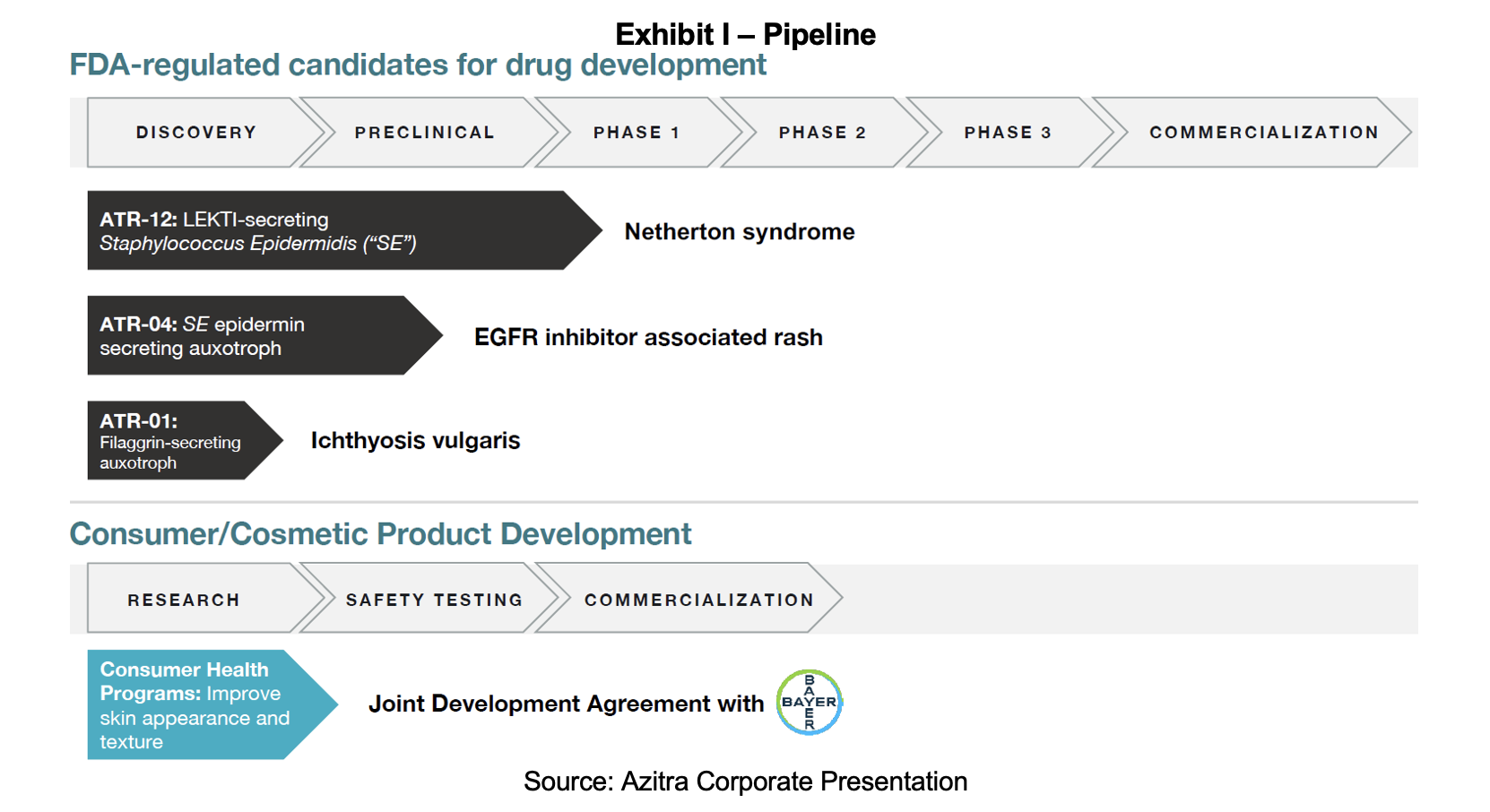
Azitra’s lead candidate is ATR-12 for Netherton Syndrome (NS), a rare disease. A second candidate is ATR-04 targeting epidermal growth factor receptor inhibitor (EGFRi)-associated rash and a third, ATR-01, ichthyosis vulgaris. All are topically formulated. Preclinical work has shown effective and safe use of ATR-12 as a potentially disease modifying therapy able to colonize the skin and replace a missing protein. An IND has been cleared for ATR-12 and a Phase I study has started. An IND is expected for ATR-04 by year end 2024. Outside of its pipeline, the company has signed a Joint Development Agreement with Bayer Consumer Care AG for consumer health candidates.
We have developed this note to provide background on Azitra and the space in which it operates: Precision Dermatology. We introduce the subject to investors and review the skin microbiome, which is critical to skin health. The most common bacteria on the skin, Staphylococcus epidermidis, is also the vehicle that Azitra uses to deliver many of its therapeutic proteins. We encourage readers and investors to review this note along with our other introductions to Azitra entitled Netherton Syndrome Review and ATR-12 Clinical Trial and Pipeline Review.
Precision Dermatology
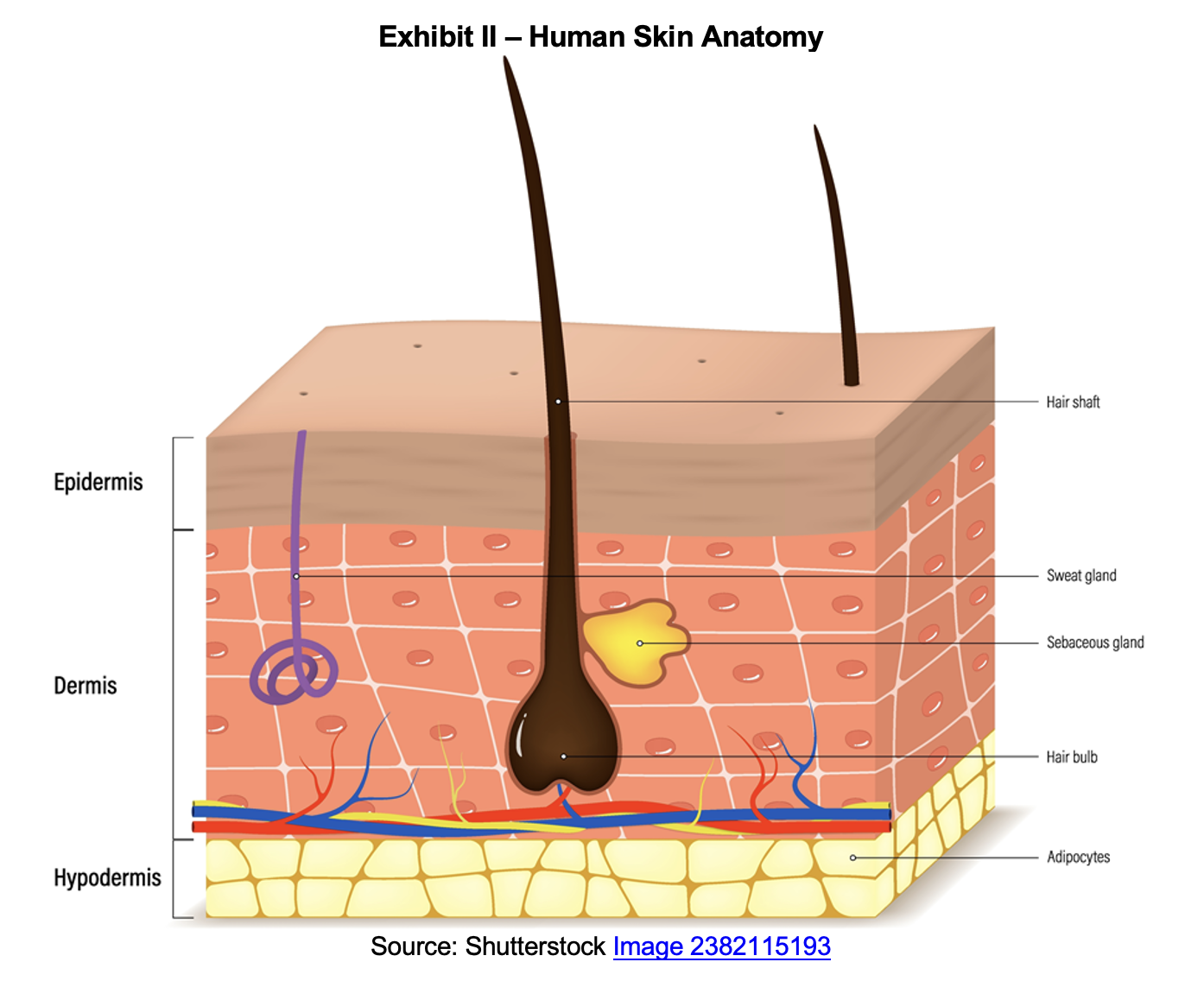
The primary focus of dermatology is the diagnosis and treatment of conditions affecting the skin, hair and nails. The skin is the outer tissue of the body and its largest organ. It is comprised of three layers, the epidermis, dermis and hypodermis, which vary significantly in structure and function. Skin serves as a barrier to pathogens and microorganisms, prevents mechanical and chemical trauma and protects from ultraviolet light damage. It provides benefits to the organism it covers including regulation of body temperature, storage of water and fat, sensory function and contribution to vitamin D production.
Precision dermatology is personalized medicine in dermatology providing tailored treatment and management strategies for skin conditions based on an individual’s unique characteristics. Genetic makeup, molecular profile, environmental exposure and microbiome are assessed to match the right drug with the right patient. Some of the key features of precision dermatology include genetic testing and molecular analysis to profile a patient, a personalized risk assessment as well as the use of targeted therapy and customized treatment plans. Predictive biomarkers are used to identify which therapies might work best and monitoring biomarkers are relied on to measure progress. Data is another important element of the precision dermatology field; it is often analyzed using artificial intelligence and machine learning to better interpret vast volumes of information. In terms of applications, over 800 rare, genetic skin diseases have been identified affecting almost seven million individuals,1 highlighting the scope of the field.
Skin Microbiome
The skin is colonized by diverse communities of microorganisms including bacteria, viruses, fungi and mites which comprise the microbiome. The environment of the skin is harsh for microorganisms and varies widely from one area to another. From the moist areas under the arms to the oily surface of the face and scalp to the dry regions on the arms hands and lower legs, different communities of microbiota exist.2
Humans evolved with microbes. As we age and are exposed to different environments, the microbiome expands, evolves and matures. Exposure to medicines, diet, infection, hormones and toxic substances all affect its development and evolution. The immune system has evolved closely with resident microorganisms in the skin to cooperate in the elimination of possible pathogens. Success in this endeavor requires effective communication between the microbial system and the immune system.
Some of the more common bacteria that populate the surface of the skin include Staphylococcus epidermidis, a beneficial resident, and Cutibacterium acnes (formerly known as Propionibacterium acnes) which can both hinder and contribute to acne in some individuals. Corynebacterium, Streptococcus and Pseudomonas are other skin flora that are commonly found.3
Interactions between members of the microbiota both shape the resident microbial community and prevent colonization by pathogenic bacteria in a principle called colonization resistance. The commensal bacteria can, in some cases, become pathogenic and cause many common skin diseases and dysbiosis. Some of these include acne, eczema and chronic wounds. Both rare and common skin disorders are thought to have underlying contributions from microbes.
Skin commensals are essential for a healthy immune system and prepare it to respond to future pathogen exposure. After birth, the immune system allows microbial colonization as inflammatory responses have not yet developed. This tolerance is dependent on regulatory T cells, along with hair follicle changes and colonization of the skin with microbes.
Commensal Bacteria
Commensal bacteria are microorganisms that live in a mutually beneficial or non-harmful relationship with their host organism. These bacteria are part of the normal microbiota or microflora found on or within the host's body and do not cause harm or disease to their host under normal circumstances. Commensals often provide benefits such as aiding in digestion, producing vitamins or preventing the colonization of pathogenic bacteria. These symbiotes coexist with the host and its other microorganisms, forming a complex and dynamic ecosystem within the host's body and vary in composition depending on the environment. Some of the most common skin commensals include Staphylococcus epidermidis and Cutibacterium acnes which can help prevent the colonization of pathogenic microorganisms. Staphylococcus epidermidis in particular flourishes in moist areas such as the armpit, groin, and between the toes.
Commensal bacteria are generally beneficial or harmless to the host, but their relationship can become dysbiotic under certain circumstances as a result of antibiotic treatment, dietary changes, breach in the skin barrier or host immune system disturbances. This dysbiosis can sometimes lead to the overgrowth of opportunistic pathogens or the development of certain diseases.
Live Biotherapeutic Products
The microbiome provides a rich population of microbes that offer therapeutic features. This is an area of research which has recently expanded with work in such broad areas as probiotics, fecal microbiota transplantation and bacteriophages among others. Antibiotic treatments are commonly used to treat infections, but can lead to unintended consequences such as antibiotic resistance, allergic reaction or disruption of the existing commensal microbiome. An area of research focused on live biotherapeutic products (LBPs) and their engineered variants may treat disease and also sidestep the problems associated with antibiotics.
Bioengineering LBPs is an emerging field that involves the use of living organisms, such as bacteria, yeast, or engineered cells as therapeutic agents. LBPs are designed to benefit human health by delivering specific therapeutic molecules, modulating the host's immune system or restoring normal microbial balance in the body. LBPs can establish the equilibrium of a healthy microbiome and improve wellness.
The development of LBPs involves various bioengineering techniques, such as genetic engineering, synthetic biology, cell culture and bioprocessing. These techniques are used to modify the organisms or cells to produce desired therapeutic effects, enhance their stability, or improve their delivery and targeting capabilities. These products are differentiated from alternatives in that they can:
➢ Specifically target specific tissues or organs, minimizing off-target effects;
➢ Provide continuous therapy as LBPs can colonize or persist in the body;
➢ Be engineered to produce multiple therapeutic molecules or perform multiple functions.
Staphylococcus Epidermidis
Staphylococcus epidermidis (SE) belongs to the Staphylococcus genus. It is a gram-positive, spherical bacterium that is typically found as part of the normal human microbiota, colonizing the skin and mucous membranes. It is generally considered a commensal organism and normally does not cause any harm to the host. However, in some uncommon cases it can be an opportunistic pathogen, causing infections in subjects with compromised immune systems or when the bacteria are introduced into normally sterile sites such as when surgery takes place or needles are used. The bacteria can contribute to hospital-acquired infections in procedures where the skin barrier is penetrated. SE may also develop antibiotic resistance which can increase the risks of infections. It is the most common aerobic resident flora on the skin found in highest prevalence in moist areas such as the axillae, inguinal creases and between the toes. It can comprise up to 90% of the total bacterial population residing on the skin.
SE provides many benefits to its host. It can promote wound healing through the production of lipoteichoic acid, which limits inflammation and it can also engage with the host’s immune system to encourage immune cells to accelerate the process. Other advantages include the competitive exclusion of pathogens and enhancement of skin barrier function. SE is a highly diverse and heterogeneous species, with strains presenting significant genetic and phenotypic variations. Research has found over 1,000 different strains of the bacteria present on human skin with a single individual hosting hundreds of variants. Some of the factors that impact the diversity of SE include age, health, geography and environmental exposure. The omnipresence of SE on the skin and the wide variety of strains that exist provide a deep well to draw from for a therapeutic candidate.
Microbial Library and Technology Platform
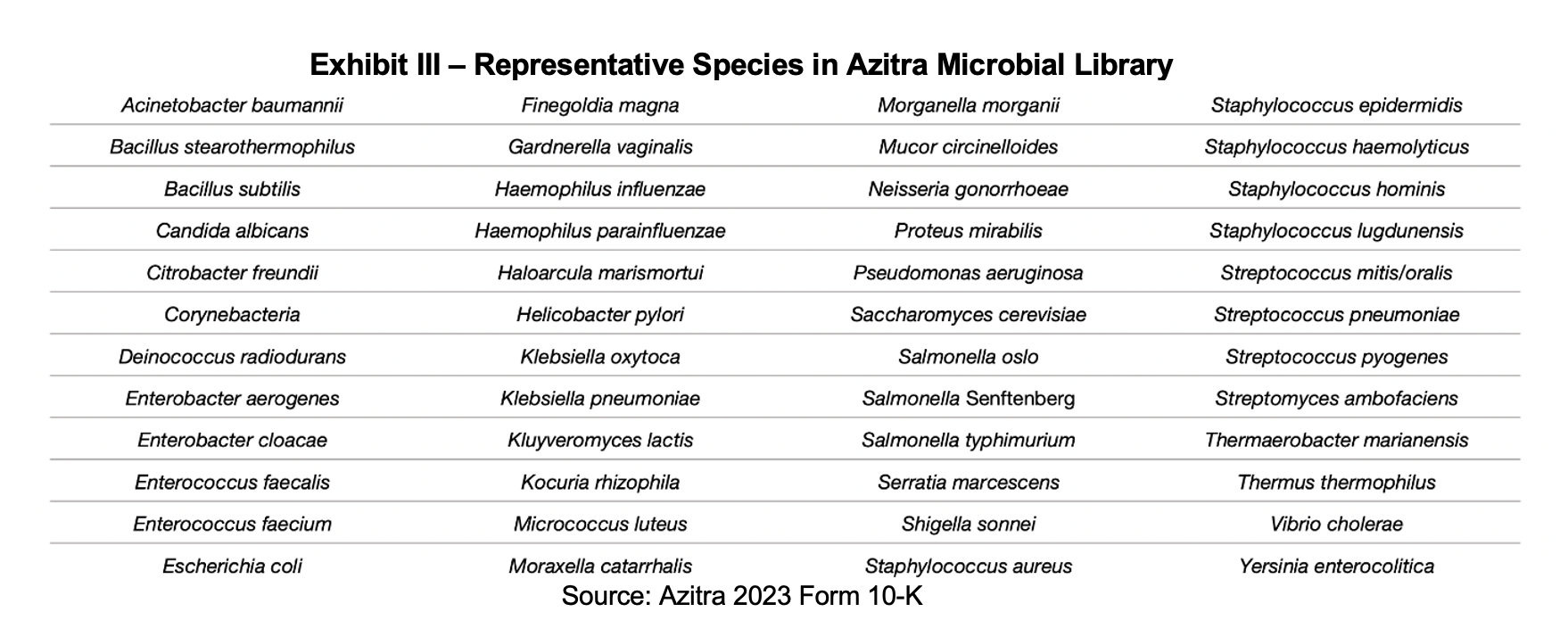
Azitra has developed a microbial library that holds approximately 1,500 unique bacterial strains that offer a variety of unique therapeutic characteristics. Leveraging the findings of Julia Oh, Ph.D. at the Jackson Laboratory, the platform developed its own library of SE that includes over 900 unique strains with potential for therapeutic use. These species may be engineered to provide therapeutic effects. The platform has been developed using artificial intelligence (AI) and machine learning (ML) software which analyzes, predicts and screens the library for strains with drug-like features. The company also uses a licensed genetic engineering technology which can modify genetically intractable strains to be auxotrophic, produce desired proteins and offer other features.
While Azitra holds over 60 microbial species in its library, its primary focus is on the development of SE which has many features amenable to a dermatological candidate. SE is considered a commensal bacterium on human skin that populates moist areas, but can also be harmful in people with compromised immune systems or if it crosses the skin barrier. In response, Azitra has engineered auxotrophy into its leading candidates. This means that the microbes have been engineered to depend on an exogenous amino acid in the drug product formulation to survive. Auxotrophy adds an additional level of safety against systemic infections for these topical drug candidates.
Azitra has developed partnerships with Carnegie Mellon University (CMU) and the Fred Hutchinson Cancer Center (Fred Hutch) that provide genome sequencing and the SyMPL technology respectively. CMU’s technology uses AI and ML to predict the molecules that specific microbes can produce based on their genetic sequences. The system compares its predictions to the microbes’ output using tandem mass spectroscopy and nuclear magnetic resonance imaging to refine future predictions. The predictions can be compared with protein databases to choose features with therapeutic potential. The Fred Hutch license uses the SyMPL technology to genetically engineer microbial species that have not previously been transformed. This reveals a new universe of over 8,000 species for discovering, developing, and commercializing microbial therapies and microbial-derived peptides for skin disease.
SUBSCRIBE TO ZACKS SMALL CAP RESEARCH to receive our articles and reports emailed directly to you each morning. Please visit our website for additional information on Zacks SCR.
DISCLOSURE: Zacks SCR has received compensation from the issuer directly, from an investment manager, or from an investor relations consulting firm, engaged by the issuer, for providing research coverage for a period of no less than one year. Research articles, as seen here, are part of the service Zacks SCR provides and Zacks SCR receives quarterly payments totaling a maximum fee of up to $40,000 annually for these services provided to or regarding the issuer. Full Disclaimer HERE.
________________________
1. Kuo, T, et al. RSDB: A rare skin disease database to link drugs with potential drug targets for rare skin diseases. Scientific Data, August 2022.
2. Schommer, N., Gallo, R. Structure and function of the human skin microbiome. Human Microbiome. 2013
3. Cogen, A. et al. Skin microbiota: a source of disease or defence? British Journal of Dermatology. 2018.